2026 Best Artificial Flowers Leaves for Global Buyers?
As the global demand for Artificial Flowers Leaves continues to rise, it is crucial to understand the trends shaping this industry. According to a recent market report by ResearchAndMarkets, the artificial flower market is projected to grow at a compound annual growth rate (CAGR) of 6.5% from 2023 to 2030. This growth highlights the increasing popularity of artificial flowers as cost-effective alternatives to fresh blooms.
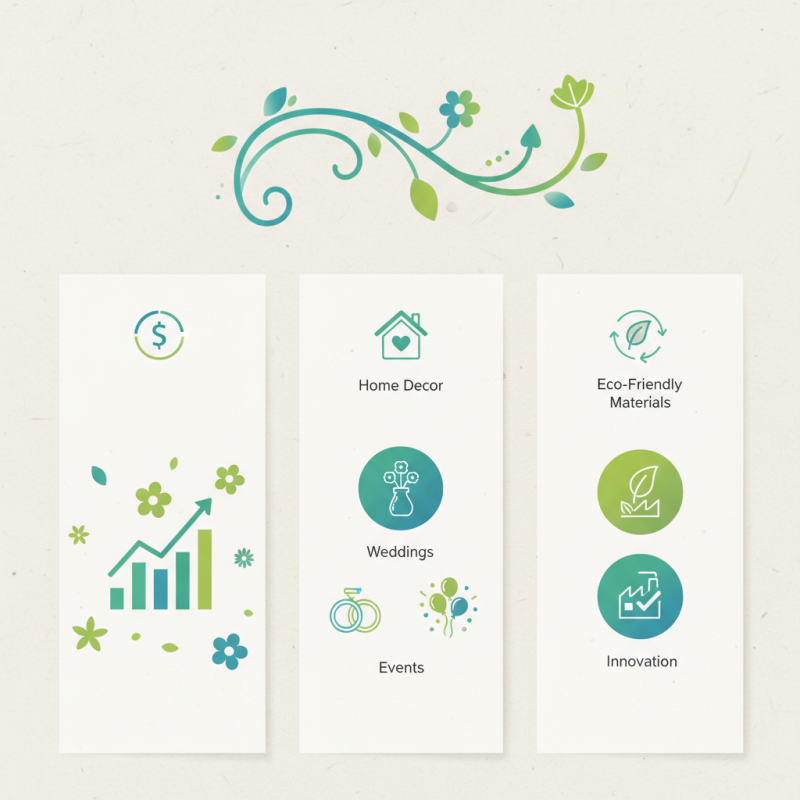
Artificial Flowers Leaves are transforming home decor, weddings, and events worldwide. They offer lasting beauty without the maintenance that real plants require. The versatility in design has made them ideal for various markets, from luxury to budget-conscious buyers. However, not all products meet quality standards, leaving consumers to navigate a landscape of options. It is essential to assess not just aesthetics, but also the materials used to avoid inferior products.
Data from the International Floral Industry suggests that eco-friendly materials are gaining traction among buyers. This shift presents a challenge, as brands need to balance sustainability with affordability. While many companies are innovating, others may fall behind. The opportunity lies in creating high-quality Artificial Flowers Leaves that reflect environmental awareness and meet consumer demands effectively.
Overview of Artificial Flowers and Leaves in 2026
As we look ahead to 2026, the landscape of artificial flowers and leaves continues to evolve. Growing interest in home decor and event planning has led to increased demand for these products. Buyers appreciate the realistic aesthetics of modern artificial arrangements, which often blend seamlessly into various environments. High-quality materials mimic the texture and color of natural flora, giving a lasting impression.
However, not all artificial flowers are created equal. It’s crucial for consumers to look for craftsmanship that showcases attention to detail. Colors should be vibrant, yet realistic. Textures need to appeal to touch, drawing people closer. In a market flooded with options, choosing the right supplier can be daunting. Some products may fade quickly or lack durability, leaving buyers disappointed.
Sustainability is another key factor in 2026. Eco-conscious consumers seek options that minimize environmental impact. As awareness grows, buyers are looking for recyclable materials. However, balancing quality with sustainability can be challenging. Manufacturers must innovate to meet these rising expectations while retaining the beauty and functionality of artificial flora. Continuous improvement is essential in this dynamic marketplace.
2026 Best Artificial Flowers Leaves for Global Buyers
This chart illustrates the popularity index of the best artificial flowers among global buyers in 2026, showcasing a variety of types that are in demand.
Top Global Suppliers of Artificial Flowers Leaves
The demand for artificial flowers and leaves continues to rise globally. This trend reflects a growing preference for low-maintenance decor solutions. Buyers seek high-quality options that can withstand time and weather changes.
Top suppliers offer diverse ranges of artificial foliage. Many manufacturers focus on creating lifelike textures and vibrant colors. They invest heavily in technology and skilled artisans to ensure realism. Yet, some products still fall short of expectations. Buyers often report inconsistencies in color and quality.
It's crucial for global buyers to research suppliers carefully. Assessing reviews and certifications can enhance buyer confidence. Networking within industry forums helps identify reliable sources. Building relationships with trustworthy suppliers can lead to better deals and quality assurance. Buyers should remain vigilant about their choices in this ever-evolving market.
Trends in Design and Aesthetics for Artificial Floral Decor
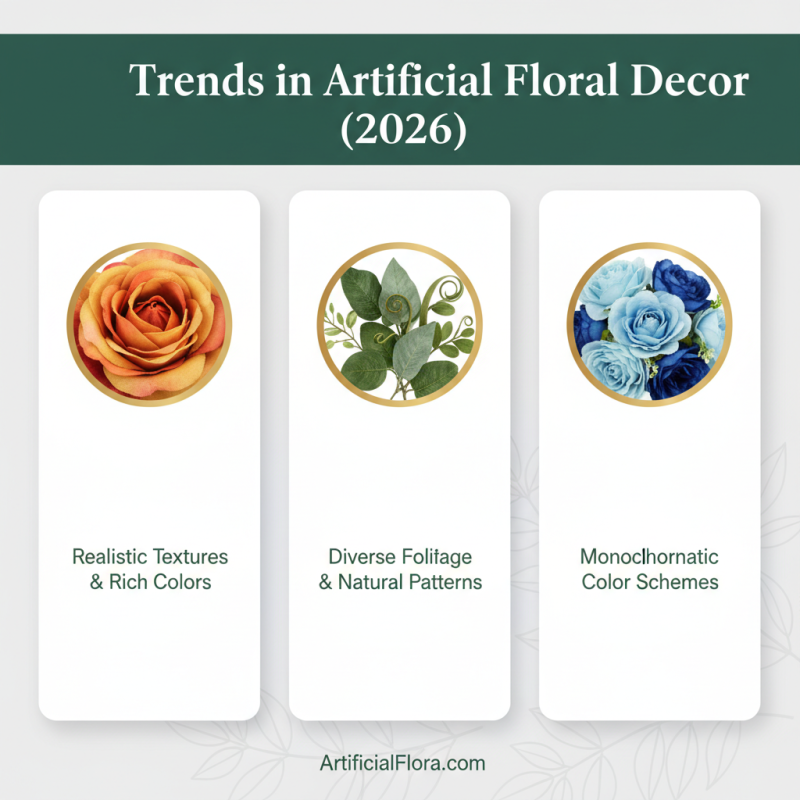
When exploring the world of artificial floral decor, design trends are evolving. Buyers are increasingly drawn to realistic textures and vibrant colors. In 2026, expect to see diverse foliage styles that mimic natural growth patterns. Monochromatic schemes are gaining popularity, allowing a single color to dominate in various shades.
Tips: Consider mixing different leaf types. This creates depth and visual interest. Use materials that have a slight sheen to reflect light, enhancing the lifelike quality. Texture is key; smooth and rough leaves can balance each other beautifully.
A focus on sustainability influences design choices. Buyers prefer eco-friendly alternatives made from recyclable materials. Despite the appeal, not all artificial flowers can achieve desired realism. It’s essential to choose wisely. Observe how they look in different lighting. Colors may shift under various conditions, affecting overall aesthetics. Embrace experimentation with arrangements; it may lead to unexpected beauty.
Innovative Materials Used in Artificial Flowers and Leaves
Artificial flowers and leaves have evolved significantly, driven by innovative materials and technology. Today, materials like silk, polyester, and thermoplastic elastomer (TPE) are commonly used. These materials not only provide realistic textures but also enhance durability, enabling artificial flora to withstand various conditions. According to a recent market report, the demand for artificial flowers has increased by over 25% in the last five years, reflecting consumer preferences for low-maintenance decor.
TPE, in particular, is noteworthy due to its flexibility and resilience. It mimics the natural properties of real flowers while ensuring longevity. Silk flowers offer elegance, yet it's essential to consider their care, such as avoiding direct sunlight to prevent fading. A study revealed that consumers often overlook the fragility of silk when choosing decor.
**Tip:** When selecting artificial plants, opt for materials that suit your environment. For outdoor settings, TPE and UV-resistant items may be ideal.
It's crucial to recognize that while artificial flora carries numerous benefits, they lack the authentic scent and feelings that real flowers can evoke. This gap is key for many buyers, indicating a need for thoughtful consideration. Making informed choices based on materials can lead to satisfying decor options that align with your aesthetic and functional needs.
2026 Best Artificial Flowers Leaves for Global Buyers
| Type |
Material Used |
Durability |
UV Resistance |
Weight (grams) |
Price Range ($) |
| Rose |
Silk and Plastic |
5 years |
Yes |
50 |
10-30 |
| Tulip |
Polyester |
4 years |
Yes |
40 |
8-25 |
| Daisy |
Vinyl |
3 years |
Yes |
30 |
6-20 |
| Orchid |
Foam and Silk |
6 years |
Yes |
70 |
15-35 |
| Sunflower |
Plastic and Fabric |
5 years |
Yes |
60 |
12-28 |
Factors to Consider When Purchasing Artificial Flowers for Export
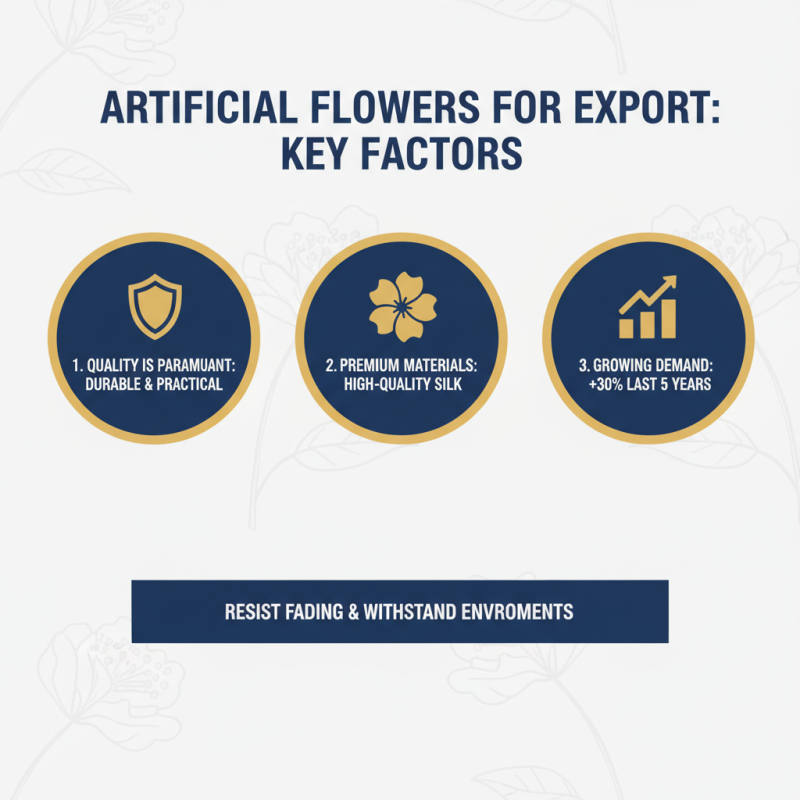
When purchasing artificial flowers for export, quality is paramount. Buyers should prioritize materials that are durable and realistic. High-quality silk is often preferred for its softness and vibrant colors. According to a 2021 market report, the demand for premium artificial flowers has surged by 30% in the last five years. These flowers resist fading and can withstand various environments.
The size and variety of the flower arrangement matter as well. Research shows that buyers favor diverse options to cater to different markets. Seasonal trends play a significant role here. In 2022, 40% of global buyers looked for flowers that mimic seasonal blooms. However, variations in regional preferences can be challenging to navigate. It’s essential to study your target market closely.
Pricing is another critical factor. Cost-effective sourcing does not always equal high quality. In fact, pricing inconsistencies can lead to buyer dissatisfaction. Companies must regularly evaluate their supply chains. Transparency in pricing helps build trust with buyers. In a survey, 65% of buyers reported valuing clear communication over the lowest price.