2026 Best Types of Decorative Flowers for Global Buyers
The 2026 market for Decorative Flowers is becoming more selective, not simply larger. Global buyers now compare visual appeal, vase life, shipping resilience, certification, and seasonal availability. Grand View Research estimates that the global cut flowers market will continue expanding through the decade, supported by weddings, hospitality, gifting, and home decoration. Meanwhile, AIPH’s International Statistics Flowers and Plants reports show strong production and trade activity across Europe, Africa, Asia, and the Americas. However, market figures differ by category and methodology. That detail matters.
As AIPH President Leonardo Capitanio has stated, “Flowers and plants are essential to people’s wellbeing.” This idea is visible in real purchasing decisions. A hotel may choose orchids for a lobby because they tolerate indoor conditions. A wedding planner may prefer roses for color consistency. A retailer may select chrysanthemums because they offer reliable shelf life and broad customer recognition. These choices reveal why no single flower suits every market.
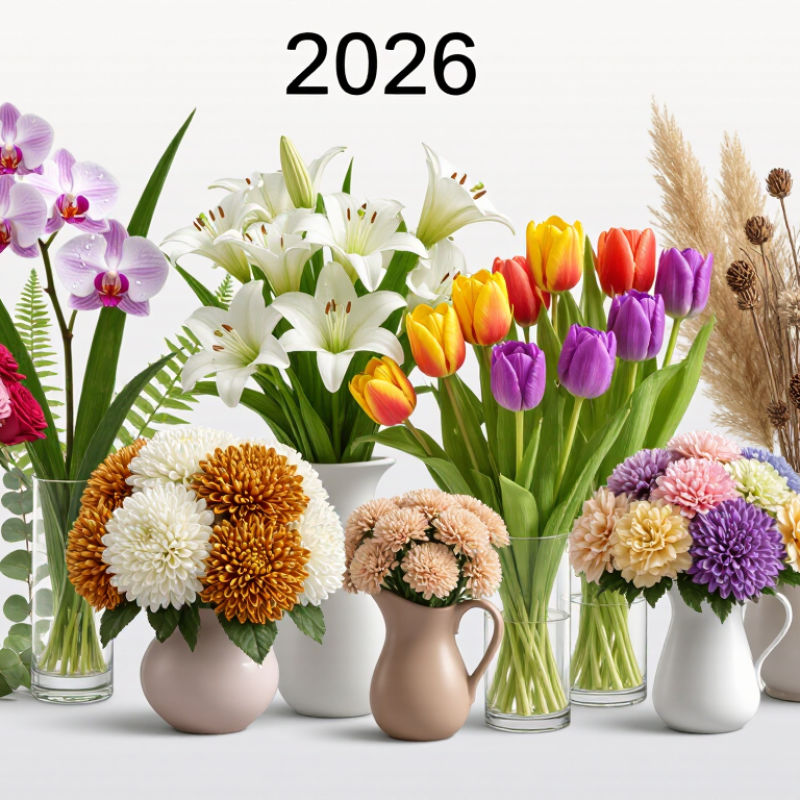
This guide examines the best types of Decorative Flowers for global buyers in 2026. It considers roses, orchids, lilies, tulips, chrysanthemums, carnations, dried flowers, and preserved varieties. Each section connects appearance with handling requirements, climate risks, buyer expectations, and supply reliability. Beauty alone is not enough. A fragile bloom can lose value before reaching the customer. Buyers should also question transport emissions, certification claims, and supplier transparency. Some rankings remain subjective, and regional preferences can change quickly. That uncertainty deserves attention, not decoration.
Decorative Flower Categories for Global Buyers in 2026
2026 Best Types of Decorative Flowers for Global Buyers
Decorative Flower Categories for Global Buyers in 2026
Global buyers are choosing decorative flowers by use, lifespan, and shipping conditions. Dried flowers suit rustic displays, gift sets, and long-term interior decoration. Their natural stems, muted colors, and light weight support efficient packing. However, fragile petals can break during transit. Careful inner wrapping remains essential.
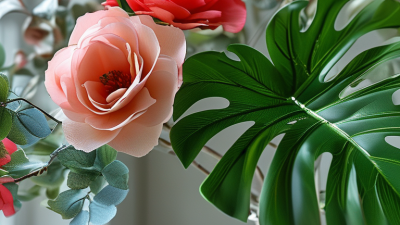
Preserved flowers offer a softer, more realistic appearance than many dried varieties. They work well in hospitality spaces, wedding décor, and premium gift arrangements. Buyers should check preservation methods, color stability, odor, and moisture resistance. Artificial flowers provide the broadest design flexibility. Silk-like fabric, molded polymer, and paper flowers can serve outdoor-free displays, seasonal collections, and retail decoration. Quality differs greatly. Some materials look convincing from a distance but feel artificial up close.
Tips: Match the category with the destination climate. Humid routes require moisture barriers and stronger cartons. Request samples before placing volume orders. Check stem strength, color consistency, fire-safety documentation, and packaging photos. Ask about sustainable materials and disposal guidance. No option is perfect. A visually beautiful flower may still create waste or arrive damaged. Test the full buyer experience before scaling.
Fresh, Dried, Preserved, and Artificial Decorative Flowers
For global buyers, decorative flowers now divide into four practical categories: fresh, dried, preserved, and artificial. Each serves a different buying situation. Fresh flowers offer fragrance and natural movement, but refrigerated transport, stem hydration, and short selling windows increase risk. UN Comtrade data shows that international cut-flower trade remains substantial, yet shipment value does not guarantee uniform vase life. Buyers should request harvest dates, packing specifications, and trial samples.
Dried flowers reduce water and cold-chain needs. Pampas grass, lagurus, and dried palms suit rustic interiors, but they can shed during handling. Preserved flowers keep a softer appearance through treatment, although color stability depends on humidity and light. The artificial segment adds durability and consistent sizing. Grand View Research reports that the global artificial flowers market is projected to grow at about 5.7% annually from 2024 to 2030. That growth reflects demand for reusable displays, not necessarily superior realism.
Quality inspection needs physical detail. Check stem flexibility, petal edges, odor, dust resistance, and carton compression. For preserved products, test color transfer on white fabric. For artificial flowers, bend the stems and examine exposed seams. IMARC’s market analysis identifies customization and event decoration as important growth factors in decorative flowers. Still, market reports use different definitions, so their figures should not be treated as exact truth. I would also avoid choosing only by appearance. A beautiful sample may fail after humidity, repeated handling, or weeks in a showroom. Test first.
Best Decorative Flower Types by Style, Use, and Market Demand
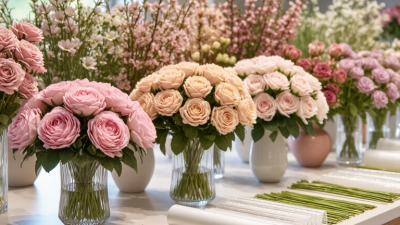
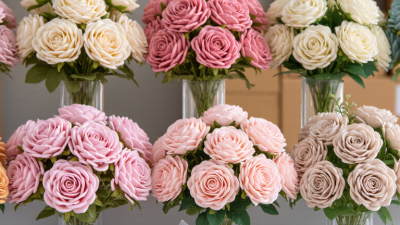
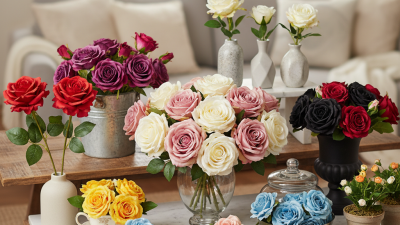
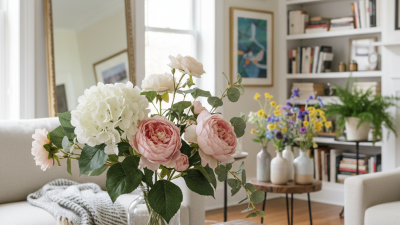
Decorative flower buyers now choose products by style, use, and market demand. Dried pampas grass suits bohemian interiors, neutral wedding settings, and large statement arrangements. Preserved roses offer a refined look for gifts, hotels, and premium displays. Silk peonies and hydrangeas create soft volume in home décor, while artificial orchids fit modern offices and hospitality spaces. Each type serves a different visual purpose.
Practical experience shows that buyers also judge stem strength, color stability, petal realism, and packaging protection. Warm beige and ivory remain dependable for global interiors. However, seasonal colors can attract event planners and younger retail customers. Demand is not identical across markets. Some buyers prefer compact bouquets, while others need tall arrangements for entrance areas. One mistake is choosing appearance before checking storage and shipping conditions. Flowers may look perfect in samples but arrive crushed or dusty.
Tips:
Request detailed photos and material specifications before ordering. Check whether stems can be reshaped safely. Test a small shipment before placing a larger order. Ask about moisture control for dried flowers and UV resistance for artificial types. Do not rely on trend reports alone. Local climate, cultural taste, and display habits matter. I have also found that mixed-style collections sell better than single-type ranges in some markets, though this result is not universal. Be ready to adjust colors, sizes, and packaging after reviewing buyer feedback.
Quality, Sustainability, and Safety Standards for International Buyers
For global buyers, decorative flowers must look beautiful after transport, not only in catalog photos. Quality begins with consistent color, clean cuts, stable stems, and low breakage. I check sample bundles under daylight, then inspect cartons after simulated handling. Small defects matter. A few crushed petals can signal weak drying or careless packing. Moisture is another concern; dried flowers should be fully cured and tested for mold risk before shipment. Artificial flowers need secure attachments, colorfast materials, and edges that do not scratch hands.
Sustainability requires evidence, not soft claims.
Buyers should request material origins, harvest controls, recycled-content records, and packaging details. For natural flowers, responsible collection protects wild habitats and avoids threatened species. Farm-grown options can offer clearer traceability, although water use and chemical management still need review. Reusable cartons and paper cushioning may reduce waste, but they are not automatically better if they fail in humid shipping conditions. This is where practical judgment matters.
International safety checks should match the destination market and product type.
Ask for botanical names, treatment disclosures, test reports, and phytosanitary documents when required. Check for prohibited preservatives, excessive pesticide residues, sharp wires, loose small parts, and misleading origin labels. Requirements differ. A certificate alone cannot replace inspection. I have seen attractive samples fail because moisture rose inside sealed plastic. Better suppliers record batch numbers, retain samples, and investigate complaints instead of defending every shipment. No process is perfect; honest correction usually protects long-term trade better than polished promises.
How to Select Decorative Flowers for Different Global Markets
How to Select Decorative Flowers for Different Global Markets
Selecting decorative flowers for global markets requires more than choosing attractive colors. Buyers should study climate, interior styles, cultural preferences, and product durability. Fresh flowers suit premium events and hospitality spaces, but they need reliable cold-chain handling. Artificial or preserved flowers work better for retailers seeking longer display life and lower maintenance.
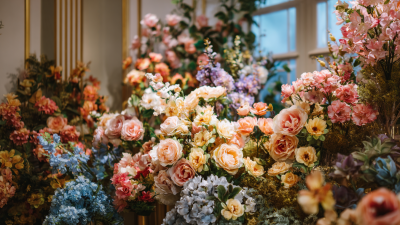
Color meaning changes across regions. Soft white and pastel arrangements may suit minimalist homes, while richer red, gold, or purple tones can attract festive-market buyers. Product size also matters. Compact bouquets fit urban apartments, while large stems serve hotels, wedding venues, and commercial displays. Experienced importers should check material quality, packaging strength, labeling needs, and destination requirements before placing large orders. A beautiful sample can still fail after long transport.
Tips: Compare local buying habits before selecting a collection. Test one small shipment first. Measure color fading, stem flexibility, scent, and packaging damage. Ask local partners for honest feedback, not polite approval. Online trends can help, but they are not always dependable. A design popular in one country may appear excessive elsewhere. Even careful planning can miss a regional preference, so review sales data after each season and adjust the next order.