What is the Appeal of Artificial Flowers in Modern Decoration?
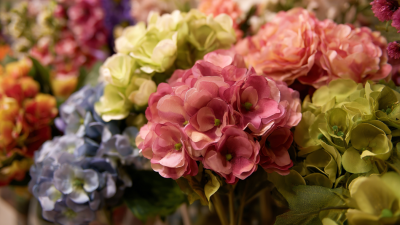
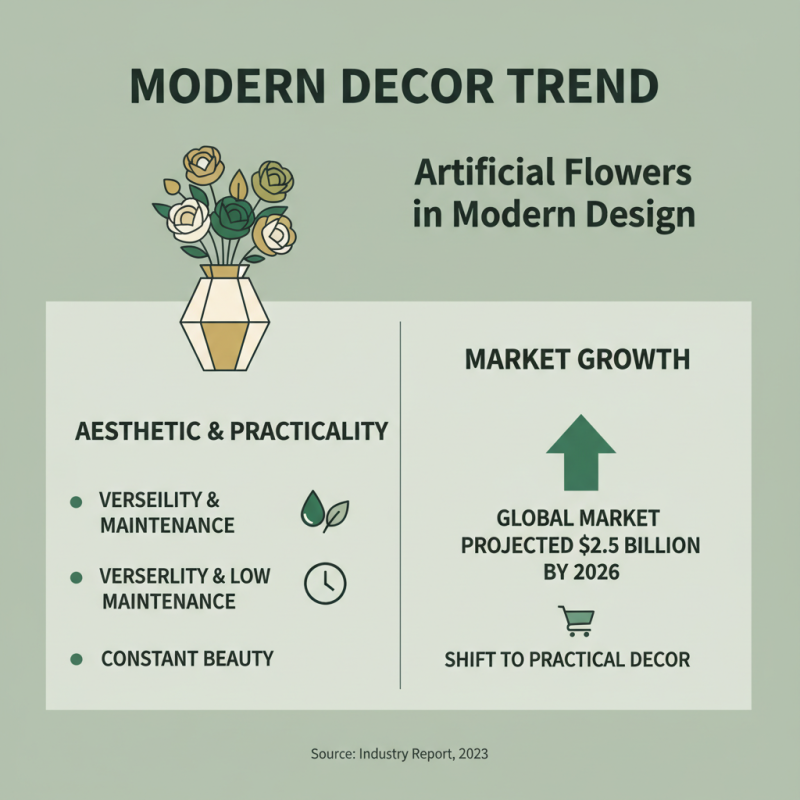
Artificial flowers have gained immense popularity in modern decoration. Recent industry reports indicate that the global market for artificial flowers is expected to reach $3 billion by 2025. This growth signifies a shift in consumer preferences towards sustainable and low-maintenance décor.
People are increasingly drawn to artificial flowers due to their versatility. They require no watering, sunlight, or special care. This makes them ideal for busy lifestyles and indoor environments with limited natural light. However, some may argue that artificial flowers lack the authenticity and fragrance of real blooms. This raises a question: do they truly capture the essence of nature?
Furthermore, while artificial flowers can add beauty to spaces, they may also contribute to a synthetic feel. Balancing these aspects can be challenging. It is essential to consider how these decorations impact emotional well-being and atmosphere. Striking the right balance between aesthetics and authenticity is crucial in modern design. As the industry evolves, understanding the appeal of artificial flowers offers valuable insight into consumer behavior and contemporary aesthetics.
The History of Artificial Flowers in Decoration
Artificial flowers have a fascinating history in decoration. Initially, these delicate imitations appeared in ancient Egypt, where they adorned tombs and religious spaces. Crafted from simple materials, they symbolized eternity and beauty. Over centuries, different cultures embraced artificial blooms. In the 18th century, French artisans created intricate silk flowers, elevating this craft into an art form. These elegant designs inspired European salons, transforming interiors into lush landscapes.
As the 19th century rolled in, artificial flowers gained popularity during the Victorian era. People sought ways to express emotions through floral arrangements. Artificial flowers became a practical solution, allowing vivid displays without wilting. Today, they still serve as vibrant decor elements. Their longevity and low maintenance appeal to many decorators.
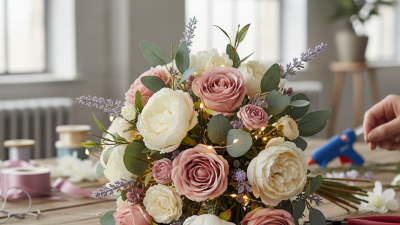
Tips: When choosing artificial flowers, consider the quality of materials. Opt for silk or high-end plastic for a more realistic appearance. Mixing different textures adds depth to arrangements. Also, don’t shy away from imperfections; a slightly crooked stem can bring a touch of character. Embrace your creativity; the arrangement might not be perfect, but it should reflect your style!
Popularity of Artificial Flowers in Modern Decoration (2015-2023)
Benefits of Using Artificial Flowers Over Real Ones
Artificial flowers have gained popularity in modern decoration for several reasons. One significant advantage is their longevity. Unlike real flowers, artificial ones do not wilt or require water. This means a vibrant arrangement can last months, even years. They are perfect for busy households or offices, where maintaining fresh flowers may be challenging.
Another benefit is the minimal maintenance they require. Dusting them occasionally is typically all that is needed. Real flowers necessitate regular care, from trimming stems to changing the water. This can be time-consuming. Moreover, artificial flowers come in a wide variety of styles, colors, and sizes. This allows individuals to find the ideal piece for any space. The freedom to choose unique designs without seasonal limitations adds to their appeal.
On the downside, some argue that artificial flowers lack the scent and organic beauty of real ones. This can lead to feelings of artificiality in the home. Additionally, there is the environmental aspect to consider. Many artificial flowers are made from synthetic materials that are not biodegradable. This fact encourages reflection on sustainability in decoration choices. Each option has its pros and cons, but the ease and versatility of artificial flowers make them an attractive choice for many.
What is the Appeal of Artificial Flowers in Modern Decoration? - Benefits of Using Artificial Flowers Over Real Ones
| Feature |
Artificial Flowers |
Real Flowers |
| Lifespan |
Long-lasting (years) |
A few days to a week |
| Maintenance |
Low (dusting only) |
High (watering, pruning) |
| Cost |
One-time purchase, reusable |
Recurring costs |
| Allergies |
Hypoallergenic |
Can trigger allergies |
| Customizability |
Wide range of colors & styles |
Limited seasonal availability |
| Environmental Impact |
Sustainable materials available |
Pesticides and carbon footprint |
Choosing the Right Artificial Flowers for Your Space
When choosing artificial flowers for your space, consider the overall aesthetic. Different styles, colors, and shapes can transform a room. According to a recent industry report, the global artificial flower market size is expected to reach $2.67 billion by 2026, showing the increasing popularity of these decor pieces.
Select flowers that complement your existing decor. For example, warm tones can enhance a cozy atmosphere. On the other hand, cool colors might suit modern, minimalist spaces. Quality matters too. Some artificial flowers look deceptively real while others can appear outdated. It’s essential to evaluate texture and realism when selecting.
Lighting plays a crucial role in how artificial flowers appear. Bright spaces can expose imperfections. Choose blooms that can withstand various lighting conditions. While they require less upkeep, be mindful of dust accumulation. Artificial flowers still need care, even if they don’t wither. A thoughtful arrangement can elevate your home.
Trends in Artificial Flower Usage in Contemporary Interiors
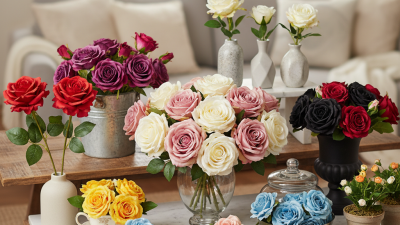
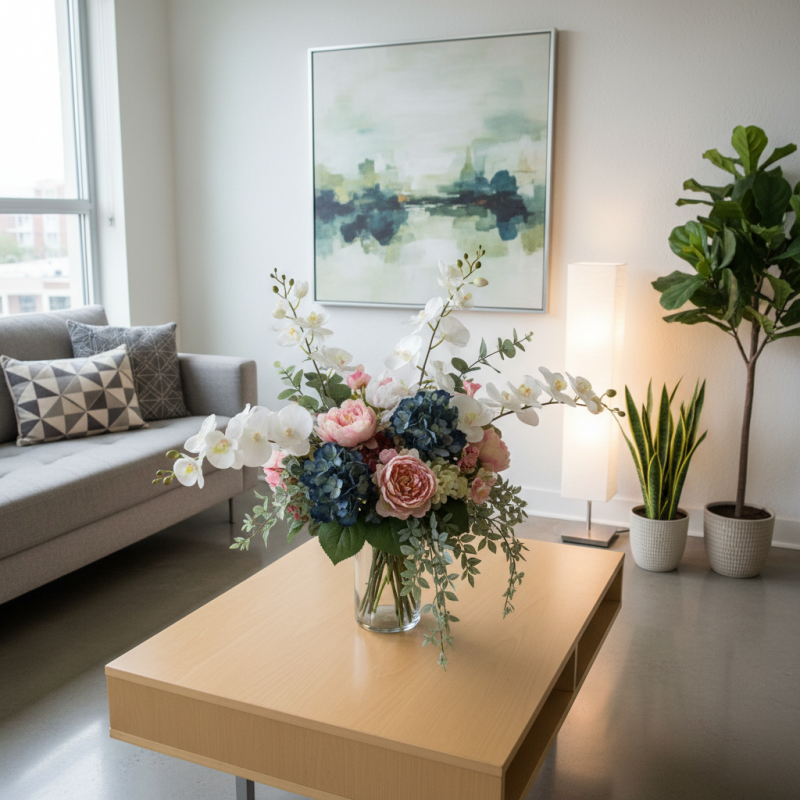
Artificial flowers have gained popularity in modern interiors. Their realistic appearance can complement various styles. From minimalist to bohemian, these blooms add life without the upkeep of real plants. People often mix colors and textures, creating vibrant arrangements.
One trend is using artificial flowers in unexpected places. A striking centerpiece on a dining table can spark conversation. Placing them in quirky vases or hanging installations can transform a dull corner. Consider a single large bloom for a dramatic effect.
Tip: Choose flowers that match your interior color scheme for cohesion. Experiment with different compositions to see what feels right in your space. Sometimes, less is more; a few carefully placed stems can be more impactful than a crowded arrangement.
While many appreciate the convenience, some feel they lack the authenticity of real flowers. Finding the right balance is key. Try blending real and artificial blooms for a more organic look. Pay attention to the materials. Certain plastics can look cheap and artificial. Aim for high-quality options that feel lush.