What is Artificial Grass and How It Benefits Your Lawn and Landscape
The growing popularity of Artificial Grasses has revolutionized the landscaping industry, offering an innovative solution to traditional grass options. According to a recent report by the Synthetic Turf Council, the market for artificial turf is projected to reach $5.34 billion by 2026, driven by advancements in technology and a heightened focus on sustainability. As homeowners increasingly seek eco-friendly alternatives, artificial grasses present a myriad of benefits that not only enhance the aesthetics of lawns but also reduce the need for water and chemical maintenance.
Industry expert Dr. Lisa Hartmann emphasizes the environmental advantages of artificial grasses, stating, "By replacing natural grass with artificial alternatives, we can significantly decrease water usage and promote eco-conscious living." This shift is particularly vital in regions grappling with water scarcity, where maintaining a lush green lawn can be both costly and unsustainable. Furthermore, artificial grasses provide a durable and low-maintenance option that ensures year-round beauty in various climates.
As the trend towards artificial grasses continues to grow, understanding their benefits becomes essential for homeowners and landscapers alike. This emerging landscape innovation not only fulfills aesthetic desires but also aligns with a broader commitment to sustainability and resource conservation.
Understanding Artificial Grass: Definition and Composition
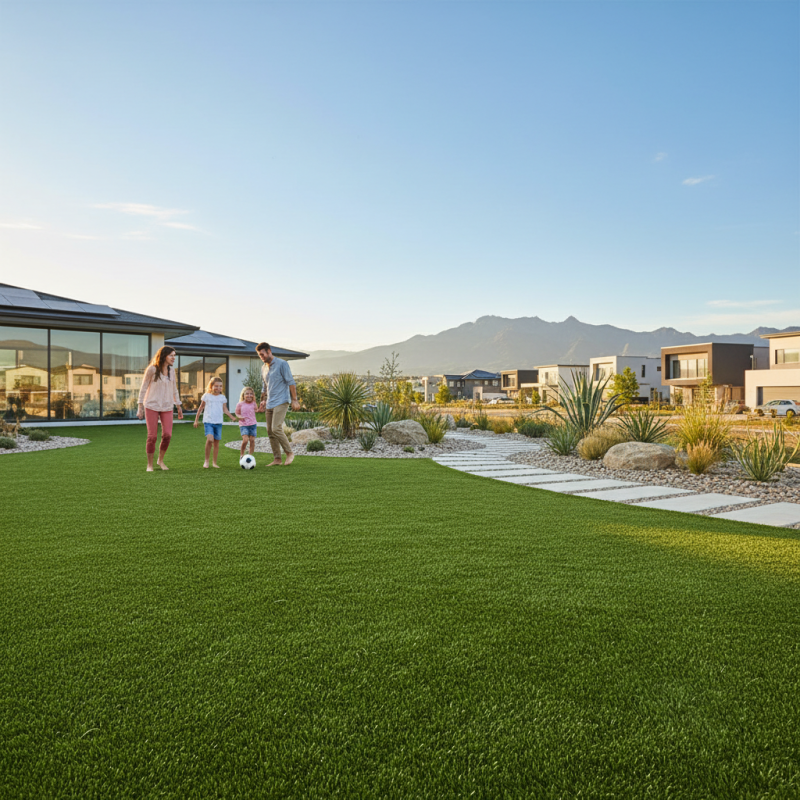
Artificial grass, often referred to as synthetic turf, is a surface made from materials that mimic the appearance and feel of natural grass. It primarily consists of a blend of polyethylene, polypropylene, and nylon fibers, designed to withstand various weather conditions while requiring minimal maintenance. The base structure typically includes layers of gravel or sand to promote drainage and stability, making it suitable for both residential and commercial landscaping. This composition allows artificial grass to remain lush and green year-round, providing an inviting aesthetic for lawns, sports fields, and recreational areas.
Tips for choosing artificial grass include considering the type of infill material used. Silica sand is a popular option for its drainage capabilities and durability, while rubber infill provides added cushioning, making it ideal for play areas. Additionally, think about the pile height and density, as these factors will influence how natural the artificial grass appears and feels underfoot. Selecting the right features can greatly enhance the overall effectiveness and visual appeal of your landscape.
Moreover, installation is a critical aspect of ensuring the longevity of artificial grass. Proper preparation of the ground surface and adequate drainage solutions will help prevent issues such as pooling water or uneven textures. By focusing on quality installation and carefully selecting the right materials, homeowners can maximize the benefits of artificial grass, creating a picturesque and worry-free landscape that stands the test of time.
Advantages of Artificial Grass for Lawn and Landscape Design
Artificial grass has gained popularity in lawn and landscape design due to its numerous advantages. One of the most significant benefits is its low maintenance requirement. Unlike natural grass, which demands regular mowing, watering, and fertilizing, artificial turf remains lush and green with minimal upkeep. This not only saves homeowners time and effort but also reduces the costs associated with water bills and lawn care products.
Moreover, artificial grass is remarkably durable and resilient to various weather conditions. It can withstand heavy foot traffic without showing signs of wear and tear, making it an ideal choice for high-use areas such as playgrounds or sports fields. Additionally, it eliminates the issues of mud and puddles, providing a clean and safe environment for children and pets. With its longevity, artificial grass can enhance the overall aesthetics of a landscape while offering practical solutions that traditional grass cannot match.
What is Artificial Grass and How It Benefits Your Lawn and Landscape - Advantages of Artificial Grass for Lawn and Landscape Design
| Aspect |
Description |
| Durability |
Artificial grass can last 15-25 years, depending on quality and maintenance. |
| Low Maintenance |
Requires minimal upkeep compared to natural grass; no mowing, watering, or fertilizing needed. |
| Water Conservation |
Artificial grass helps save water, making it an eco-friendly option in dry areas. |
| All-Weather Use |
Remains usable in any weather condition, from rain to intense heat. |
| Aesthetics |
Provides a consistently green and lush look, enhancing curb appeal. |
| Pet-Friendly |
Safe for pets; easy to clean and does not attract pests. |
| Versatility |
Suitable for various applications like lawns, playgrounds, and sports fields. |
Environmental Impact: Water Savings and Reduced Chemical Use
Artificial grass has gained popularity in recent years, primarily due to its environmental benefits. One of the most significant advantages is its contribution to water savings. Traditional lawns require substantial amounts of water for irrigation, which can strain local water resources, especially in drought-prone areas. In contrast, artificial grass is designed to require little to no water, allowing homeowners to significantly reduce their overall water consumption while still enjoying a lush, green landscape.
In addition to water savings, the use of artificial grass can lead to a reduction in chemical use. Natural lawns often depend on fertilizers, pesticides, and herbicides to maintain their appearance and health. These chemicals can have detrimental effects on the surrounding ecosystem, including soil and water quality. With artificial grass, the need for these harmful substances is virtually eliminated, promoting a healthier environment for both wildlife and humans. This shift not only benefits individual homeowners but also contributes to broader ecological health by minimizing chemical runoff and protecting local habitats.
Durability and Maintenance Compared to Natural Grass
When considering the durability and maintenance of artificial grass versus natural grass, it’s important to recognize the significant advantages that synthetic turf offers. Artificial grass is designed to withstand heavy foot traffic and extreme weather conditions without showing signs of wear and tear. Unlike natural grass, which can develop bare patches or suffer from pest infestations, artificial turf maintains its pristine appearance year-round. This resilience makes it an ideal choice for heavily used areas, such as sports fields and playgrounds, where maintaining healthy, natural grass would require extensive effort and resources.
In terms of maintenance, the contrast between the two types of grass is striking. Natural grass requires regular mowing, fertilizing, watering, and pest control to keep it healthy and green. These demands not only consume time but can also incur significant costs. On the other hand, artificial grass requires very little maintenance. Occasional rinsing to remove debris and periodic brushing to fluff up the fibers are typically all that is needed. This low-maintenance requirement allows homeowners and businesses alike to save both time and money, making artificial grass a more practical choice in the long run while still achieving a vibrant and attractive landscape.
Comparison of Durability and Maintenance: Artificial Grass vs Natural Grass
Cost-Benefit Analysis: Long-term Financial Implications of Artificial Turf
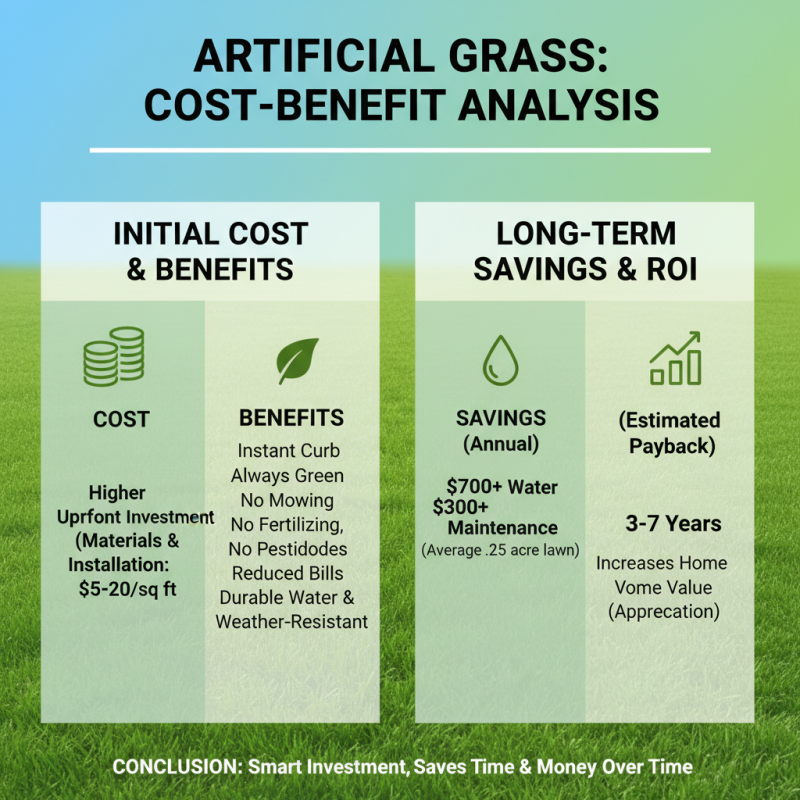
Artificial grass offers numerous advantages for homeowners looking to enhance their lawns and landscapes. From visual appeal to reduced maintenance, its popularity has been on the rise. However, one of the key considerations for any homeowner contemplating the switch to artificial turf lies in a cost-benefit analysis that examines the long-term financial implications of this investment.
While the initial cost of installing artificial grass can be substantial, the long-term savings become evident over time. With natural grass, homeowners face ongoing expenses such as regular mowing, watering, fertilization, and pest control. These costs can accumulate significantly each year. In contrast, artificial turf requires minimal maintenance—eliminating the need for lawn care services and reducing water bills. Over a period of several years, the lower maintenance costs associated with artificial grass can offset its initial installation price, proving to be a financially sensible decision for many households.
Additionally, investing in artificial grass can increase property value, as well-maintained landscapes are often appealing to potential buyers. Homeowners can enjoy a visually striking lawn year-round without the fluctuations of seasonal changes in natural grass. This combination of aesthetic consistency and reduced long-term maintenance costs provides a compelling financial argument for choosing artificial turf over traditional grass, making it an increasingly popular choice for modern landscapes.