Discover the Best Artificial Roses for Global Wholesale Purchase?
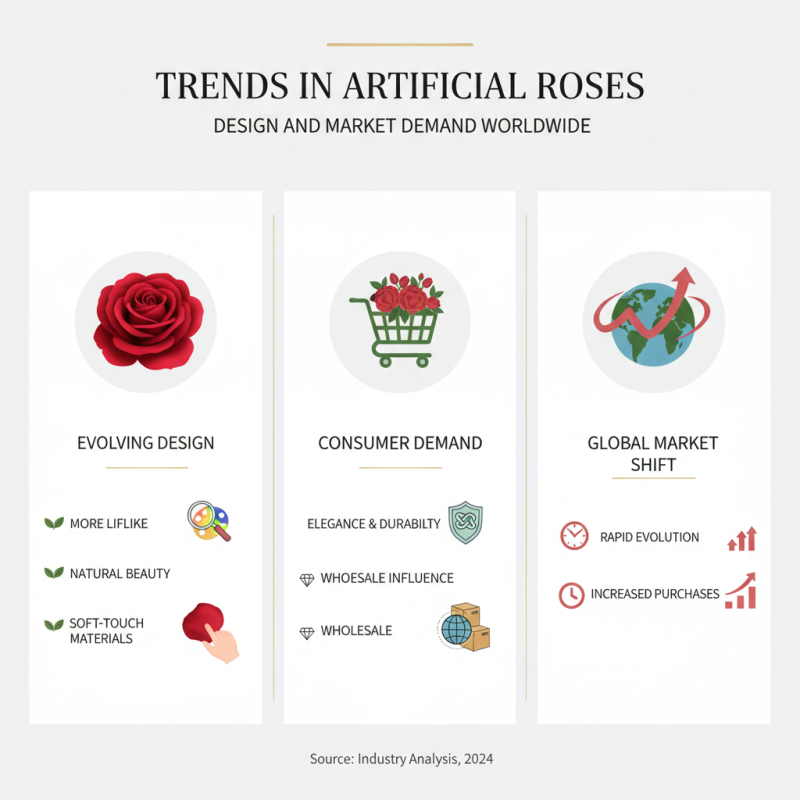
In recent years, the demand for artificial roses has surged. Market research indicates that the global artificial flower industry is projected to reach $1.5 billion by 2026. This growth reflects their versatility in home decor, event planning, and gift-giving. Artificial roses offer a lasting alternative to natural flowers, appealing to consumers seeking durability.
Notably, the evolution of materials has enhanced the realism of artificial roses. High-quality options now mimic the texture and appearance of fresh blooms. However, the challenge remains in selecting the right supplier. As wholesalers, understanding the nuances of quality and price is vital. The market is flooded with choices, so discernment is essential.
Artisans and manufacturers must consider trends and consumer preferences. While artificial roses can seem like a sustainable choice, they often require scrutiny. Factors like production methods and material sourcing affect overall sustainability. In this competitive landscape, sourcing the best artificial roses will define success for many businesses. Quality and a keen eye for detail are now more critical than ever.
Understanding Artificial Roses: Types and Materials
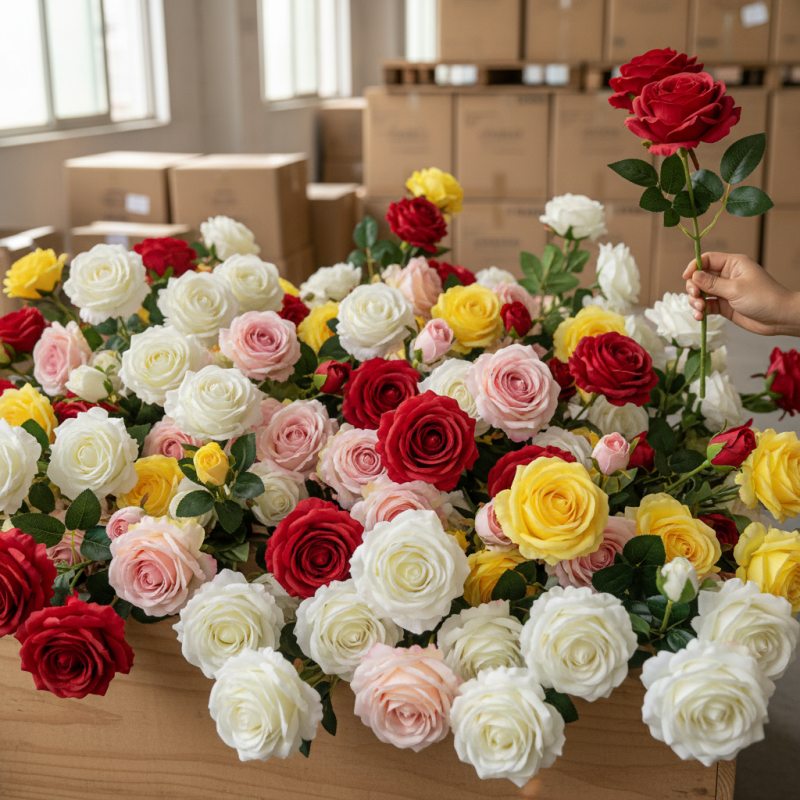
Artificial roses have gained popularity across various markets. They offer a lasting beauty that real flowers cannot match. Understanding the types and materials of these roses is essential for buyers.
There are two main types of artificial roses: silk roses and foam roses. Silk roses are often created from high-quality polyester fabric, providing a soft touch and realistic appearance. Reports show that the global market for artificial flowers, including roses, is expected to grow by 5% annually. Foam roses, on the other hand, are lightweight and can be manufactured in vibrant colors. They are durable but may not have the same texture as silk.
The materials used also play a crucial role. The majority of artificial roses are produced with plastic, silk, or foam. A study found that 70% of consumers prefer products made with eco-friendly materials. However, many artificial roses still contain elements that raise questions about sustainability. The choice of material impacts not only aesthetics but also longevity and environmental footprint.
Ensuring that wholesalers offer a variety of materials is vital for meeting diverse consumer demands.
Factors to Consider When Choosing Artificial Roses for Wholesale
When selecting artificial roses for wholesale, several key factors should be considered. The quality of materials used is crucial. High-quality fabrics and realistic finishes can enhance the overall appeal of the roses. Look for options that mimic the texture and color of natural flowers. Durability is another important aspect. Roses that withstand various conditions, whether for decorations or events, are preferable.
Pricing plays a significant role in wholesale purchases. Balancing cost with quality can be challenging. It's wise to compare different suppliers to find the best deals. Remember, a lower price may mean compromised quality.
Additionally, consider the variety of designs available. An array of colors and styles can cater to different customer preferences and market trends. Pay attention to packaging as well. Attractive packaging can make a significant difference in sales. Lastly, ensure the supplier has a reliable reputation. Research reviews and testimonials to validate their credibility. Trustworthy suppliers will often have dependable return policies and customer support.
Top Global Suppliers of Artificial Roses for Bulk Purchase
When exploring global suppliers of artificial roses, several key factors emerge that can guide bulk buyers. The artificial flowers market is projected to grow significantly, with a compound annual growth rate (CAGR) of 9.1% from 2021 to 2026, according to industry experts. This increase emphasizes a surge in demand, especially for high-quality, realistic-looking artificial roses.
Notable suppliers often demonstrate vast inventories, with some offering thousands of styles and colors. The variety matters. Buyers should consider how design and quality impact consumer preferences. Quality craftsmanship can enhance a product's appeal, making it essential to evaluate suppliers thoroughly. Reports indicate that buyers are increasingly focusing on sourcing sustainable materials, which affects their choice of suppliers.
Despite the booming market, challenges remain. Some suppliers may struggle with consistent quality control. This inconsistency can lead to customer dissatisfaction. Engaging with suppliers that offer transparent quality assurance processes can mitigate these risks. Establishing strong communication channels can also foster long-term partnerships, ensuring reliable delivery and service.
Comparative Analysis of Pricing and Quality in Artificial Roses
In the world of artificial roses, pricing and quality can vary significantly. According to a recent industry analysis, the average wholesale price for artificial roses ranges from $0.50 to $5.00 per unit, depending on material and craftsmanship. Synthetic materials like polyester are often cheaper, while silk-based products command higher prices. Nonetheless, buyers need to weigh cost against durability and realism.
Quality indicators include the texture, colorfastness, and construction of each rose. A report from the Floral Industry Trends 2023 indicates that 70% of consumers prioritize realistic appearance when choosing artificial flowers. In contrast, lower-priced options may sacrifice detail for affordability, resulting in a less appealing product. Furthermore, a notable inconsistency in quality is common among suppliers, emphasizing the importance of thorough supplier vetting.
Reflection on sourcing practices reveals that many bulk buyers overlook the significance of product testing. Buyers often rely on sample products before making large purchases. However, inadequate testing can lead to future disappointments. Investing time in analyzing product quality can save costs associated with returns and reorders. Prioritizing both quality and affordability forms the cornerstone of successful wholesale purchasing in the artificial flower market.
Discover the Best Artificial Roses for Global Wholesale Purchase? - Comparative Analysis of Pricing and Quality in Artificial Roses
| Type |
Material |
Price per Dozen (USD) |
Quality Rating (Out of 5) |
Color Options |
| Silk Roses |
Silk |
$25.00 |
4.5 |
Red, White, Pink, Yellow |
| Latex Roses |
Latex |
$30.00 |
4.0 |
Red, Blue, Purple |
| Foam Roses |
Foam |
$20.00 |
4.2 |
Pink, Cream, Red |
| Plastic Roses |
Plastic |
$15.00 |
3.8 |
White, Pink, Violet |
| Paper Roses |
Paper |
$10.00 |
3.5 |
Red, Blue, Green |