Best Imitation Plants for Global Buyers in 2026?
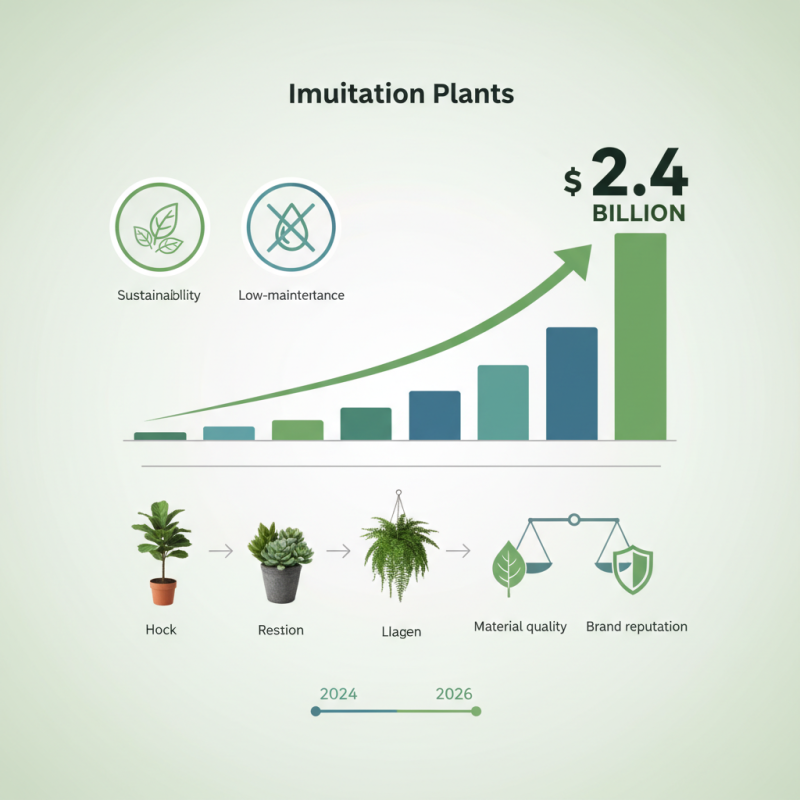
As the demand for sustainability rises, the market for imitation plants is rapidly expanding. According to a recent report by Market Research Future, the global artificial plant market is projected to reach $2.4 billion by 2026. This growth reflects a growing preference for low-maintenance home decor options that mimic nature. Imitation plants offer beauty without the need for water or sunlight, making them a popular choice among homeowners and businesses alike.
Industry expert Dr. Eliza Hart, a leading figure in the field of synthetic flora, noted, "Imitation plants not only enhance aesthetic appeal but also cater to an eco-conscious consumer base." Her insights highlight how these products are redefining interior design trends. With various styles and lifelike designs, imitation plants can fit any decor while minimizing environmental impact.
However, buyers must critically evaluate their choices. The challenge lies in distinguishing high-quality products from inferior ones. Not all imitation plants are created equal; some may lack realism or durability. As the market grows, consumers are encouraged to consider factors such as material quality and brand reputation. This discernment will ensure that the chosen imitation plants meet both aesthetic and practical needs in 2026 and beyond.
Top Trends in Imitation Plants for 2026
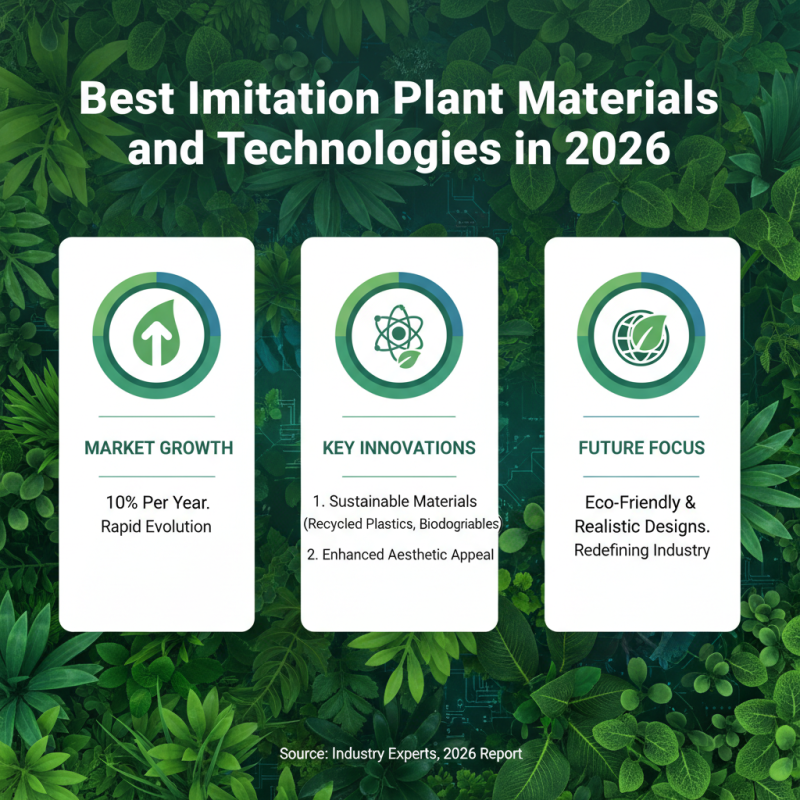
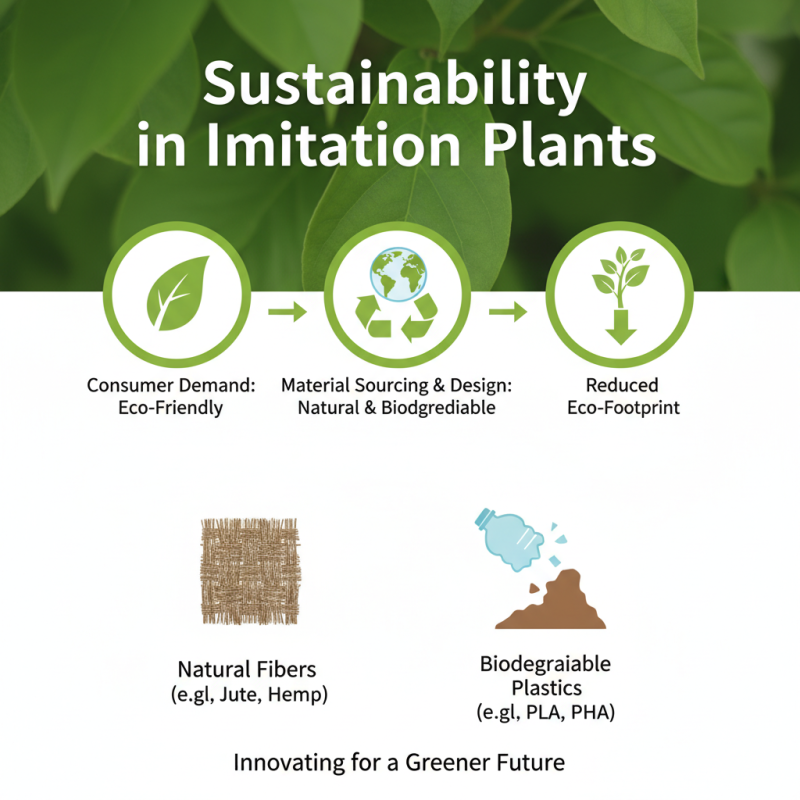
The imitation plant market is evolving rapidly as global trends shift. In 2026, one standout trend is the increasing demand for sustainable materials. According to a recent market report, over 70% of consumers are prioritizing eco-friendly products. This trend is pushing manufacturers to create imitation plants from recycled materials.
Another significant trend is customization. Consumers are seeking unique pieces that suit their individual styles. Research suggests that personalized home decor is on the rise, with a 50% increase in sales forecasted for custom-designed imitation plants. This shift towards personalization allows buyers to express their identity through their home environments.
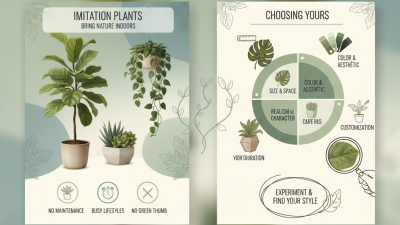
Tips: When selecting imitation plants, consider the material. Non-toxic, durable materials offer longevity. Additionally, explore various sizes and arrangements to add dimension to your space. Aim for plants that mimic natural growth patterns for a more authentic appearance.
Key Factors Driving Global Demand for Fake Plants
In recent years, the demand for imitation plants has surged. This is driven by urbanization and changing lifestyles. A report by Grand View Research highlighted that the global market for artificial plants could reach $3.2 billion by 2026. This growth reflects a shift in consumer preferences.
One key factor influencing this trend is the need for low-maintenance decor. Busy lifestyles leave little time for plant care. Imitation plants require no watering or pruning, making them ideal for homes and offices. Moreover, advancements in manufacturing techniques have led to more realistic designs. The lack of allergens in fake plants also appeals to individuals with allergies.
Additionally, the rise of e-commerce has made these products more accessible. Many buyers prefer to shop online, where they can easily compare options. However, consumers should consider the sustainability of materials used in these products. As the market expands, it remains crucial to evaluate the environmental impact of imitation plants.
Best Imitation Plants for Global Buyers in 2026
Market Analysis: Leading Brands in Imitation Plants
The imitation plant market is evolving rapidly. Buyers worldwide seek realistic options that enhance their spaces. Many brands focus on creating lifelike designs. These products mimic the beauty of natural plants without the maintenance. A wide variety of species is available, catering to diverse tastes.
Quality is crucial in this market. Customers appreciate durable materials that withstand time and elements. Some imitations are more convincing than others. Brands often test their products with consumers before launching. User reviews and expert opinions help gauge reliability. Companies invest in research to improve aesthetics and design, ensuring customer satisfaction.
However, not every brand hits the mark. Some products may look artificial upon closer inspection. It’s essential for buyers to compare options carefully. Transparency in the manufacturing process is key. Understanding materials used can help consumers make informed choices. Despite advancements, perfection is still a goal for many brands.
Best Imitation Plants for Global Buyers in 2026 - Market Analysis
| Category |
Market Share (%) |
Growth Rate (%) |
Price Range (USD) |
Sustainability Rating |
| Artificial Trees |
30 |
5 |
100 - 500 |
A |
| Silk Flowers |
25 |
4 |
20 - 150 |
B |
| Faux Succulents |
20 |
6 |
10 - 80 |
A+ |
| Artificial Vines |
15 |
3 |
15 - 60 |
B+ |
| Indoor Potted Plants |
10 |
7 |
30 - 200 |
A |