How to Choose a Flower Wreath for Global Buyers in 2026?
Choosing a Flower Wreath in 2026 requires more than matching colors to a seasonal mood. Global buyers now compare appearance, durability, sourcing records, packaging, and delivery reliability. A wreath may look beautiful online, yet arrive with crushed petals or uneven spacing. That gap matters. Buyers should define the intended setting before contacting suppliers. Is it a hotel entrance, memorial display, wedding backdrop, or retail shelf? Each use changes the required diameter, weight, attachment method, and moisture resistance. A 45-centimeter wreath suits a shop display, while a larger entrance piece needs stronger support.
Experienced purchasing teams inspect sample photos from several angles, request material specifications, and confirm production tolerances. Ask whether flowers are preserved, dried, artificial, or mixed. Ask about colorfastness under sunlight. Also check odor, shedding, and relevant safety documentation. Do not rely on attractive claims alone. Supplier reliability includes lead time, carton testing, replacement policies, and clear communication. A practical buyer should compare landed cost, not only unit price. Include inner padding, export cartons, labels, and possible seasonal delays. Small details matter.
Still, no checklist removes every uncertainty. Natural materials vary slightly in color and shape. Even careful forecasts can miss a trend. That is not failure. It is a reason to build flexibility. Start with a controlled sample order, record defects, and gather customer feedback. Then adjust the design, packaging, or quantity. The strongest Flower Wreath strategy balances visual appeal with evidence. In 2026, global buyers will value suppliers who communicate limits clearly, correct mistakes promptly, and improve after each shipment. Beauty opens the conversation. Consistency keeps the partnership.
Understanding Flower Wreath Types and Their Global Uses
How to Choose a Flower Wreath for Global Buyers in 2026?
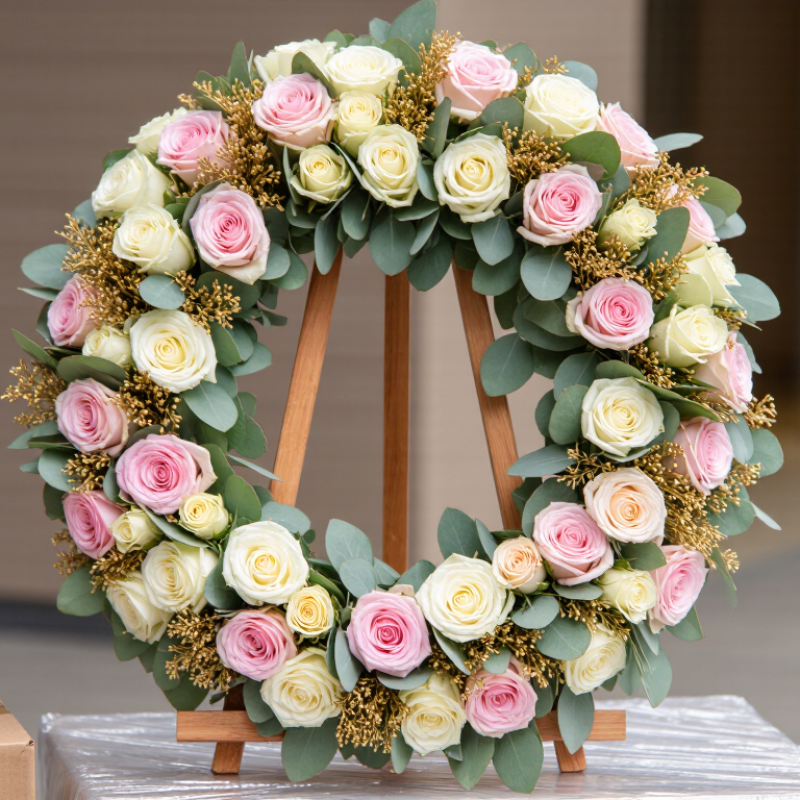
Flower wreaths serve different purposes across international markets. Fresh wreaths suit weddings, memorials, and short events. They offer natural fragrance but require careful temperature control. Dried wreaths travel more easily and work well for home décor, seasonal displays, and long-term gifts. Preserved flowers provide a softer appearance with longer stability. Artificial wreaths suit hotels, retail windows, and repeated commercial use. Their visual quality varies greatly, so buyers should inspect close-up images and sample construction.
Cultural meaning matters. A circular wreath may represent welcome in one market and mourning in another. Color choices can also change by region. White flowers often suggest purity, but they may carry different emotional meanings elsewhere. Measure the wreath, backing frame, packaging, and hanging method. Small details matter. In procurement work, I have seen attractive products fail because the boxes crushed the outer petals. That mistake is easy to overlook.
Tips: Match the wreath to its climate, event, and shipping distance. Ask about flower origin, moisture content, frame materials, and expected display life. For fresh products, confirm cooling requirements before ordering. For dried and artificial designs, request drop-test packaging details. Check destination import requirements, especially for untreated plant materials. Sample approval remains essential. Photos can hide uneven density, loose wiring, or weak hooks. Be careful with “natural” claims; they may describe appearance, not material. A practical choice may look less romantic, but it usually performs better.
Matching Wreath Features with Regional Buyer Preferences
How to Choose a Flower Wreath for Global Buyers in 2026?
Regional preferences should guide every wreath decision. North American buyers often favor fuller designs with bold seasonal colors. Many European buyers prefer restrained palettes, natural textures, and smaller proportions. In parts of Asia, soft pink, white, and auspicious red can attract attention. Middle Eastern buyers may respond well to elegant gold accents and rich jewel tones. These patterns help, but they are not rules. Local interviews still matter.
Material choice also changes by market. Dried flowers suit buyers seeking long display life and lower maintenance. Artificial petals work well for humid areas when their color remains stable. Test samples under heat, sunlight, and transport pressure before accepting a large order. Loose stems create disappointing arrivals. I have seen beautiful wreaths lose their shape after poor inner packing. That mistake is easy to underestimate.
Size, scent, and presentation influence purchasing decisions. A compact wreath may fit urban apartments, while larger pieces suit hotels and event spaces. Avoid strong fragrances when buyer preferences are unclear. Provide clear measurements, close-up photos, material details, and care instructions. Neutral packaging can serve several regions, but small cultural touches may improve appeal. Still, customization can increase cost and production errors. Review sales feedback every season, and be willing to change an attractive design that performs poorly.
How to Choose a Flower Wreath for Global Buyers in 2026?
Matching wreath features with regional buyer preferences
The index uses a 0–100 preference scale to compare practical selling priorities by region. North American buyers generally favor larger statement wreaths and seasonal color, European buyers place greater emphasis on natural materials and understated palettes, while Asia-Pacific buyers show stronger interest in compact, gift-ready designs and durable artificial flowers. Regional expectations should be validated with local customer research before production.
Source framework: publicly reported seasonal décor, gifting, sustainability and home-decoration trends from 2024–2025; scores are a comparative editorial benchmark, not company or brand sales data.
Checking Quality, Safety Standards, Packaging, and Shipping Needs
How to Choose a Flower Wreath for Global Buyers in 2026?
Quality should be checked before decoration, not after arrival. Ask for colorfastness, wire strength, odor, dust, and moisture resistance. A reliable supplier should provide batch photos, material details, and a pre-shipment inspection record. Small issues matter. Loose petals can damage cartons and create customer complaints. For synthetic wreaths, request testing for restricted substances under EU REACH and relevant US consumer-product rules. These requirements differ by market, so one certificate may not cover every destination.
Safety paperwork must match the product’s real use. Do not claim flame resistance without a recognized test report. If the wreath contains lights, batteries, or electrical parts, confirm applicable electrical and transport requirements separately. The International Air Transport Association reports that air cargo carries more than 35% of global trade by value, making accurate packing declarations important. Yet many buyers still underestimate compression damage during air handling.
Packaging should hold the wreath firmly without flattening leaves or bending metal frames. Use corner protection, moisture barriers, and carton drop testing. UNCTAD’s Review of Maritime Transport states that over 80% of global merchandise trade by volume moves by sea. Sea shipments therefore need stronger moisture control and longer storage protection. Recyclable packaging is preferable, but weak paperboard can fail in humid ports. A practical specification includes carton dimensions, gross weight, stacking limits, pallet details, product photos, and shipping marks. Sometimes, the cheapest packaging becomes the most expensive mistake.