How to Choose the Best Artificial Flowers for Your Home?
Choosing the right artificial flowers for your home can be a delightful yet challenging task. According to Dr. Emily Green, a renowned expert in the field of home décor, "The beauty of artificial flowers lies in their simplicity and accessibility." This means that with the right selection, you can enhance your space without breaking the bank.
Artificial flowers come in various styles, colors, and materials. It's easy to get overwhelmed by the choices available. Consider the mood you want to create. Warm colors often bring a sense of comfort, while cool tones can add tranquility. Think about the size too; larger arrangements can be statement pieces, while smaller ones may suit subtle spaces.
Despite their charm, not all artificial flowers are made equal. Some may look too plastic or unrealistic. Always take time to check the quality. Inspect the texture and color. Find flowers that mimic their real counterparts. Some might even reflect light beautifully, adding depth to your décor. Embrace the imperfections, as they can lead to unique styles that reflect your personality.
Types of Artificial Flowers and Their Uses in Home Decor
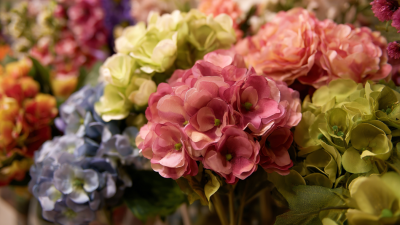
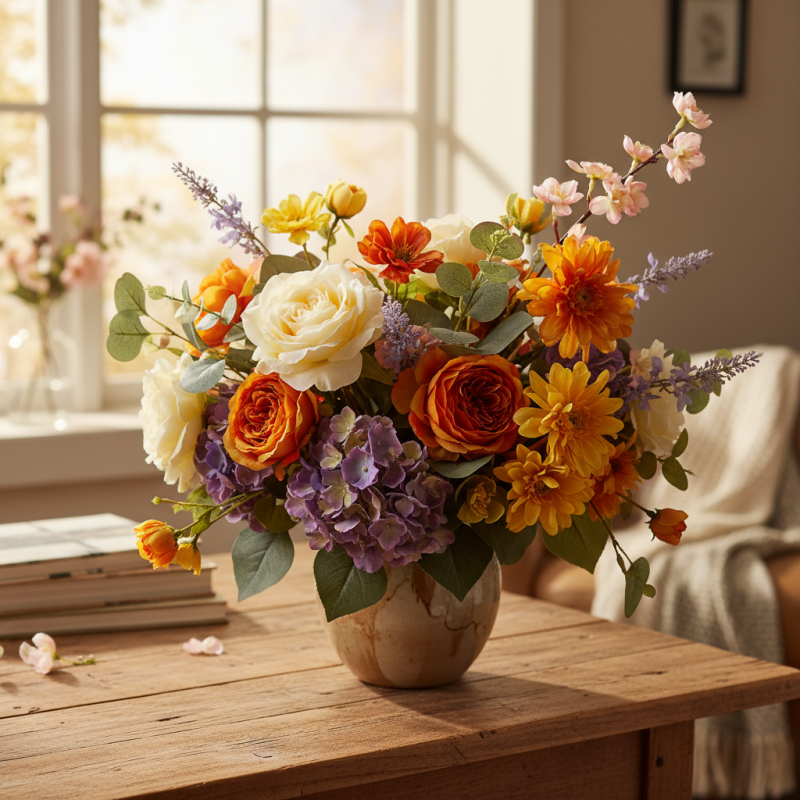
When selecting artificial flowers for home decor, different types offer unique benefits. Silk flowers are popular due to their realistic appearance. They can brighten up a room. However, they require occasional dusting. You'll want to think about where to place them. If you love vibrant colors, consider faux peonies or hydrangeas. These flowers can instantly enhance your living space.
For a rustic look, dried flowers are an excellent choice. They bring texture and warmth to any room. However, be mindful—they might not suit a modern aesthetic. For a contemporary feel, opt for plastic flowers. They come in various colors and styles, some resembling real blooms. They are low-maintenance but might lack that authenticity.
Ultimately, the choice depends on your style and the vibe you want to create. Mixing different types can add depth to your decor. But remember, balance is key. Overcrowding a space with florals can feel overwhelming. Take time to reflect on your selections and how they fit into your home.
How to Choose the Best Artificial Flowers for Your Home?
| Type of Artificial Flower |
Material |
Best Uses in Home Decor |
Maintenance Level |
| Silk Flowers |
Silk Fabric |
Bouquets, Centerpieces |
Low |
| Plastic Flowers |
Plastic |
Indoor and Outdoor Arrangements |
Very Low |
| Paper Flowers |
Paper |
Wall Decor, Crafts |
Medium |
| Polyester Flowers |
Polyester Material |
Bouquets, Flower Pots |
Low |
| Foam Flowers |
Foam Rubber |
Wedding Decor, Events |
Very Low |
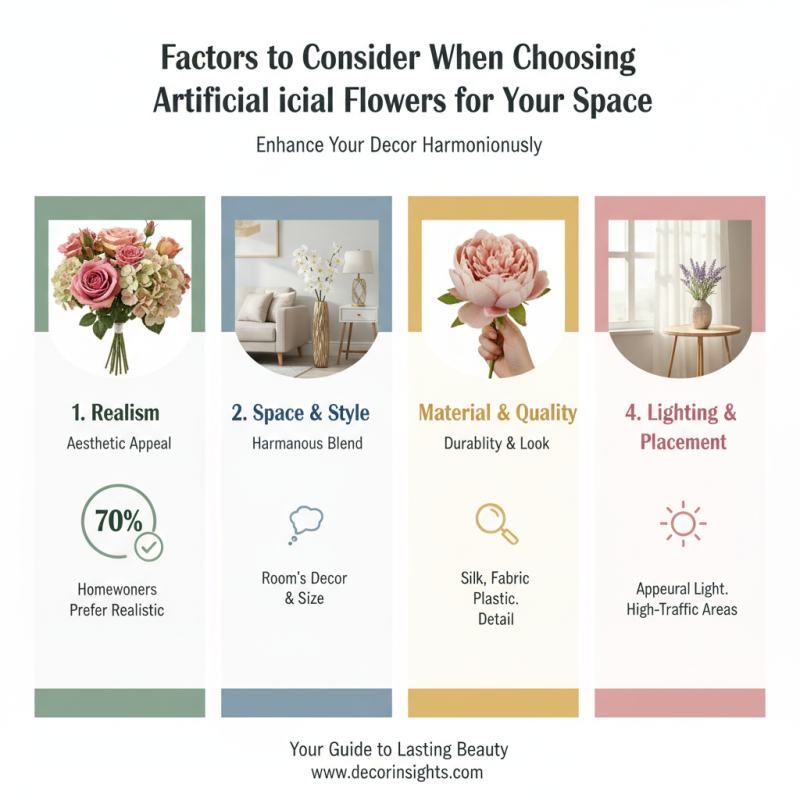
Factors to Consider When Choosing Artificial Flowers for Your Space
Choosing the right artificial flowers for your home can significantly enhance your decor. However, it’s essential to consider several factors to ensure a harmonious blend with your space. A recent report indicates that 70% of homeowners prefer realistic-looking artificial flowers for their aesthetic appeal.
One critical factor is color. Choose shades that complement your existing decor. For instance, pastel flowers suit a soft, minimalist look. Bright colors can energize a room. Pay attention to the materials used as well. Flowers made from silk tend to look more natural, but they may fade in sunlight.
Tips: Always measure the space before buying. A large bouquet can overwhelm a small room, while tiny flowers might get lost. Also, consider the upkeep. Higher-quality flowers can sometimes require a bit of dusting but will retain their beauty longer. Experiment with different placements and arrangements. You may not get it right the first time, and that’s okay. Finding the perfect fit often takes time.
Color Schemes: Matching Artificial Flowers with Interior Design
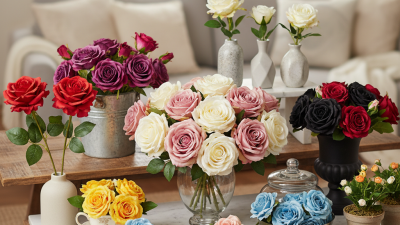
Choosing the right artificial flowers can greatly enhance your home’s aesthetic. One key factor is color matching. The colors of the flowers should complement your existing decor. For instance, bold colors like red and purple stand out in neutral spaces. Subtle hues like pastels work well with brighter walls.
Tips: Consider the color wheel. Opposite colors create vibrant contrasts. Nearby colors create harmony. This can guide your choices effectively.
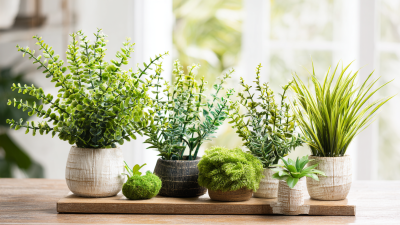
Texture is another detail to think about. Silks can add elegance, while faux succulents offer an organic touch. Mix different textures for a more dynamic look. It’s okay to experiment and make mistakes along the way.
Tips: Take samples home. Place them in various lighting to see how colors change. Sometimes, what looks great in the store doesn’t suit your space.
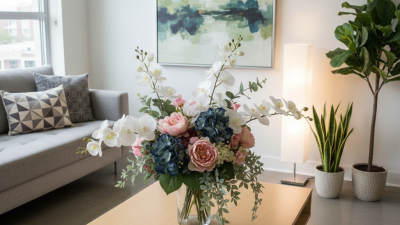
Placement matters too. Use clusters of flowers in one area to create a focal point. Quiet arrangements in corners can soften a room. Reflect on your choices. Does it feel balanced? Don’t hesitate to rearrange until you find the perfect fit.
Color Schemes: Matching Artificial Flowers with Interior Design
Quality and Material: How to Identify the Best Artificial Flowers
Artificial flowers have become popular for home decoration. Choosing the best quality is essential. Different materials used can vastly affect their appearance and durability. For example, silk and polyester are common materials. Reports indicate that silk flowers can look more realistic but may fade faster. In contrast, polyester options are more durable and resistant to wear but can appear less lifelike.
When selecting artificial flowers, consider the quality of the petals and leaves. High-quality flowers often have detailed textures and vibrant colors. Check for the presence of wires in stems. Sturdy wires can provide better shape and stability. Industry studies show that 70% of buyers prioritize durability when choosing these flowers.
Tips: Look for artificial arrangements that mimic real flowers in both color and size. Pay attention to the weight; heavier pieces often indicate better material. Lastly, try to visualize them in your space. Some people find that certain colors clash with their home decor. It’s vital to reflect on how the flowers will fit within the overall aesthetic.
Maintenance Tips for Keeping Artificial Flowers Looking Fresh and New
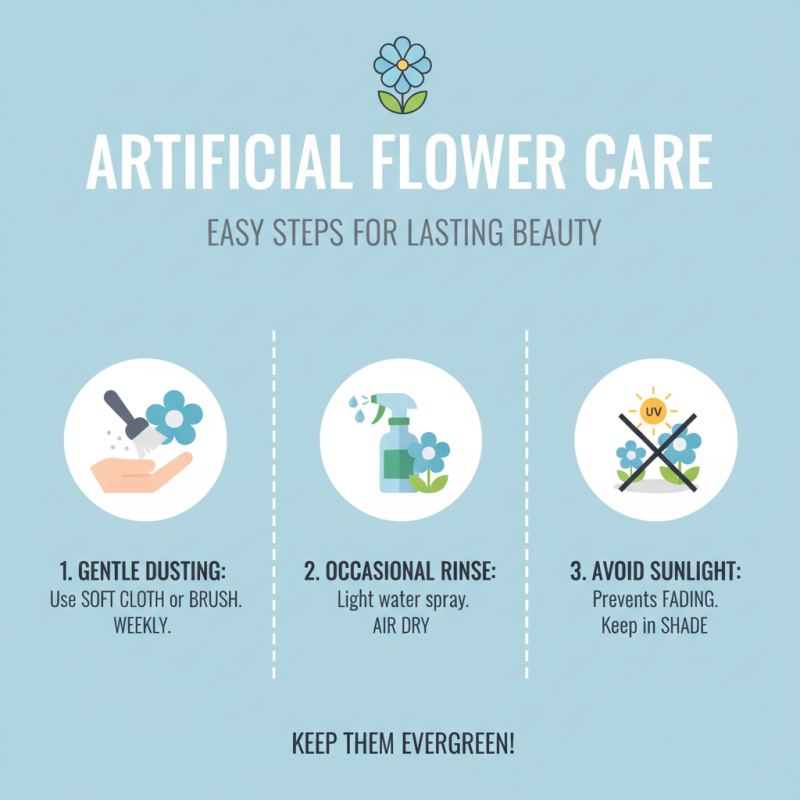
Artificial flowers can brighten up any space without the hassle of maintenance. To keep them looking fresh and vibrant, regular attention is needed. Dust tends to gather quickly. Use a soft cloth or brush to remove dirt and debris. This simple step can make a significant difference in appearance. It’s best to do this occasionally, but sometimes it’s easy to forget.
Be cautious with sunlight exposure. Over time, the colors may fade. Placing flowers in a well-lit area is great, but avoid direct sunlight. Also, consider the material of the flowers. Some synthetic fibers withstand light better than others. A good test is to observe any changes after a few weeks in the sun. If you notice fading, a different placement or flower type might be helpful.
Cleaning artificial flowers can sometimes be a chore. Occasionally, a deeper clean is necessary. Soak them in a gentle soap solution, then rinse. Make sure they dry completely to prevent mold. Even with proper care, flowers can lose their charm over time. Replace them when needed to keep the decor fresh.