10 Essential Tips for Successful Silk Flower Importing You Need to Know
The silk flower import industry has seen significant growth over the past decade, with market reports indicating a steady increase in demand for high-quality artificial flowers. According to a report by Market Research Future, the global artificial flower market, including silk flowers, is projected to reach $4.5 billion by 2025, highlighting the lucrative potential for importers in this field. Understanding the nuances of silk flower import is critical for those looking to succeed in this competitive market.
Industry expert, Dr. Emily Thornton, a noted figure in floral design and importation, emphasizes the importance of quality and sourcing: “The key to a successful silk flower import business lies not just in finding the best prices, but in acquiring products that meet customer expectations for realism and durability.” With this insight in mind, it becomes essential for importers to focus on quality control and market trends, ensuring that they can offer products that resonate with consumers while also keeping operational efficiency in check.
In navigating the complexities of silk flower import, businesses must be aware of various factors, including sourcing, shipping logistics, and market preferences. By implementing strategic practices and leveraging industry insights, importers can position themselves to capitalize on this growing market, ultimately leading to long-term success and sustainability.

Understanding the Silk Flower Market: Key Trends and Opportunities
The silk flower market has been experiencing significant growth, reflecting a shift in consumer preferences towards high-quality, long-lasting decorative products. As lifestyles become busier, many individuals and businesses are opting for silk flowers over fresh blooms due to their durability and low maintenance. This shift not only opens up opportunities for importers but also highlights the importance of understanding market trends, such as color preferences and seasonal demand variations.
One key trend is the increasing popularity of eco-friendly and sustainable products, even in the artificial flower sector. Consumers are more conscious about the environmental impact of their choices, leading to a demand for silk flowers made from recycled materials or produced through sustainable practices. Importers should focus on sourcing from suppliers who adhere to these eco-friendly principles to ensure they meet consumer expectations and tap into this growing market segment.
Additionally, leveraging digital marketing strategies to reach a broader audience can create further opportunities in both online retail and traditional storefronts, maximizing outreach in an evolving market landscape.
Identifying Reliable Suppliers for Silk Flower Imports
When venturing into silk flower importing, one of the most critical steps is identifying reliable suppliers. Start your search by evaluating potential suppliers through online platforms and trade shows that specialize in floral products. Look for vendors with positive reviews, established reputations, and a clear presence in the industry. Consider suppliers who provide transparency about their manufacturing processes, as this can indicate their commitment to quality and ethical practices.
Another important aspect is communication. Reach out to potential suppliers to assess their responsiveness and willingness to address your inquiries. A reliable supplier should offer clear, detailed answers about product specifications, pricing, and shipping options. Establishing a good rapport can also build trust, ensuring that they will be supportive as your business grows. Finally, request samples before placing any orders. This allows you to evaluate the quality of their products firsthand, helping you make an informed decision about who to partner with for your silk flower imports.
Navigating Import Regulations and Compliance for Silk Flowers
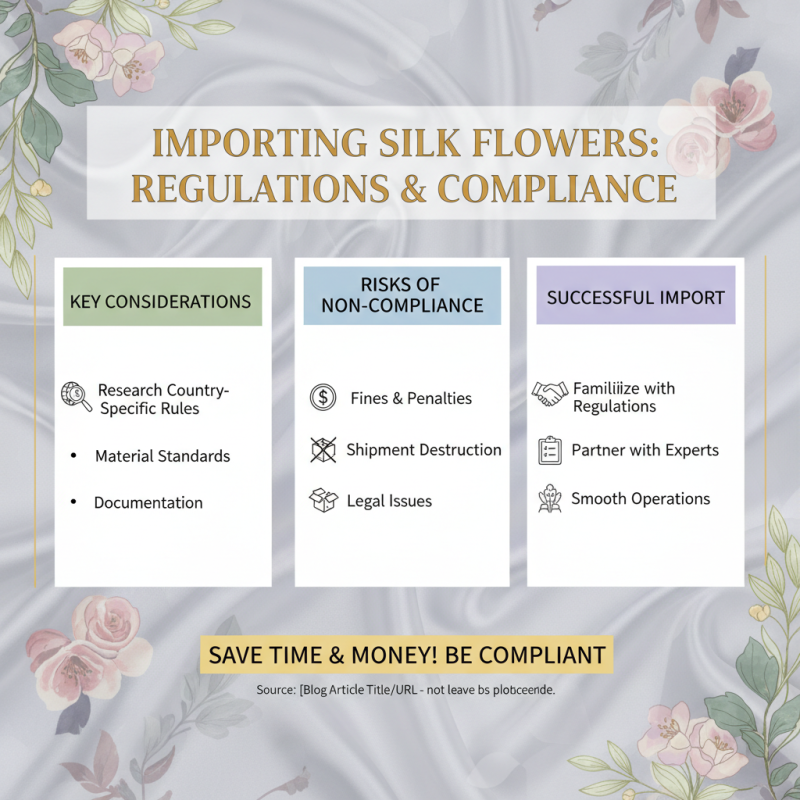
When importing silk flowers, understanding the regulations and compliance requirements is crucial for a successful business operation. Import regulations can vary significantly depending on the country of origin and the destination. It is essential to research and familiarize yourself with these specific regulations to avoid any legal complications. For instance, each country may have its own set of standards for the materials used in silk flowers, and failure to comply could result in costly fines or the destruction of your shipment.
In addition to material regulations, you must also be aware of customs documentation and tariffs that may apply to your imports. Preparing all necessary paperwork in advance—such as import permits, commercial invoices, and packing lists—can streamline the process and reduce delays at customs. Furthermore, maintaining compliance with any labeling requirements is vital; this includes accurate descriptions of the product and proper country of manufacture information. By prioritizing these aspects, you can ensure a smoother importing process and position your business for successful entry into the market.
Effective Pricing and Budgeting Strategies for Importing Silk Flowers
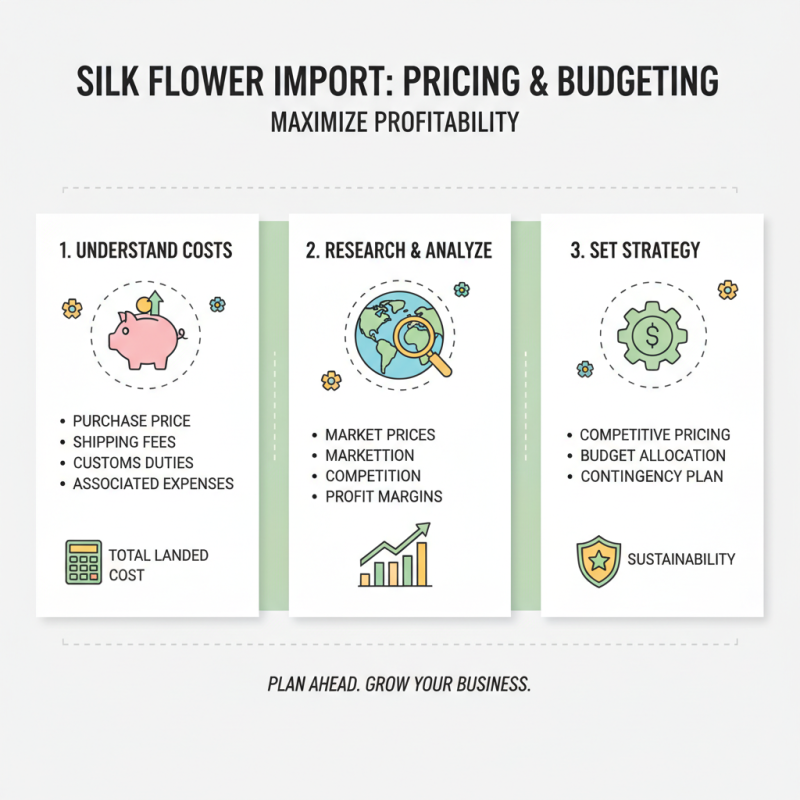
When it comes to importing silk flowers, effective pricing and budgeting strategies are essential for ensuring profitability and sustainability. Understanding your costs upfront can save you from potential financial pitfalls. Start by conducting thorough research on the total landed cost, which includes the purchase price, shipping fees, customs duties, and other associated expenses. This will give you a comprehensive view of what to expect and help you set competitive prices.
One crucial tip is to establish a clear budget before you make any purchases. Outline all the costs associated with importing silk flowers, including transportation and warehousing. Allocate a contingency fund for unforeseen expenses that may arise during the customs clearance process. Additionally, consider negotiating bulk pricing with suppliers, as this can significantly lower your overall cost per unit. By leveraging discounts and maintaining clear communication with your suppliers, you can enhance your profit margins.
Lastly, keep track of market trends and consumer preferences. Regularly assess the demand for various silk flower styles and colors to adjust your inventory accordingly. This will enable you to avoid overstocking and reduce risk. Monitoring industry trends and pricing fluctuations can also guide your pricing strategy, ensuring that you remain competitive while maximizing your returns.
Marketing and Selling Imported Silk Flowers Successfully
When it comes to marketing and selling imported silk flowers, creating a strong brand identity is key. Customers are typically attracted to a brand that tells a story, highlighting the quality and craftsmanship of the flowers. Use social media platforms to share behind-the-scenes footage of the importing process, showcasing the vibrant colors and realistic textures of your silk flowers. Engaging content, such as tutorials on flower arrangements or tips on using silk flowers for home décor, can also position your brand as an expert in the field, drawing in potential buyers and boosting trust.
Additionally, establishing partnerships with local florists or event planners can significantly enhance your market reach. Consider offering samples or special promotions that encourage these professionals to incorporate your silk flowers into their projects. Collaborating with influencers within the home and lifestyle niche can also amplify visibility. By leveraging these relationships and incorporating testimonials from satisfied customers, you not only broaden your audience but create a community around your product, thus increasing the likelihood of repeat business and referrals. Focus on building these connections to create lasting customer relationships that go beyond a single transaction.
10 Essential Tips for Successful Silk Flower Importing You Need to Know
| Tip Number |
Tip Description |
Benefits |
| 1 |
Research Quality Suppliers |
Ensures product quality and reliability. |
| 2 |
Understand Import Regulations |
Avoids legal issues and fines. |
| 3 |
Focus on Unique Designs |
Helps to differentiate from competitors. |
| 4 |
Build Strong Relationships with Suppliers |
Leads to better pricing and support. |
| 5 |
Utilize Effective Marketing Strategies |
Increases visibility and sales. |
| 6 |
Evaluate Pricing Strategies |
Maximizes profit margins. |
| 7 |
Understand Your Target Market |
Enhances product relevance and appeal. |
| 8 |
Attend Trade Shows |
Provides networking and trend insights. |
| 9 |
Implement Quality Control Measures |
Ensures consistent product quality. |
| 10 |
Leverage Online Sales Channels |
Expands customer reach and sales opportunities. |