Top Faux Flowers Trends for 2026 What Buyers Need to Know
In 2026, faux flowers will capture the attention of buyers seeking lasting beauty. This trend reflects a desire for sustainable, low-maintenance decor. Faux flowers will mimic nature’s finest details.
As consumers embrace eco-friendly choices, faux flowers offer an attractive option. They add color and style without harming the environment. High-quality faux blooms look incredibly realistic. This creates an inviting atmosphere in homes and businesses alike.
However, selecting the right faux flowers can be challenging. With so many options, buyers need to be informed. It’s essential to choose materials that are durable and visually appealing. While some may lean towards cheaper options, investing in quality makes a difference. Faux flowers should enhance spaces, not detract from them.
Emerging Designs: Key Faux Flower Trends to Anticipate in 2026
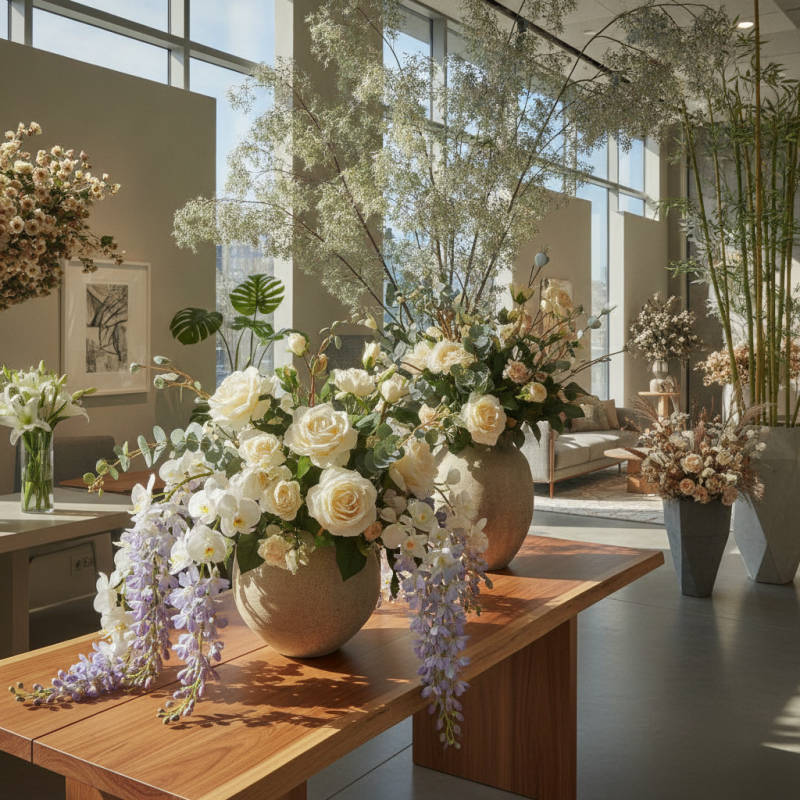
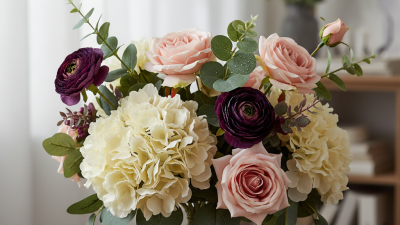
As we look ahead to 2026, faux flowers continue to evolve with exciting trends. One significant change is the shift towards more realistic textures and finishes. Buyers can expect innovations in materials that replicate the delicate appearance of real petals and leaves. The contrast between glossy and matte finishes creates depth. People may find themselves drawn to these subtleties, enhancing their home decor.
Local flora-inspired designs are also emerging. This trend reflects a growing appreciation for native plants, with arrangements featuring local varieties. Think muted colors and earthy tones that mimic regional landscapes. It’s an opportunity to celebrate your environment through decor. You might consider experimenting with these palettes in your arrangements.
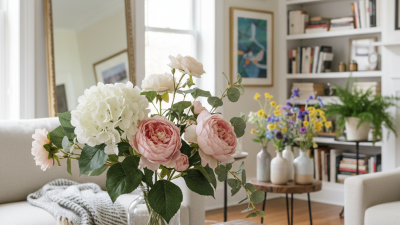
Tips to consider: Choose faux flowers that offer a variety of textures for added interest. Mix different shades and sizes to create a more dynamic arrangement. Remember, it's okay to choose pieces that may not perfectly match. Embrace the beauty in imperfection. This can lead to unexpected and creative home decor. Don't hesitate to change arrangements seasonally for a fresh look.
Top Faux Flowers Trends for 2026
Materials Matter: The Evolution of Faux Flower Fabrics and Textures
The world of faux flowers is undergoing significant transformation, particularly in the materials used. Historically, silk was the go-to fabric. However, advancements have led to more diverse options. Today, consumers can choose from polyester blends, latex, and even recyclable materials. Each material offers unique textures and lifelike appearance.
Textures are evolving, too. Many faux flowers now mirror the delicate veins of real petals. Innovations in manufacturing allow for realistic shading and intricate details. This helps create arrangements that are not just beautiful but also convincing. Buyers often seek these nuanced features, making realism a key trend.
Yet, not all faux flowers maintain high standards. Sometimes, the cheaper materials can feel stiff and less authentic. It's crucial for buyers to examine the quality carefully. A vibrant arrangement should feel as good as it looks. The right balance of texture, color, and material is essential for authenticity. As the industry evolves, staying informed will help buyers make wiser choices.
Color Palettes for 2026: What’s Hot in Faux Flower Arrangements
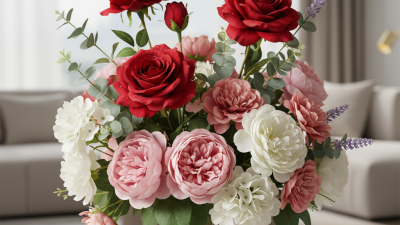
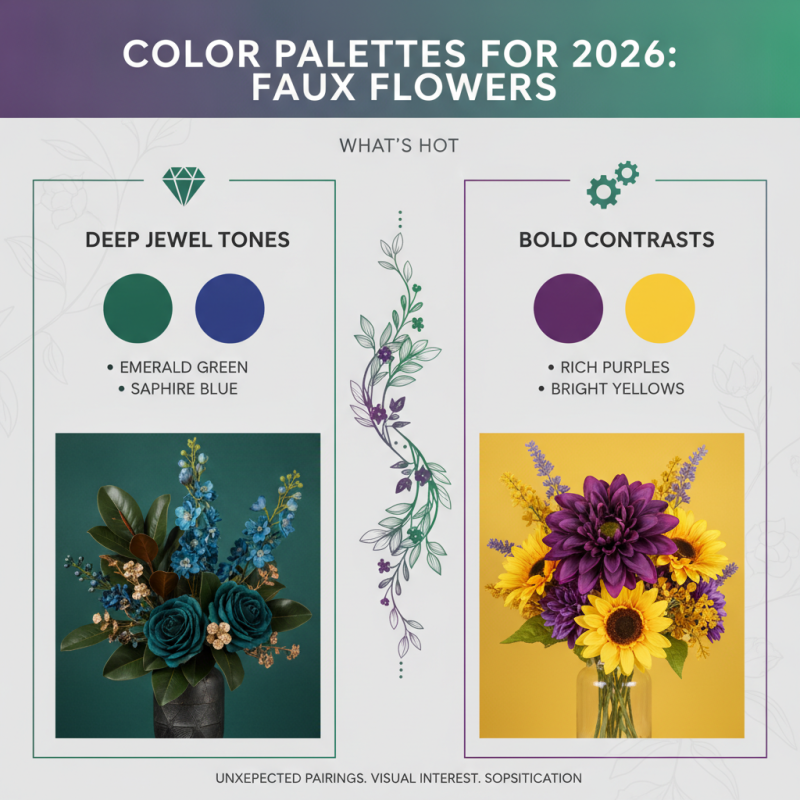
As we approach 2026, faux flower arrangements are experiencing a vibrant transformation. Color palettes are shifting towards bold and unexpected combinations. Deep jewel tones like emerald green and sapphire blue are becoming increasingly popular. These colors add depth and sophistication to any arrangement. Imagine a mix of rich purples with bright yellows. This unexpected pairing creates visual interest and draws the eye.
In addition to bold colors, softer pastels will also make a significant impact. Shades of blush and lavender will dominate the scene. They evoke a sense of calm and elegance. Incorporating neutral tones, like beige and grey, can help balance these lively hues. This contrast allows the bold colors to pop while maintaining a harmonious feel.
However, some trends may seem impractical. For instance, overly intricate designs may not always resonate with buyers. Simplicity can often speak volumes in the world of faux florals. It’s essential to strike a balance between creativity and functionality. Consumers should embrace both classic and innovative ideas while being open to experimentation. The trend for customized arrangements signals a shift towards personalization.
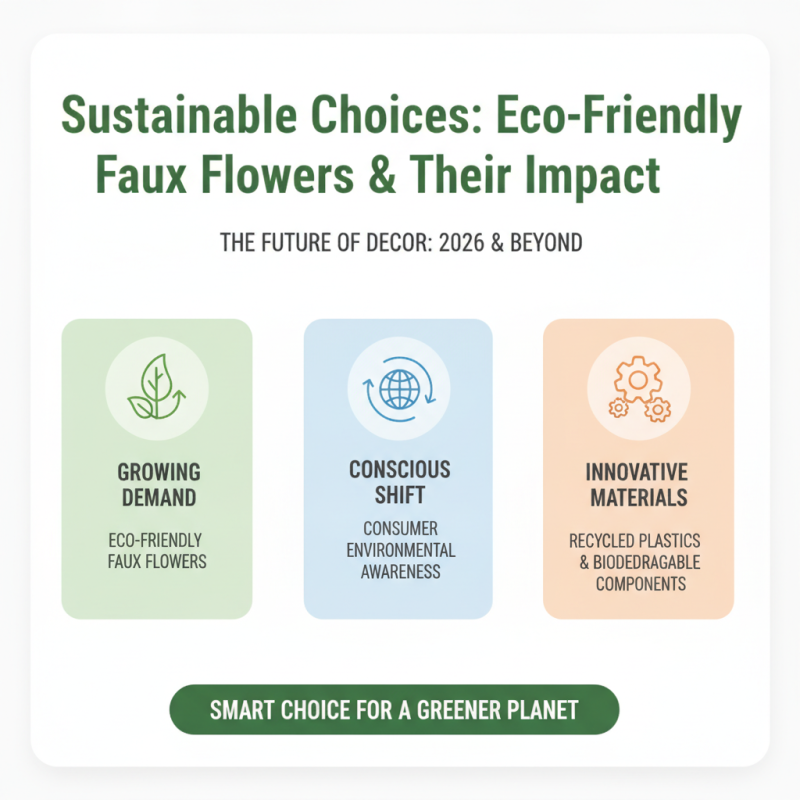
Sustainable Choices: Eco-Friendly Faux Flowers and Their Impact
As we look toward 2026, the demand for sustainable and eco-friendly faux flowers is rapidly growing. Consumers are becoming increasingly aware of their impact on the environment. This conscious shift is driving brands to develop innovative, sustainable materials for faux flowers. By using recycled plastics and biodegradable components, these products are becoming a smart choice for eco-conscious buyers.
When considering faux flowers, think about the materials used. Look for options made from recycled materials. These can be just as beautiful and lifelike as traditional flowers. Opting for eco-friendly alternatives demonstrates a commitment to sustainability. You'll not only enhance your decor but also contribute to a healthier planet.
Tips for choosing sustainable faux flowers: Check for certifications that indicate eco-friendly practices. Look for brands that prioritize transparency in their sourcing. Understand that cheaper options may not always be sustainable. It’s essential to research the companies behind the products. This extra effort ensures that your choices align with your values. The market is evolving, and it’s important to remain informed.
Tips for Selecting Faux Flowers: A Guide for Savvy Buyers in 2026
In 2026, faux flowers continue to gain popularity. More buyers recognize their versatility and practicality. According to the latest industry report, the faux flower market is expected to grow by 25% over the next three years. This growth is driven by innovations in design and material.
When selecting faux flowers, buyers should focus on realism. Fabrics that mimic natural textures are essential. For instance, silk and polyester blends provide a life-like appearance, making them more appealing in home decor. Another study shows that 70% of consumers prefer faux arrangements that closely resemble real flowers. Paying attention to color and detail can make or break your choice.
Quality should never be compromised. While some products may appear affordable, they can lack durability. Investing in higher-quality faux flowers pays off in longevity and aesthetics. Feel free to question the materials used and their environmental impact. Engaging with manufacturers about their practices can lead to more informed decisions. The right faux flowers enhance spaces without the maintenance of real ones.