What are Imitation Plants and How to Choose Them?
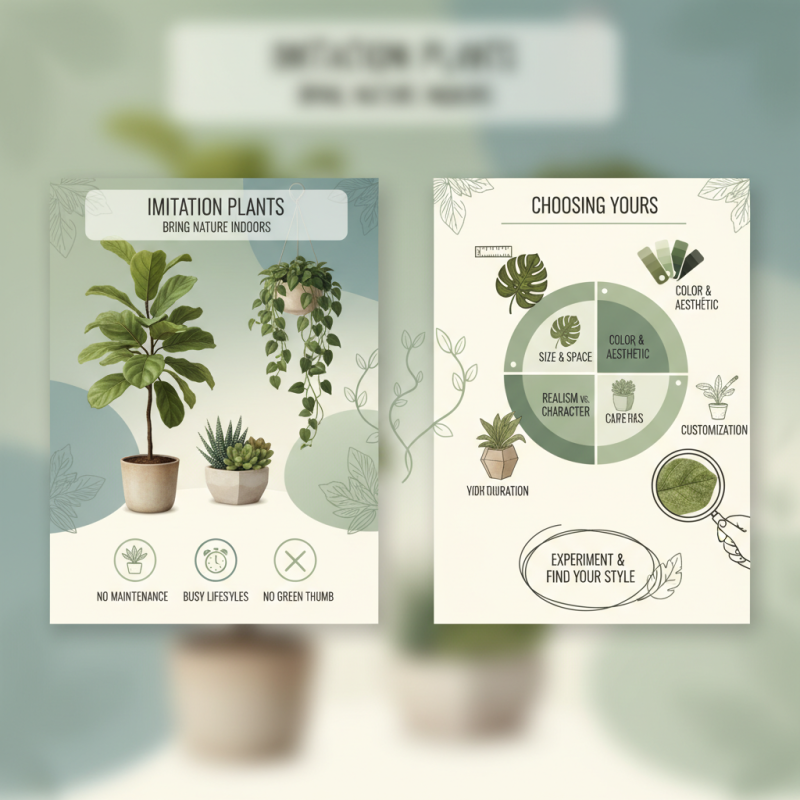
Imitation Plants have become increasingly popular in home decor. These lifelike replicas bring a touch of nature indoors without the maintenance. They offer an easy solution for busy lifestyles or those lacking a green thumb.
Choosing the right imitation plants can be challenging. Consider factors like size, color, and the space where you will place them. Some may look overly artificial, while others capture intricate details. It's crucial to reflect on what suits your aesthetic.
For those seeking a personal touch, some imitation plants can even be customized. Remember, perfection is not always the goal. An imperfect plant can add character to a room. Experiment with different styles to find what resonates most with you.
What Are Imitation Plants?
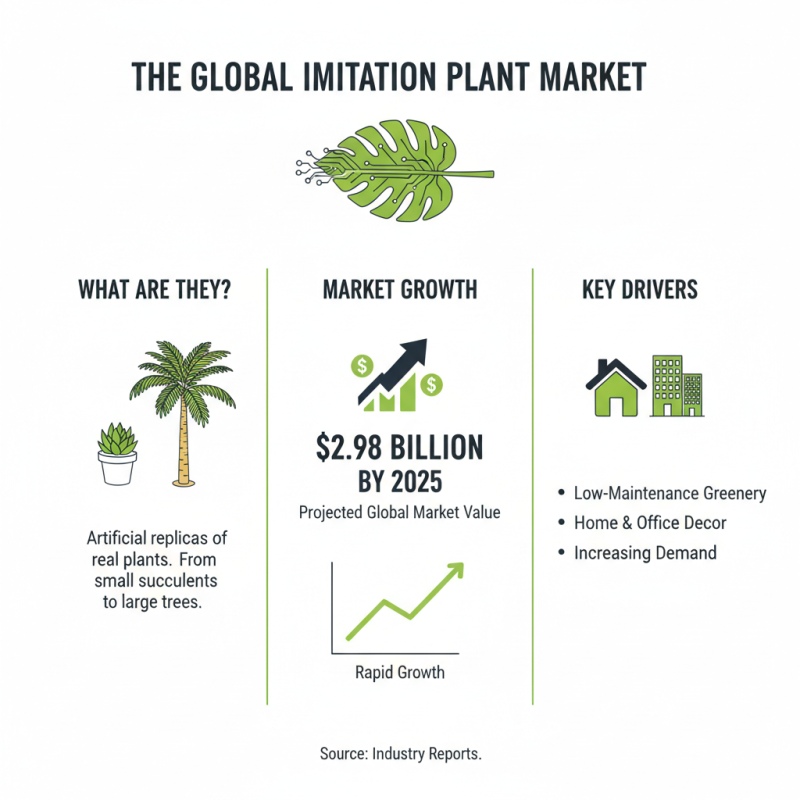
Imitation plants are artificial replicas designed to mimic real foliage. They come in various forms, from small succulents to large tree replicas. The global market for these products is growing rapidly, projected to reach $2.98 billion by 2025, according to industry reports. This growth is due to increasing demand for low-maintenance greenery in homes and offices.
Many people choose imitation plants for their convenience. Unlike real plants, they do not require watering, sunlight, or special care. However, they can lack authenticity. Some buyers struggle to find a balance between appearance and realism. A study by the National Association of Landscape Professionals highlights that nearly 40% of consumers prefer lifelike options, indicating a strong desire for quality in design.
Texture and color are crucial when selecting imitation plants. The more true-to-life the details, the more convincing the plant appears. However, some products still fail to capture the intricate nuances of real plants. People might find themselves reflecting on whether appearance or maintenance is their priority. Choosing well can enhance interior spaces without the fuss of real greenery.
Types of Imitation Plants Available in the Market
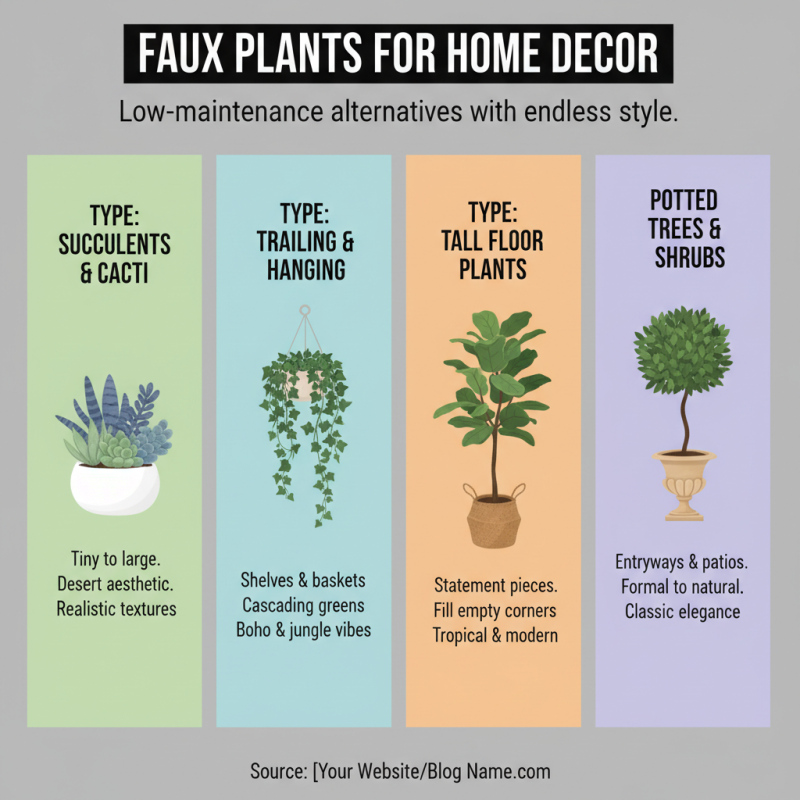
Imitation plants are becoming increasingly popular in home decor. They offer a low-maintenance alternative to live plants. With so many types available, choosing the right one can be tricky. Here are some common types of imitation plants to consider.
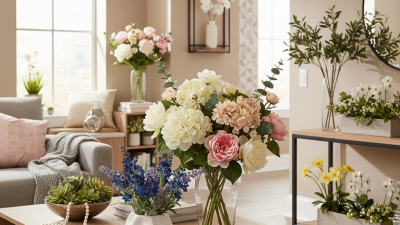
Silk plants are very realistic and often used in homes and offices. They come in various shapes and sizes. However, their sheen can sometimes appear unnatural under certain lighting. If you want a vibrant touch, choose colorful ones. Plastic plants are another option. They are durable and often more affordable. But their lack of detail might be unappealing to some.
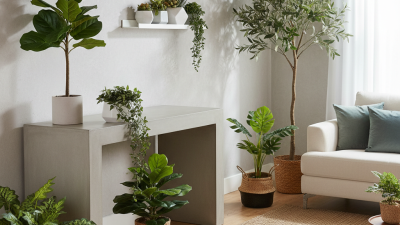
Succulent replicas are trendy and fit well in modern decor. They are compact and require little care. But, finding high-quality ones that don’t look fake can be challenging. Faux trees, like ficus or palm, create a dramatic effect in a space. Still, their size can overwhelm a small room. Be mindful of scale when selecting. It's essential to pick plants that align with your style.
Benefits of Using Imitation Plants in Home Decor
Imitation plants are a popular choice for home decor. They require no watering, sunlight, or soil. This makes them ideal for busy lifestyles. You can place them anywhere, from the living room to the bedroom. Their vibrant colors can brighten any space, making it feel lively. Some may argue that they lack authenticity. Yet, their low-maintenance appeal is undeniable.
Using imitation plants offers various benefits. They are perfect for people with allergies. Real plants can trigger reactions, but imitation ones do not. Additionally, they can last for years without wilting. This durability might tempt you to cover every surface. Moderation is key here. A few well-placed pieces often look better than overcrowding a space. Maybe think about what feels right for your home.
Choosing the right imitation plants requires some thought. Consider the size and style that suits your decor. A large fiddle leaf fig might fit in a spacious room. Tiny succulents could enhance a desk or shelf. Remember, too many can feel overwhelming. It might be wise to experiment with different placements. This approach can clarify what works best for you.
What are Imitation Plants and How to Choose Them? - Benefits of Using Imitation Plants in Home Decor
| Type of Imitation Plants |
Material |
Benefits |
Best Locations |
| Silk Flowers |
Silk, Plastic |
Lifelike appearance, No watering needed |
Living Room, Bedroom |
| Artificial Succulents |
Plastic, Resin |
Low maintenance, Great for small spaces |
Office, Kitchen |
| Faux Trees |
Polyester, Wire |
Adds height and greenery, Easy to move |
Entryway, Large Rooms |
| Decorative Greenery |
Plastic, Fabric |
Enhances decor, Variety of styles |
Dining Room, Living Spaces |
| Hanging Plants |
Plastic, Fabric |
Saves space, Creates visual interest |
Bathrooms, Covered Patios |
Factors to Consider When Choosing Imitation Plants
When choosing imitation plants, several factors come into play. One crucial aspect is the material. Different materials have varying durability and realistic appearances. Look for options like silk or plastic that mimic real foliage well. A soft texture often feels more lifelike. Additionally, consider the purpose of the plant. Will it beautify a room or serve as a backdrop in a photo? Identifying its role will guide your selection.
Another key factor is size. A large faux plant can serve as a focal point in a space, drawing attention immediately. Conversely, smaller plants work well as accents on shelves or tables. Think about the scale in relation to your decor. Color is also vital. Choose colors that complement your existing palette. Avoid overly bright or unnatural hues. Plants should blend seamlessly into your environment, creating a cohesive look.
Lastly, examine the maintenance aspect. A significant benefit of imitation plants is the low upkeep. However, dust can accumulate, requiring occasional cleaning. It's worth investing time in a good cleaning routine. After all, no one wants their beautiful plants to look neglected. Consider how much effort you’re willing to invest in keeping them fresh. These elements will help you in selecting the perfect imitation plants for your space.
Tips for Maintaining and Cleaning Imitation Plants
Imitation plants offer the appeal of greenery without the hassle of maintenance. However, they still require care to keep them looking fresh. Cleaning these plants is an essential step. Dust tends to accumulate on their surfaces, dulling their appearance. Use a soft cloth or a gentle brush to remove dust. This simple act can enhance their visual impact instantly.
Sometimes, water or cleaning solutions can be used. Lightly dampen the cloth, avoiding any excess moisture. Too much water may damage imitation plants, leading to fading or distortion. Pay attention to the specifics. The material matters; some imitate real life better than others. A few will require more effort to clean, while others can withstand a quick wipe.
Maintaining their placement is also vital. Ensure they are not exposed to direct sunlight for long periods. This can cause colors to fade. Spot-check for signs of wear and tear regularly. If they become tangled or misshapen, take time to reposition the leaves or flowers. Embrace the imperfections; small flaws can add character and charm to your space.
Imitation Plants Maintenance and Cleaning Guide