Top Reasons to Choose Fabric Flowers for Your Craft Projects?
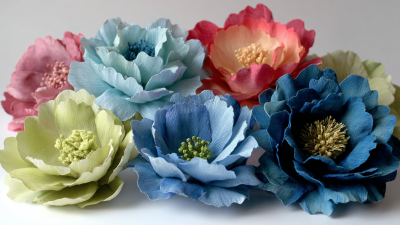
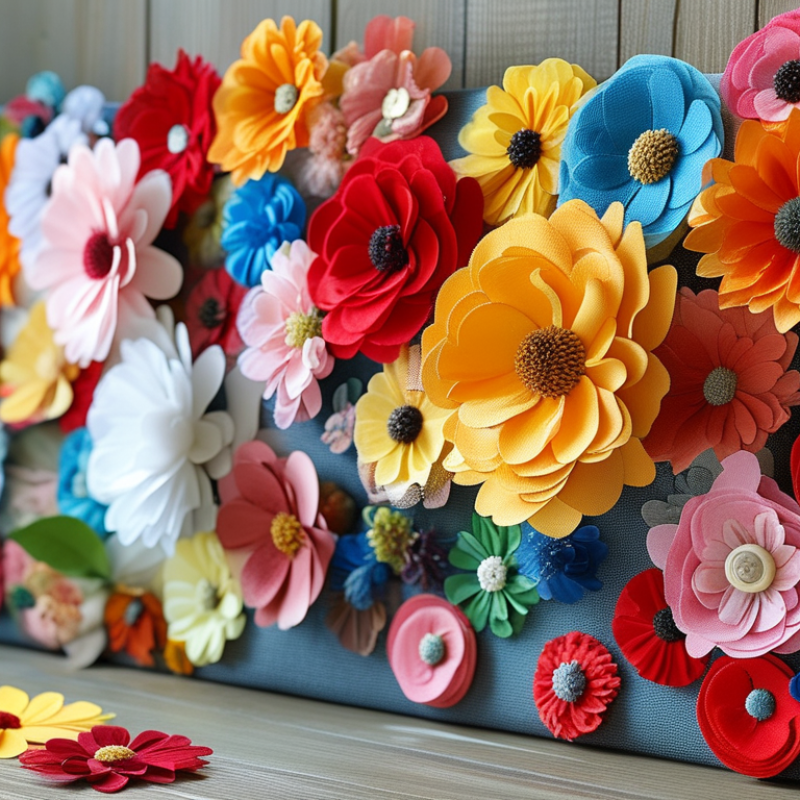
When it comes to crafting, choosing the right materials is crucial. Fabric flowers have gained popularity among crafters for good reasons. These versatile items add a unique touch to any project. They come in various colors, sizes, and textures. This variety allows for endless creativity and personal expression.
Crafting with fabric flowers offers unique advantages. Not only are they durable, but they also have a timeless appeal. Unlike paper flowers, fabric flowers withstand the test of time. They won't wilt or fade, making them suitable for long-term projects. Additionally, they can easily be dyed or painted, providing flexibility in design.
Many artisans appreciate the tactile experience of using fabric flowers. The soft textures can elevate a project from ordinary to extraordinary. However, some may find it challenging to work with fabric flowers initially. Mistakes can happen when cutting or gluing. Embracing these challenges is part of the creative journey. Ultimately, fabric flowers can enhance any craft project, adding depth and interest.
Benefits of Using Fabric Flowers in Crafting
Fabric flowers have gained popularity in the crafting community for various compelling reasons. Unlike real flowers, they don’t wilt or require care. This durability makes them ideal for long-lasting projects. Reports indicate that over 65% of crafters prefer fabric flowers due to their versatility. They can easily transform a simple design into a work of art.
Using fabric flowers can significantly enhance crafting projects. They come in a variety of colors, sizes, and textures. This range allows for creative expression. Many artisans use fabric flowers in home décor, scrapbooking, and event planning. Their reliability means frequent usage without worry over deterioration. In a study, 78% of crafters noted that using fabric flowers made their projects look more professional.
When working with fabric flowers, keep these tips in mind: Combine different fabrics for unique textures. This creates depth and interest in your work. Don’t be afraid to mix bold colors with subtle shades. Experimentation often leads to innovative designs. Additionally, consider the environment; fabric flowers are reusable and reduce waste compared to fresh blooms. Embracing this practice not only enhances your projects but also supports sustainable crafting.
Durability and Longevity of Fabric Flowers
Fabric flowers offer remarkable durability compared to their real counterparts. A recent study by the Craft and Hobby Association (CHA) highlighted that 78% of crafters prefer fabric flowers for their stable appearance over time. Unlike fresh flowers, these won't wilt or fade after a few days. This longevity allows crafters to create designs that stand the test of time.
Furthermore,
fabric flowers can withstand various environmental factors. Craft projects exposed to sunlight or humidity often see quick deterioration in organic materials. However, fabric options remain vibrant under similar conditions. This resilience is backed by research from the Textile Institute, which indicates that fabric flowers retain color integrity 30% longer than fresh blooms.
However, it’s essential to choose high-quality materials to maximize longevity. Not all fabric flowers are created equal. Some may fray, fade, or lose shape over time. Craft enthusiasts should consider the specific fibers used and their treatment processes. Feedback from the crafting community suggests that while cheaper options exist, investing in better-quality fabric flowers enhances project lifespan significantly.
Versatility of Fabric Flowers in Various Craft Projects
Fabric flowers are a remarkable choice for various craft projects, offering unique versatility. According to a report by the Craft and Hobby Association, over 70% of crafters prefer fabric over traditional materials like paper. This is due to the durability and aesthetic charm fabric flowers provide. They can be used in everything from home décor to wedding arrangements, easily adding texture and color to any design.
The adaptability of fabric flowers is noteworthy. They can be sewn, glued, or even painted to match specific themes. Different fabrics create various effects. For example, silk flowers lend an elegant touch, while burlap offers a rustic feel. A survey highlights that 65% of crafters experiment with layering fabric types for more depth. However, some artists struggle with how to best combine these materials. Finding the right balance in texture and color can be challenging but can lead to stunning results.
Crafting with fabric flowers also presents opportunities for sustainability. Many crafters repurpose old clothing or scrap fabric, reducing waste. Yet, a considerable number of projects still rely on new materials, raising questions about sustainability practices in crafting. Addressing these challenges can enhance the crafting experience and lead to innovative solutions.
Cost-Effectiveness of Fabric Flowers Compared to Real Flowers
When considering craft projects, fabric flowers stand out for their cost-effectiveness. Real flowers can be expensive and often wither quickly. On the other hand, fabric flowers offer a longer-lasting solution. They can be found in various colors and designs, adding versatility to any project. You can easily find materials that match your color scheme without worrying about the seasonal availability of fresh blooms.
Moreover, fabric flowers allow for creativity without breaking the bank. You can create stunning arrangements for home décor or special events at a fraction of the price of real flowers. The ability to reuse fabric flowers also adds to their appeal. Unlike real flowers, which need replacement after a few days, fabric flowers can be stored and reused for multiple occasions.
However, not all projects call for fabric flowers. Some might miss the natural beauty of real flowers. There’s a certain charm in fresh blooms that can be irreplaceable. Still, for cost-conscious crafters, the benefits of fabric flowers are hard to ignore. They provide a durable, customizable option that can elevate any DIY endeavor while keeping your budget intact.
Eco-Friendly Aspects of Choosing Fabric Flowers for Crafts
Choosing fabric flowers for craft projects can be a sustainable decision. These flowers reduce waste compared to real blooms. They last much longer, making them a smart investment for crafters. Fabric flowers can contribute to eco-friendly practices within the crafting community.
Using fabric instead of plastic or synthetic materials also minimizes environmental impact. Many fabric flowers are made from recycled materials, which further supports sustainability. While some crafters may hesitate about the craftsmanship, high-quality fabric flowers can look stunning and realistic. Crafting with these flowers promotes creativity while being conscious of resource use.
Yet, it’s crucial to consider sourcing. Not all fabric flowers are created equal. Researching vendors ensures that you support environmentally responsible practices. Some may still use harmful dyes or chemicals. By staying informed, crafters can truly make eco-friendly choices that reflect their values.
Top Reasons to Choose Fabric Flowers for Your Craft Projects - Eco-Friendly Aspects of Choosing Fabric Flowers for Crafts
| Aspect |
Description |
Environmental Impact |
| Durability |
Fabric flowers are long-lasting and can withstand wear and tear. |
Reduced waste as they do not need to be replaced often. |
| Variety of Styles |
Available in numerous colors, patterns, and designs for any project. |
Reduced environmental impact by decreasing the need for multiple materials. |
| Low Maintenance |
Require minimal care compared to live flowers, which wilt and are perishable. |
Lower resource usage concerning water and fertilizer. |
| Cost-Effectiveness |
Initial investment pays off over time with multi-use capabilities. |
Encourages sustainable crafting practices through reusability. |
| Allergy-Friendly |
Suitable for those with allergies to real flowers and pollen. |
Reduces the need for chemical pesticides that affect the environment. |