Top 10 Artificial Flowers Leaves for Global Buyers Guide?
Artificial Flowers Leaves have become increasingly popular in home decor and arrangements. They offer a low-maintenance alternative to real foliage. With a wide range of styles, colors, and textures available, these decorative pieces can enhance any space. Global buyers often seek quality, durability, and aesthetic value when selecting artificial flowers leaves.
The market is filled with options, but not all artificial foliage meets the same standards. It's crucial to identify which products provide authenticity and longevity. Many consumers struggle with the abundance of choices. A well-informed decision can make all the difference. The right artificial flowers leaves can elevate the ambiance of a room and provide year-round beauty.
Quality varies across manufacturers, making research essential. Each choice reflects personal taste and design intent. Investing time to explore different options can lead to better outcomes. Remember, an informed buyer is a satisfied buyer. By understanding the importance of quality in artificial flowers leaves, you can enhance your decor effortlessly.
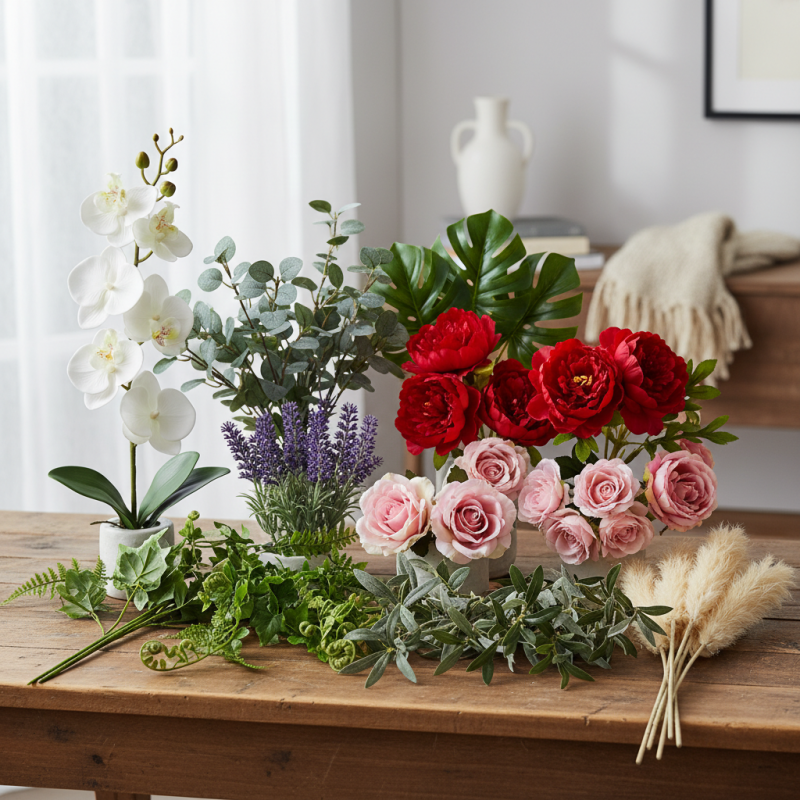
Introduction to Artificial Flowers and Leaves
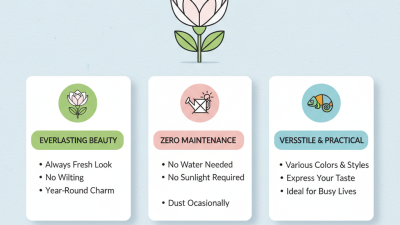
Artificial flowers and leaves have gained popularity for various reasons. They add beauty to spaces without the hassle of maintenance. Unlike real plants, they do not need watering or sunlight. This quality makes them a preferred option for many. They are perfect for busy lifestyles.
When choosing artificial flowers, consider the material. Some may look realistic while others appear cheap. Additionally, colors can fade over time. Select items made from high-quality fabrics. These will last longer and retain their appearance.
Tips: Always touch the flowers in-store if possible. This will help you gauge their texture and realism. Also, avoid overstuffed arrangements. A sparse design often appears more natural.
Don't overlook placement. Artificial flowers can look great in various settings, but placement matters. Overcrowding a space can lead to an artificial look. Choosing the right vase also enhances their appeal. Remember, even the best flowers need a thoughtful display to shine.
Top 10 Artificial Flowers Leaves - Global Buyers Guide
| Product Name |
Material |
Color Options |
Dimensions |
Usage |
| Silk Rose Leaves |
Silk |
Green, Dark Green |
3-6 inches |
Bouquets, Arrangements |
| Faux Fern Leaves |
Plastic |
Green |
8-10 inches |
Home Decor, Themed Events |
| Artificial Lavender Stems |
Polyester |
Purple, Blue |
15-20 inches |
Weddings, Aromatic Displays |
| Silk Peony Blooms |
Silk |
Pink, White, Red |
5-8 inches |
Centerpieces, Gift Presentations |
| Taxidermy Style Eucalyptus |
Plastic |
Green, Gray |
6-12 inches |
Boho Style Decor, Interiors |
| Dried Flower Look |
Fabric |
Muted Colors |
4-10 inches |
Vintage Decorations |
| Hanging Ivy Vines |
Plastic |
Green |
30-40 inches |
Hanging Decor, Parties |
| Orchid Buds |
Silk |
White, Pink |
5-7 inches |
Bouquets, Home Decoration |
| Succulent Arrangements |
Plastic |
Mixed Colors |
4-12 inches |
Table Centerpieces, Home Decor |
Factors to Consider When Choosing Artificial Flowers
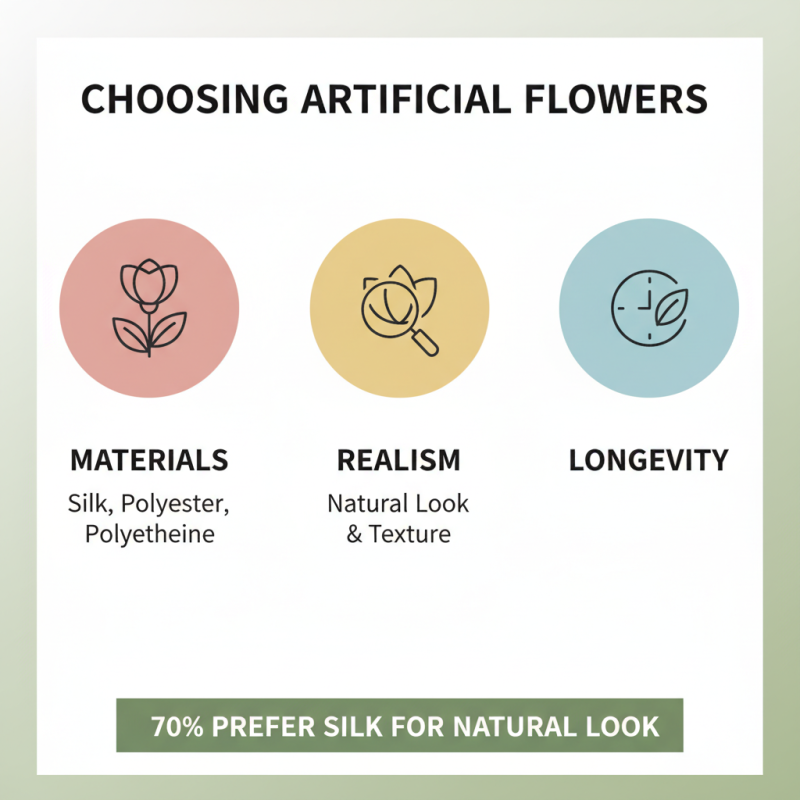
When selecting artificial flowers, several key factors play a vital role. The materials used in production can significantly affect both realism and longevity. Common materials include silk, polyester, and polyethylene. According to a market report, approximately 70% of consumers prefer silk for its natural look and texture. This reflects a demand for high-quality options that mimic real plants closely.
Color fastness is another important consideration. Many buyers underestimate how fading can impact aesthetics. Research shows that around 40% of artificial foliage fades within two years when exposed to sunlight. Selecting UV-resistant options is crucial, especially for items displayed outdoors. Texture also contributes to realism. A tactile experience can enhance the visual impression. Many buyers may overlook this, but the right texture can elevate decor.
Additionally, the overall design should align with purpose. For example, floral arrangements for events necessitate different styles compared to home decor. According to industry insights, over 60% of professionals emphasize varying sizes and shapes for optimal impact. Getting this detail right can seem challenging, but creative arrangements can mitigate this. Reflecting on these aspects ensures a thoughtful selection process that is both rewarding and practical.
Top Quality Materials Used in Artificial Flower Manufacturing
When it comes to artificial flowers, the choice of materials greatly impacts their appearance and durability. High-quality artificial leaves often utilize polyethylene (PE) and polyester (PES) as their primary components. According to a report from Smithers Pira, the global market for artificial flowers and foliage is expected to reach approximately $3.5 billion by 2025. This growth is largely driven by consumers' increasing preference for low-maintenance decorative options.
Manufacturers prioritize realistic designs to enhance beauty and appeal. Many use color-fast dyes and UV-resistant treatments to extend product lifespans. However, some products may still fade over time, even with these treatments. It's essential to choose products wisely, as not all manufacturers adhere to the same quality standards.
Environmental considerations also come into play. Sustainable materials, such as recycled plastics, are becoming more common. However, the industry still faces challenges with waste management and the biodegradability of materials. As consumers, it's important to reflect on the environmental impact of choosing artificial over natural. Making informed decisions can help promote a more sustainable future for decorative items.
Top 10 Artificial Flowers Leaves - Quality Material Overview
Popular Styles and Trends in Artificial Leaves
Artificial leaves have become increasingly popular in recent years, reflecting trends in home decor and design. According to industry reports, the global market for artificial plants is projected to grow at a CAGR of 5.7% from 2023 to 2030. This growth is driven by a surge in urban living, where natural greenery is often hard to maintain. As consumers seek aesthetic appeal without the commitment of real plants, artificial leaves stand out.
Among popular styles, tropical and succulent leaves dominate the market. Their lush, vibrant designs add a touch of nature to any environment without the hassle of care. Additionally, eco-friendly materials gain traction. Buyers increasingly prefer sustainable options that mimic real leaves while being non-toxic. Yet, one challenge remains: finding high-quality products that truly resemble live foliage. Many options fall short in terms of durability and realism, leading to disappointment.
With significant shifts in consumer preferences, it's essential to adapt. Many buyers express frustration over the inconsistent quality of artificial foliage. Continuous research into material advancements is crucial. Innovations that blend appearance with sustainability will likely lead the future of artificial leaves. This dynamic landscape invites both reflection and growth from manufacturers and buyers alike.
Tips for Care and Maintenance of Artificial Plants
When it comes to caring for artificial plants, many assume they require
little to no maintenance. However, keeping them looking fresh and vibrant takes some effort. Dust is the primary enemy of artificial flowers and leaves.
A simple routine of wiping them down with a damp cloth weekly can
prevent dust accumulation. For a deeper clean, a gentle wash with soap and water works well, but ensure they dry completely
to avoid mold.
Direct sunlight can fade colors over time. Consider placing your artificial plants in low-light areas.
Using a UV-protective spray is an option for those who prefer showcasing them in sunlight.
Additionally, be aware of the materials used; some synthetic fabrics can degrade more quickly than others. You may notice wear after a
few seasons, so periodic inspection is crucial. Regularly replacing faded or damaged pieces keeps your décor looking its best.
Effective care can extend the life of your artificial plants, ensuring they remain a beautiful addition to your space.