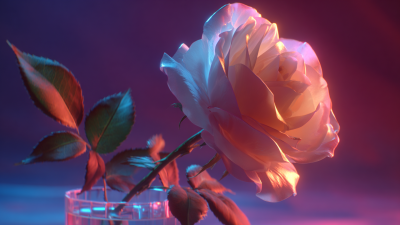
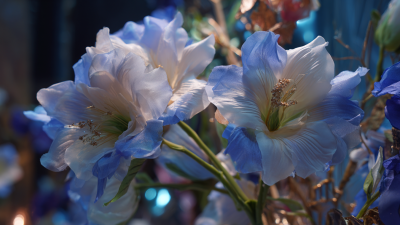
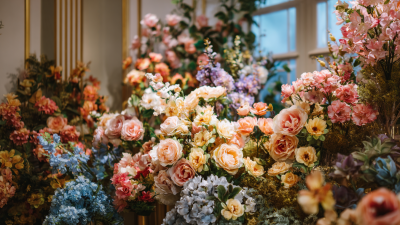
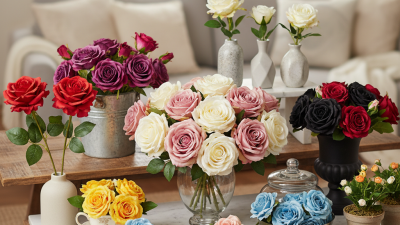
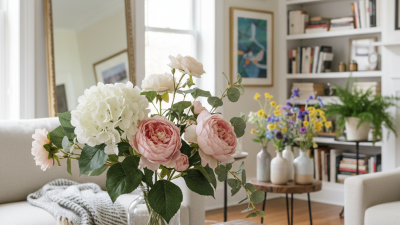
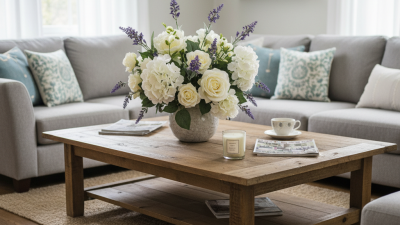
Global buyers are rethinking how flowers enter homes, hotels, events, and retail displays. Fake Flowers now include silk-look stems, preserved-style arrangements, paper blooms, foam roses, and realistic plastic botanicals. Each type offers different advantages in appearance, durability, packaging, and landed cost.
Market evidence supports this growing interest. Grand View Research reports that the global artificial flowers market is expanding steadily, supported by longer product life and rising demand for low-maintenance décor. IMARC Group also identifies home decoration, hospitality, gifting, and commercial displays as important application areas. However, estimates differ between reports because some studies include artificial plants, while others measure flowers only. That limitation matters when buyers compare suppliers.
Quality is not judged by appearance alone. A buyer should inspect petal texture, stem flexibility, color consistency, odor, dust resistance, and carton protection. A rose that looks convincing online may show visible seams under hotel lighting. Small details matter. Product testing, clear material specifications, reliable sampling, and documented factory experience can reduce costly surprises.
This guide examines the top 10 types of Fake Flowers for global buyers. It compares realistic use cases, maintenance needs, shipping considerations, and purchasing risks. Some categories overlap, and the ranking is not absolute. A silk peony may suit a wedding showroom, while a waterproof plastic arrangement may perform better outdoors. The best choice depends on climate, display duration, budget, and customer expectations. Mistakes still happen, especially when photographs hide scale or material differences. Careful sampling remains essential.
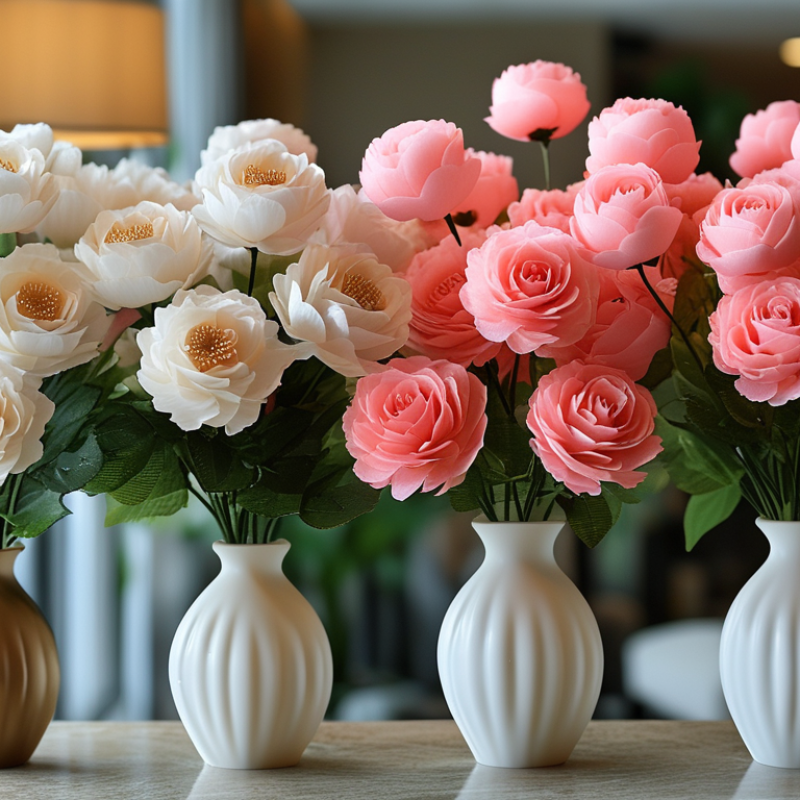
Global buyers can separate ten fake-flower types by material, realism, lifespan, and use. Polyester silk-look flowers are affordable, washable, and suitable for hotels or event backdrops. High-density PE flowers provide sharper petals and better outdoor realism, often lasting three to five years indoors. PU foam flowers feel soft and lightweight, making them useful for craft kits and seasonal displays. Latex flowers offer convincing texture, but heat and sunlight may shorten their service life. PVC flowers are economical and water-resistant, although their plastic shine can reduce realism. Nylon flowers are flexible and practical for gift packaging or lightweight arrangements.
Paper flowers bring strong color and low shipping weight, but moisture damages them quickly. Velvet flowers create rich texture for winter décor, though dust becomes visible on dark surfaces. Fabric-blend flowers balance cost and appearance for retail displays. Wax flowers deliver a sculpted finish for wedding décor, but they can soften near heat. A 2024 Grand View Research report forecasts steady global growth for artificial flowers, with demand supported by reusable decoration and lower maintenance. That trend does not make every material equally sustainable. Buyers should request composition data, colorfastness tests, stem-wire details, and sample photos under natural light. Product descriptions often overstate “real touch.” Some do.
For longer use, select PE or latex for realistic arrangements, polyester for repeated handling, and paper for short campaigns. Indoor displays commonly last several years, while outdoor exposure may reduce color life to months. Actual lifespan depends on UV intensity, dust, humidity, and cleaning methods. The best purchase is not always the most realistic one. It is the type matching the space, handling frequency, and replacement budget.
| No. | Artificial Flower Type | Main Material | Typical Realism | Expected Lifespan | Key Characteristics | Common Buying Use |
|---|---|---|---|---|---|---|
| 1 | Silk-Style Flowers | Polyester, nylon, or rayon fabric; the term “silk” is commonly used commercially for fabric-look flowers. | High when petals have layered edges, detailed printing, and natural color variation. | About 3–10 years indoors; direct sunlight can fade the fabric sooner. | Soft appearance, lightweight construction, wide color range, and easy shipping. | Home décor, event arrangements, hotel interiors, retail bouquets, and seasonal displays. |
| 2 | Latex Flowers | Natural or synthetic latex molded over wire or fabric components. | Very high for many flower forms because the material can reproduce petal texture and thickness. | About 2–7 years indoors; heat, ozone, oils, and strong sunlight may accelerate deterioration. | Flexible, slightly rubbery feel, realistic surface texture, and good shape retention. | Premium floral arrangements, display windows, photography props, and hospitality décor. |
| 3 | PU Foam Flowers | Flexible polyurethane foam, often shaped, coated, or printed to form petals. | High to very high, especially for roses, peonies, and large layered blooms. | About 3–8 years indoors; prolonged UV exposure can cause fading or embrittlement. | Soft touch, low weight, realistic volume, and petals that can be reshaped with care. | Wedding décor, bridal bouquets, retail displays, photo sets, and reusable event styling. |
| 4 | PE Plastic Flowers | Polyethylene, commonly injection-molded or soft-molded for petals and leaves. | Medium to high; textured molds and matte finishes improve the natural appearance. | About 5–15 years indoors; UV-stabilized versions can perform better in sheltered outdoor areas. | Durable, water-resistant, easy to clean, and suitable for repeated commercial use. | Outdoor-covered décor, malls, restaurants, large installations, and high-volume retail products. |
| 5 | PVC Flowers | Polyvinyl chloride, usually molded with wire stems and plastic leaves. | Medium; newer molding and surface treatments can create convincing shapes, although the feel may be firmer. | About 5–12 years indoors; heat and sunlight may lead to discoloration or material hardening. | Cost-effective, sturdy, moisture-resistant, and available in consistent sizes and colors. | Budget décor, party supplies, craft projects, commercial displays, and mass-market bouquets. |
| 6 | Paper Flowers | Crepe paper, tissue paper, cardstock, or other shaped paper materials. | Medium to high for handcrafted designs; realism depends strongly on shaping and coloring. | Several months to 5 years indoors when kept dry and protected from sunlight. | Very lightweight, flat-pack friendly, customizable, and generally economical to transport. | Weddings, backdrops, festivals, classrooms, craft kits, packaging décor, and temporary events. |
| 7 | Fabric Flowers | Polyester, cotton, organza, velvet, felt, or blended textiles. | Medium to high, depending on fabric texture, petal construction, and color detailing. | About 2–8 years indoors with proper dust protection and low humidity. | Tactile, decorative, easy to sew or embellish, and available in many textures. | Hair accessories, apparel decoration, gift packaging, craft products, and table arrangements. |
| 8 | Wooden Flowers | Thin wood veneer, carved wood, or molded wood-based materials. | Medium; the natural grain creates an attractive botanical style rather than a fully fresh-flower imitation. | About 5–15 years indoors when kept dry and away from extreme humidity. | Rigid or semi-flexible, naturally textured, reusable, and often suitable for personalization. | Rustic décor, eco-themed gifts, home accessories, wedding favors, and craft collections. |
| 9 | Metal Flowers | Aluminum, steel, brass, copper, or other formed and finished metals. | Low to medium as a botanical replica, but high as an artistic or sculptural interpretation. | 10 years or more indoors; corrosion resistance depends on the metal and surface finish. | Highly durable, rigid, visually distinctive, and suitable for permanent installations. | Public art, hotel lobbies, garden sculptures, luxury interiors, and long-term décor projects. |
| 10 | Preserved or Dried Botanical Flowers | Real plant material that is air-dried, freeze-dried, or preserved with glycerin or other treatments. | Very high because the flowers are genuine botanical material, although their appearance is intentionally dried or preserved. | About 1–5 years indoors; lifespan varies with humidity, light exposure, and preservation quality. | Natural texture and variation, but more fragile than synthetic flowers and sensitive to moisture. | Premium bouquets, sustainable-style décor, gift boxes, restaurants, and boutique interior styling. |
Buying note: Lifespan estimates are typical indoor-use ranges. Actual performance depends on material grade, UV exposure, temperature, humidity, dust, handling, and maintenance. For outdoor purchasing, confirm UV resistance, water resistance, colorfastness, and fire-safety requirements with the supplier.