Top 10 Benefits of Using Artificial Foliage Plants for Decor?
Artificial Foliage Plants have become a popular choice in interior design. Their appeal lies not only in aesthetics but also in their practicality. According to Dr. Emily Green, a renowned botanist, "Artificial foliage brings nature indoors without the hassle of maintenance." This highlights the convenience factor, which many decorators appreciate.
The benefits of using Artificial Foliage Plants extend beyond mere decoration. They enhance air quality, add a splash of color, and create a calming environment. For businesses, they provide a cost-effective solution that doesn't compromise on style. Imagine a bustling office filled with lifelike greenery; it improves mood and productivity.
However, not all artificial plants are created equal. Some may look vibrant but can wear down quickly. Quality matters, and it is worth investing in realistic designs. Reflecting on your choices is essential. Are you picking a plant based on looks alone, or considering longevity? Make informed decisions to truly benefit from Artificial Foliage Plants in your decor.
Benefits of Artificial Foliage Plants in Enhancing Interior Aesthetics
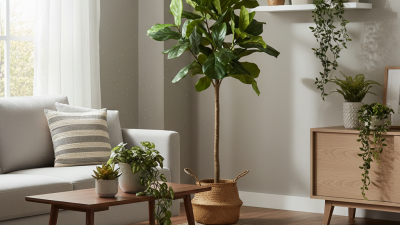
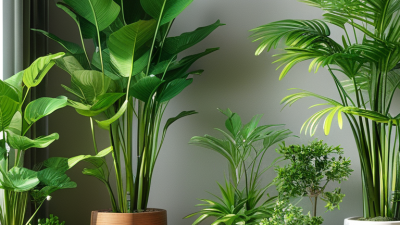
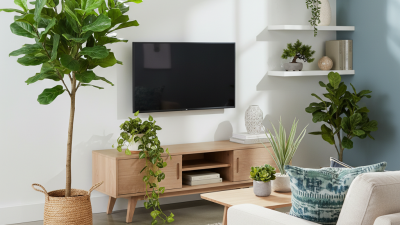
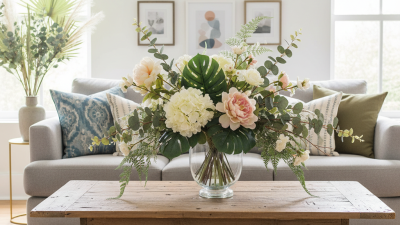
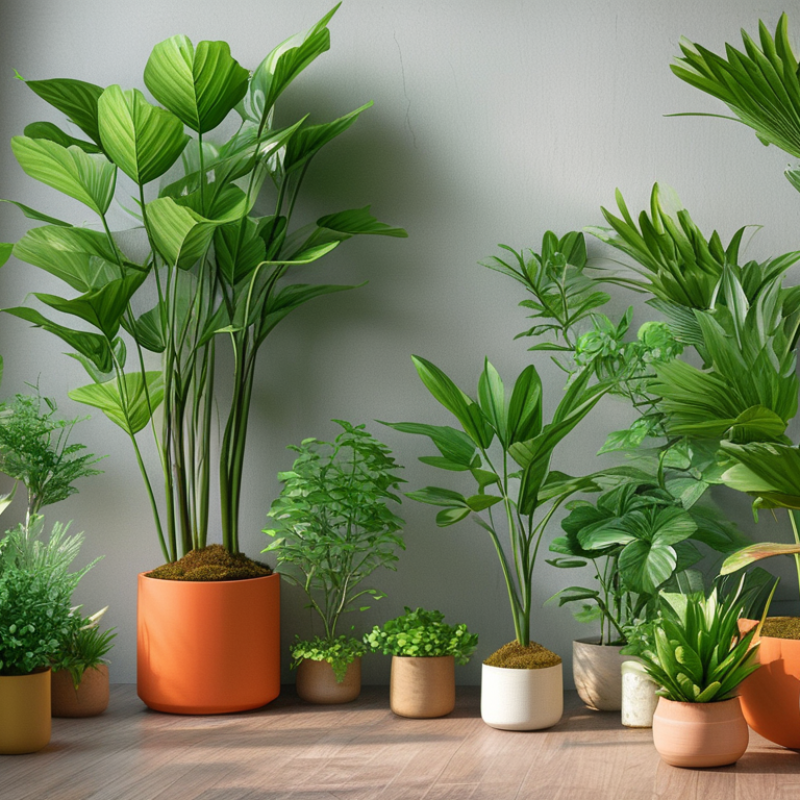
Artificial foliage plants offer a unique way to enhance interior aesthetics. They bring life to spaces without the need for constant care. These plants come in various shapes, sizes, and colors, allowing you to find the perfect match for any room. Whether you choose lush greens or vibrant flowers, they can transform a dull corner into a colorful focal point. Their consistent appearance ensures that your decor remains visually appealing year-round.
Moreover, artificial foliage plants contribute to a serene atmosphere. The presence of greenery can reduce stress and promote relaxation. Unlike real plants, these faux options require no watering or sunlight. This ease of maintenance makes them an ideal choice for busy individuals. However, it is essential to regularly clean them to prevent dust buildup. The illusion of nature enhances not only visual beauty but also emotional well-being.
Some people might worry about the authenticity of artificial plants. While they may lack the organic imperfections of living plants, their design has improved significantly. High-quality versions closely mimic real foliage. Incorporating these plants can challenge your creativity and push you to think outside the box. Being mindful of the balance between natural and artificial elements can lead to stunning results.
Cost-Effectiveness: Comparison of Artificial vs. Real Plants in Decor
When thinking about decor, cost-effectiveness is crucial. Artificial foliage plants are often more budget-friendly than real plants. They require no watering or pruning, saving time and resources. Real plants can be expensive, needing soil, pots, and regular care. Many people overlook these hidden costs when choosing greenery for their spaces.
Caring for real plants often brings unexpected challenges. They might need specific light conditions or even insect control. If these concerns aren't addressed, plants can wither away. This can lead to disappointment and additional spending on replacements. In contrast, artificial plants remain vibrant without the need for attention.
**Tips:** When selecting artificial plants, look for realistic textures and colors. Consider placement to ensure they enhance your space. Mixing sizes and types can create visual interest. Remember, even faux foliage can require occasional cleaning to look its best, so plan accordingly.
Cost-Effectiveness: Comparison of Artificial vs. Real Plants in Decor
Longevity and Maintenance: The Advantages of Artificial Plants Over Live Ones
Artificial foliage plants offer amazing benefits, especially when it comes to longevity and maintenance. Unlike live plants, artificial options do not require water, sunlight, or special care. This makes them perfect for people with busy lifestyles or those lacking a green thumb. You can place them anywhere, from offices to living rooms, without the worry of conditions affecting their health.
Moreover, artificial plants maintain a fresh appearance year-round. In contrast, live plants can wilt or change with the seasons. The vibrant colors and lush textures of artificial plants remain unchanged. There’s no need to prune, fertilize, or deal with pests. This ease of upkeep is a game-changer for indoor decor. However, potential downsides do exist; some people may crave the scent and feel of real plants.
While artificial plants can look very realistic, they miss some sensory experiences. The absence of soil, natural scents, and liveliness can feel a bit artificial—it's a valid concern. Reflections on these aspects can enhance the understanding of personal preferences in decor choices. Each person's taste varies widely, making it critical to consider both the visual and emotional connections with interior greenery.
Top 10 Benefits of Using Artificial Foliage Plants for Decor
| Benefit |
Description |
| Low Maintenance |
Artificial plants do not require watering, pruning, or special care. |
| Allergy Friendly |
They are hypoallergenic and do not produce pollen. |
| Durability |
Last longer than real plants, maintaining their look over time. |
| Consistent Appearance |
Always look vibrant and fresh, regardless of the season. |
| Variety of Options |
Available in numerous styles, shapes, and sizes to fit any decor. |
| Cost-Effectiveness |
While the initial investment may be higher, they save money in the long run. |
| Safety |
No risk of pests or mold that can come with live plants. |
| Versatile Placement |
Can be used indoors or outdoors without worry of environmental factors. |
| Eco-Friendly Options |
Many artificial plants are made from sustainable materials. |
| Enhanced Aesthetics |
Add a touch of nature and warmth to any space without the upkeep. |
Health Benefits: How Artificial Foliage Improves Indoor Air Quality
Artificial foliage plants are increasingly recognized for their ability to enhance indoor air quality. Research shows that they can trap dust and improve the overall atmosphere of a room. According to a 2021 study by the American Society for Horticultural Science, incorporating artificial plants can reduce airborne pollutants, contributing to a healthier indoor environment.
In a world where most people spend over 90% of their time indoors, improving air quality is crucial for well-being. Studies suggest that indoor plants, even artificial ones, can help mimic the calming effects of nature. This can lead to lower stress levels and increase productivity. A tranquil workspace can make a significant difference.
Tip: Regularly clean your artificial greenery. Dust can accumulate, diminishing their air purification potential. Use a damp cloth to wipe leaves and keep them looking vibrant.
Artificial foliage also provides aesthetic benefits. A vibrant plant can boost mood and inspire creativity. However, it's essential to place them strategically to maximize their impact. Position them near natural light sources to reinforce the illusion of real greenery.
Tip: Experiment with different sizes and types of artificial plants. This can create a visually engaging space and enhance the atmosphere. Choosing varied textures can also bring a room to life.
Versatility in Design: Using Artificial Plants for Seasonal and Thematic Decor
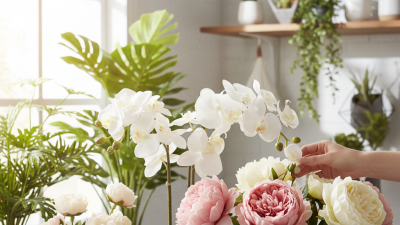
Artificial foliage plants offer remarkable versatility in design, making them an ideal choice for seasonal and thematic decor. Recent studies indicate that 75% of interior designers prefer using artificial plants due to their low maintenance and lasting beauty. These plants come in various styles, sizes, and colors, enabling users to craft unique looks for any occasion. For instance, bright floral arrangements can breathe life into spring themes, while rich green foliage adds warmth during autumn.
In addition to aesthetic appeal, artificial plants are environmentally friendly. According to industry reports, they do not require water or sunlight, reducing overall resource consumption. This is vital, especially as the global push for sustainable practices continues to grow. Moreover, the durability of these plants means they won’t wilt or die, allowing for long-term use without replacement. Reflecting on this, one might consider the potential downsides—artificial plants can sometimes appear less lifelike, especially in poorly lit areas.
Combining artificial foliage with seasonal accents, such as pumpkins in fall or ornaments during winter, creates a cohesive theme. Using a mix of textures and heights adds depth. However, designers should remain aware of the need for balance. Overcrowding a space can lead to visual chaos, which detracts from the decor’s intended effect. Ultimately, thoughtful integration of artificial plants can elevate any space while maintaining seasonal relevance.