How to Choose the Best Artificial Floral Plants for Your Needs?
Choosing the right artificial floral plants can significantly enhance your space. With so many options available, it can be overwhelming. Different styles, colors, and sizes cater to various needs. You may find yourself questioning which ones truly fit your space and lifestyle.
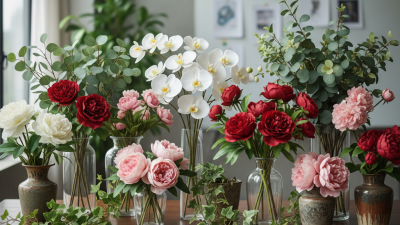
Artificial floral plants provide a beautiful, low-maintenance alternative to real flowers. They offer the beauty of nature without the hassle of watering or sunlight. However, selecting the wrong type could lead to disappointment. It's essential to consider where you plan to display them. Will they be in a bright room or a dim corner? Your choice should reflect that.
Moreover, the quality of artificial floral plants varies widely. Some may look realistic, while others appear cheap and plastic. Reading reviews or seeking expert opinions can guide you. Remember, it's all about finding what complements your taste and environment best. Balancing aesthetics and practicality is key. Reflect on your choices and take your time.
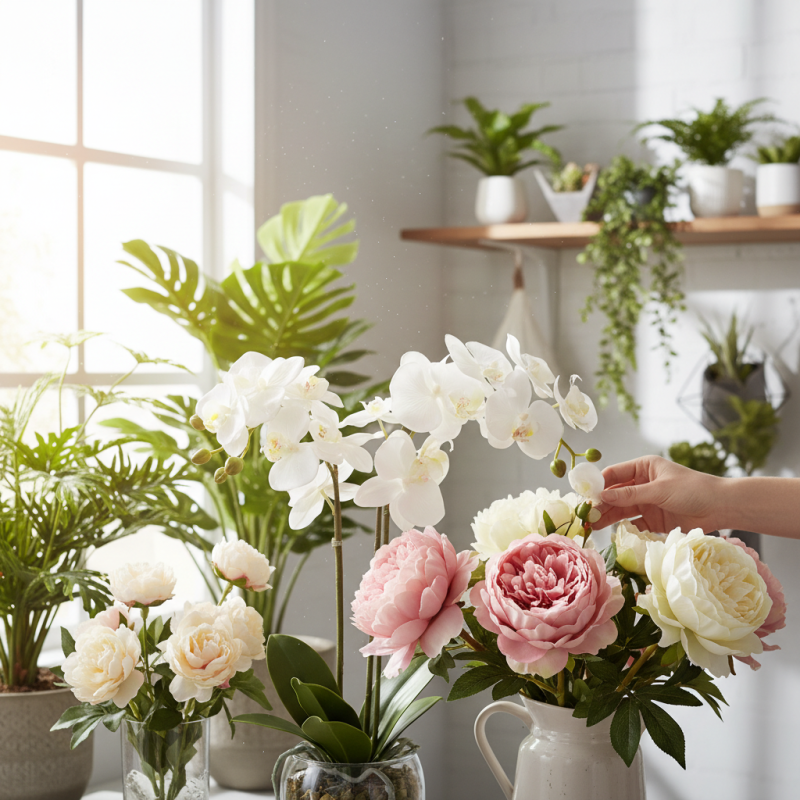
Understanding Your Space and Environment for Artificial Plants
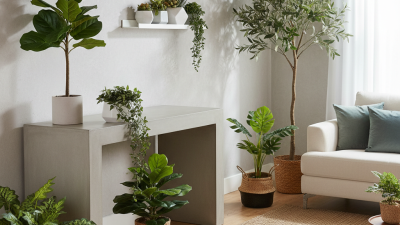
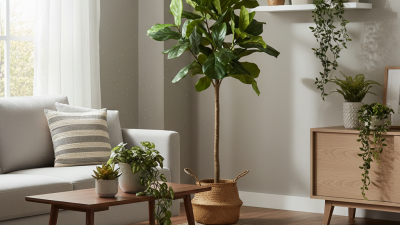
Choosing the right artificial floral plants begins with understanding your space and environment. Consider the size of the area where you want to place the plants. A large room can handle bigger arrangements, while smaller spaces benefit from compact options. Think about the light in your space. Some artificial plants mimic real ones that thrive in bright light, while others work better in low-light conditions.
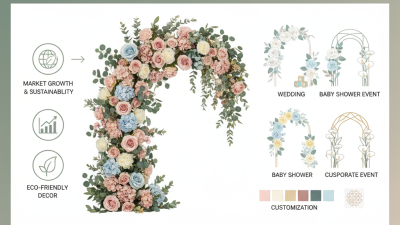
Next, reflect on your décor style. Are your furnishings modern, rustic, or eclectic? Find floral plants that enhance your overall design. For example, sleek, contemporary designs pair well with minimalist plants. On the other hand, vibrant, textured plants suit a more eclectic vibe.
Don't shy away from mixing various artificial plants. A combination can create a dynamic look. Consider how these plants will interact with the other elements in the room. Observe if they add warmth or contrast. Pay attention to colors and textures. Sometimes, they may clash instead of complementing. Trust your instincts but be open to adjusting your choices for better harmony.
Identifying the Purpose and Style of the Floral Arrangement
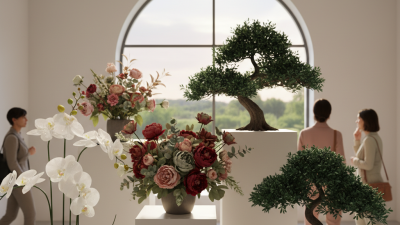
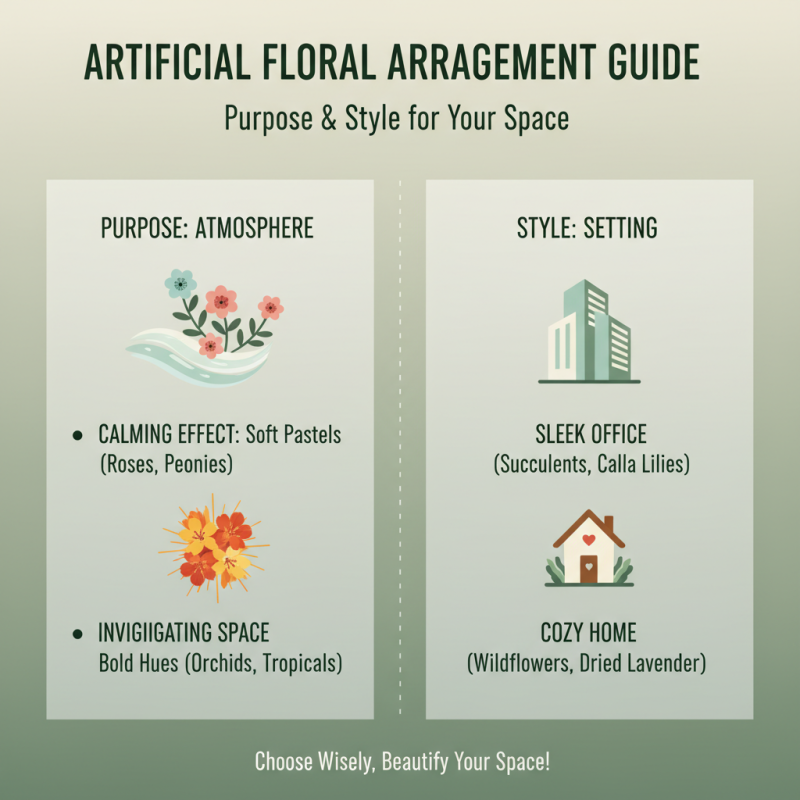
Choosing the right artificial floral plants starts with understanding their purpose and style. Ask yourself what kind of atmosphere you wish to create. For a calming effect, soft pastel colors work well. Meanwhile, bold hues can invigorate a space. Consider the setting too. A sleek office may need modern arrangements, while cozy homes benefit from rustic or vintage styles.
Next, think about the arrangement size. Large pieces dominate a room, while smaller ones can accentuate without overwhelming. Texture is equally important. Mix materials to create visual interest. For example, pairing silk flowers with natural-looking foliage brings depth. Remember that not all arrangements suit every space. Reflect on personal tastes and avoid trends that don't resonate with you.
Finally, remember that artificial plants should appear as lifelike as possible. Inspect the details closely. Sometimes, inexpensive options may lack authenticity. On the other hand, investing in quality pieces can enhance the overall aesthetic of your space. Don't rush this decision. Take time to explore various designs, and don't be afraid to mix different styles until you find what feels right.
Evaluating Material Quality and Realism of Artificial Plants
When evaluating artificial floral plants, the material quality is crucial. Many products on the market use a mix of polyester and plastic. According to a 2021 industry report, 70% of consumers prefer materials that mimic natural textures. This preference drives manufacturers to improve realism in their designs. Soft polyester petals can resemble organic flowers, while high-quality plastics provide durability.
Look for UV-resistant features if you'll place plants in sunny spots. Not all artificial plants are equal. Some fade quickly in sunlight, losing their appeal. Moreover, be wary of overly glossy finishes; they often signal poor realism. Instead, aim for muted tones and natural textures.
Tips: Always check online reviews about realism and quality. Many users share experiences that reveal common issues. Consider buying from retailers that offer satisfaction guarantees. This can help avoid the regret of a poor choice. When you find a plant that looks good in natural light, the effort will pay off.
Researching Maintenance Requirements and Lifespan
When selecting artificial floral plants, considering maintenance requirements is vital. Most artificial plants are low-maintenance, needing minimal care. However, not all are created equal. Some may require regular dusting, while others can withstand various conditions. Understanding these needs helps you make informed choices.
Lifespan varies among products. Higher quality artificial plants typically last longer. They resist fading and maintain their appearance for years. However, cheaper options might deteriorate quickly or lose their vibrancy. Regularly check for signs of wear. This way, you can decide when to replace them.
Reflecting on your preferences is essential. Do you want vibrancy? Or perhaps a more muted look? Consider the environment too. Some artificial plants work well in bright sunlight, while others might not. Tailoring your choices to these factors will help you enjoy your selections for many seasons.
Exploring Budget Considerations and Cost-Effective Options
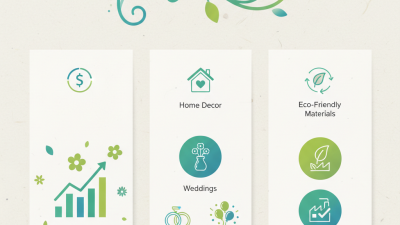
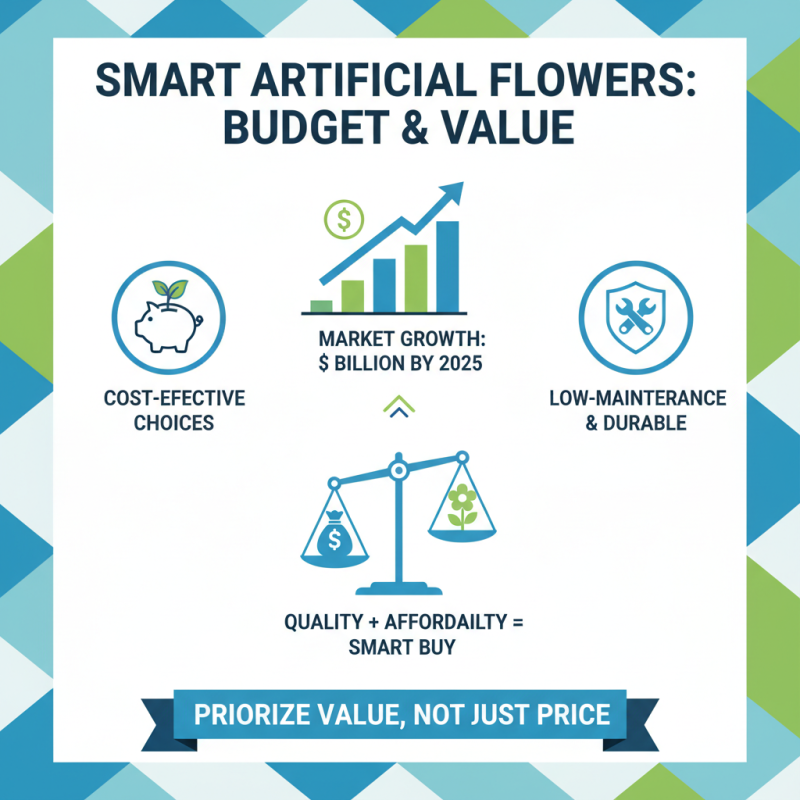
When selecting artificial floral plants, cost considerations play a crucial role. According to industry reports, the market for artificial plants is expected to reach $2 billion by 2025. This growth reflects a rising demand for affordable, low-maintenance options. Many consumers prioritize budget when making purchases. Finding the right balance between quality and cost is essential.
For those on a tighter budget, exploring local craft stores can yield unique finds. Often, these shops offer sales on last season’s decor. Wholesalers may offer bulk pricing for larger orders. Industry data indicates that shoppers who compare prices can save up to 30% on artificial plants. Additionally, it's wise to pay attention to reviews and product ratings. Even budget options can provide stunning aesthetics if carefully chosen.
Be wary, however, of opting for the cheapest choice without assessing quality. Some low-cost plants may look unrealistic or deteriorate quickly. Trade-offs may be necessary. Investing slightly more in higher-quality materials could result in better longevity and appearance. Collecting feedback from fellow buyers can also aid in making informed decisions.