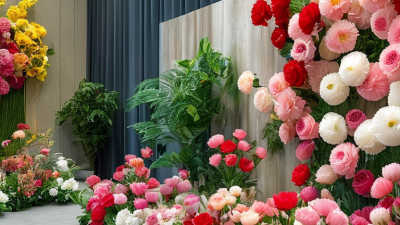
A Fake Flower Wall is a freestanding decorative backdrop covered with artificial blooms, foliage, or mixed botanical panels. It can frame a wedding stage, brighten a hotel entrance, or create a branded photo area at a product launch. Unlike a living plant wall, it needs no irrigation, sunlight, or daily pruning. However, it still requires careful planning.
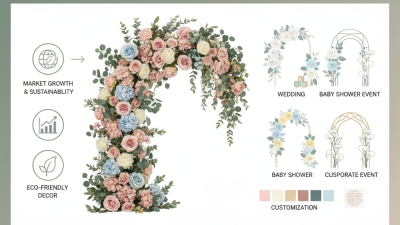
Industry data helps explain its growing appeal. Grand View Research reported continued expansion in the global artificial flowers market, supported by reusable décor, improved materials, and demand from hospitality and events. The International Live Events Association also identifies visual experiences and shareable installations as important elements in modern event design. These reports do not measure Fake Flower Wall sales directly. They offer useful market context, not absolute proof.
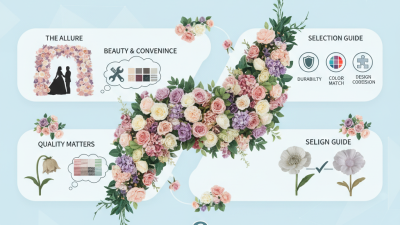
In practice, designers consider flower density, panel weight, fire-safety documentation, cleaning access, and installation time. A dense rose wall may look luxurious in photographs, while silk hydrangeas can create a softer hotel setting. A florist or event supplier should check color accuracy under venue lighting. Cheap petals may shine unnaturally under flash. That detail matters.
Reusable décor can reduce repeated purchasing, but it is not automatically sustainable. PVC backings, synthetic fabrics, shipping distance, and poor storage can increase environmental costs. The waste question remains. Reliable suppliers should explain material composition, cleaning methods, rental terms, and safe anchoring. Buyers should also compare professional photographs with real samples before ordering. A beautiful image can hide weak construction. This article examines what a Fake Flower Wall is, how it is used, and where its practical limitations deserve honest attention.
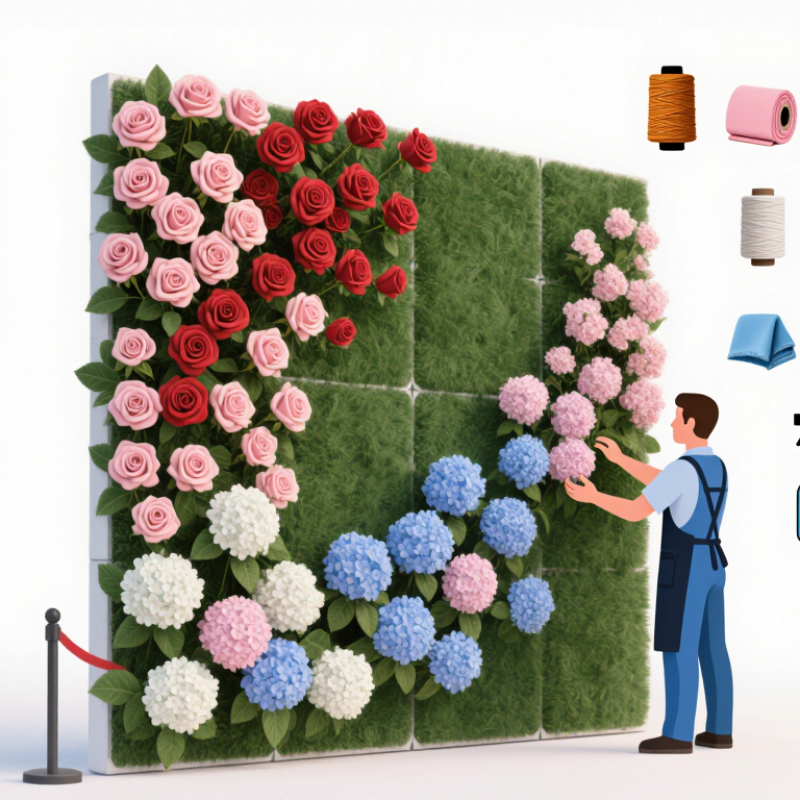
A fake flower wall is a decorative backdrop made from reusable artificial flowers and greenery. It usually combines several lightweight panels, a supporting frame, and attached foliage. Panels create the wall’s visible surface, while the frame keeps everything upright and stable. Some panels connect with clips, ties, or hidden fasteners. This structure helps the wall fit different venues, from narrow reception areas to wide photography spaces.
Foliage gives the display depth and prevents it from looking like a flat printed background. Layered leaves can hide small gaps between panels, while flowers add color at eye level and along the edges. A strong frame matters because uneven floors can make the wall lean. The base should be weighted when necessary, especially in busy indoor spaces. Designers often mix large blooms with smaller flowers for a more natural rhythm. Still, perfectly balanced arrangements may look artificial. Slight variation usually feels more convincing.
Tips: Check every panel before installation. Look for loose stems, visible connectors, and bent frame parts. Place fuller foliage over obvious seams. Keep the wall away from heat and moisture unless its materials are rated for those conditions. Leave enough space behind the frame for inspection and adjustment. A rushed setup can spoil an otherwise attractive backdrop.

What Is a Fake Flower Wall and How Is It Used?
A fake flower wall is a decorative panel covered with artificial blooms and greenery. It appears at weddings, exhibitions, hotel entrances, photo areas, and retail displays. Unlike fresh flowers, it needs no watering or daily replacement. The wall usually contains lightweight frames, mesh backing, and modular floral panels. Proper spacing helps the arrangement look natural instead of crowded.
Materials strongly affect its appearance and service life. PE flowers are flexible, water-resistant, and suitable for larger outdoor components. PVC provides firmer leaves and stable structural details, but it can feel less realistic. Polyester is commonly used for soft petals because it accepts color well and holds delicate shapes. During manufacturing, petals may be molded, cut, heat-shaped, and assembled by hand. A UV-resistant coating slows fading from sunlight, although it cannot prevent damage forever. Heat, dust, and constant exposure still matter. Some colors may soften after extended outdoor use.
Tips: Check the material list before purchasing. Ask about UV testing, backing strength, and cleaning instructions. Touch samples when possible. Cheap petals can look convincing online but appear flat under strong lighting. Use PE or coated polyester outdoors, and keep PVC sections away from intense heat. Inspect connectors regularly; loose panels are easy to overlook.
| Material or Component | Primary Function | Typical Manufacturing Method | Key Characteristics | UV and Outdoor Performance | Common Applications in a Fake Flower Wall | Main Limitations |
|---|---|---|---|---|---|---|
| Polyethylene (PE) | Forms realistic petals, leaves, stems, and molded decorative foliage. | Injection molding, compression molding, or extrusion followed by trimming, coloring, and assembly. | Lightweight, flexible, moisture-resistant, and capable of producing detailed three-dimensional shapes. | Good when UV-stabilized | Artificial leaves, molded petals, outdoor event panels, garden screens, and permanent decorative installations. | Unstabilized PE may fade, become brittle, or lose flexibility after prolonged exposure to sunlight. |
| Polyvinyl Chloride (PVC) | Provides structured leaves, flowers, vines, backing elements, and sometimes mounting grids. | Injection molding, calendaring, or extrusion; parts may be printed, embossed, painted, or heat-formed. | Durable, economical, water-resistant, and relatively rigid compared with many flexible plastics. | Moderate to good with UV additives | Artificial greenery panels, dense floral arrangements, wall tiles, edging components, and reusable displays. | Can become less flexible in cold conditions and may degrade or discolor if the formulation lacks suitable UV protection. |
| Polyester Fiber or Fabric | Creates soft petals, fabric flowers, printed floral backgrounds, mesh supports, and decorative backdrops. | Fiber spinning, weaving or knitting, dyeing, digital printing, laser cutting, heat shaping, and stitching or bonding. | Lightweight, colorable, tear-resistant, and suitable for detailed printed or layered floral designs. | Moderate; higher with outdoor-grade fibers and UV treatment | Indoor photo backdrops, wedding décor, trade-show displays, fabric flower panels, and lightweight temporary walls. | Can collect dust, absorb limited moisture, and show fading or fiber deterioration when exposed to intense sunlight for long periods. |
| UV-Resistant Coating or Additive | Reduces damage caused by ultraviolet radiation, including fading, chalking, cracking, and embrittlement. | Added during polymer compounding or applied as a spray, dip, clear film, or surface finish after molding or printing. | Works as a protective layer or stabilizer; performance depends on coating thickness, pigment, formulation, and exposure level. | Improves outdoor durability; does not make materials permanently fade-proof | Outdoor flower walls, balcony screens, entrance décor, garden features, and semi-permanent event installations. | Protection gradually declines with weathering, abrasion, cleaning, and continuous exposure to strong sunlight. |
| Metal or Plastic Support Grid | Holds flowers and foliage in place and allows panels to be connected to a wall, frame, fence, or freestanding structure. | Wire forming, welding, injection molding, or extrusion, followed by coating, clipping, or modular assembly. | Provides structural stability, ventilation, repeatable panel alignment, and easier installation or removal. | Depends on finish and base material | Modular flower panels, freestanding backdrops, partition walls, fences, and rental display systems. | Metal may corrode without suitable protection; plastic grids may deform under excessive heat or load. |
| Finished Fake Flower Wall | Creates a decorative vertical surface that imitates a dense arrangement of flowers, leaves, vines, or mixed greenery. | Individual components are attached to a backing grid or fabric, arranged into modules, inspected, packed, and installed on site. | Reusable, low-maintenance, customizable in color and density, and available as modular or custom-built sections. | Indoor use is generally most stable; outdoor service life varies by materials and climate | Weddings, photo booths, retail interiors, restaurants, hospitality spaces, exhibitions, parties, and outdoor entrances. | It is not living vegetation; it requires periodic dust removal and may need anchoring, drainage clearance, or weather protection outdoors. |
| Typical Assembly Process | Combines the decorative parts into a stable and visually dense wall system. | Design layout → material selection → molding or textile production → coloring or printing → UV treatment → trimming → attachment to backing → quality inspection → packaging. | Modular construction simplifies transport, replacement, storage, and rearrangement of individual sections. | Quality depends on material testing and installation conditions | Temporary event décor, permanent interior decoration, branded-free photo areas, room dividers, and landscape screening. | Incorrect fastening, excessive compression during shipping, poor ventilation, or unsuitable exposure can reduce service life. |
A fake flower wall is a modular display made from artificial blooms, foliage, and a backing frame. It creates a photo-ready surface for weddings, retail interiors, exhibitions, and hospitality spaces. Unlike fresh flowers, it needs no water and can be installed repeatedly. However, “maintenance-free” is an imperfect description. Dust still settles between petals, especially on velvet-like flowers.
Common industry specifications use panels measuring 40–60 cm wide or high. Each panel commonly weighs 2–5 kg, depending on foliage density, backing material, and frame design. A 50 cm panel weighing 3 kg is manageable for one trained installer. Larger installations need stronger supports and careful load planning. Grand View Research’s 2024 artificial flowers market analysis identifies event decoration and commercial interiors as important application areas, supporting demand for reusable floral displays. The report does not define universal panel sizes, so supplier specifications still require checking.
Tips: Measure the wall before ordering. Leave space for connectors and uneven surfaces. Confirm each panel’s actual weight, fixing method, and flame-performance documentation. In practice, dense foliage can hide seams better, but it also increases weight. I have found that lightweight panels install faster, yet they may look less natural from close range. Request a sample panel before committing to a full backdrop. Inspect color consistency under the venue’s lighting, not only in product photographs.
A fake flower wall is a reusable backdrop made from artificial blooms, foliage, panels, and a supporting frame. It appears at weddings, exhibitions, photo areas, and corporate events. The decorative surface may look harmless, but dense plastic petals can increase flame spread and smoke production.
NFPA’s Fire Loss in the United States report estimated 1.39 million fires in 2023. This wider risk picture explains why venues examine temporary decorations carefully.
NFPA 701 evaluates flame propagation on certain textiles, films, and flexible materials. ASTM E84 measures flame spread and smoke development for building-related surface materials. These tests are different.
A certificate for one material does not automatically approve the complete flower wall. The frame, backing, adhesives, lighting, and installation method still matter.
Check the venue’s written fire rules before ordering. Ask for current test reports, product identification, and treatment records. Confirm that the report matches the exact fabric, plastic, or panel used.
Keep flowers away from exit doors, fire equipment, heaters, and electrical cables. Leave clear paths for guests and emergency crews. Secure freestanding frames against tipping.
Tips: Request a small material sample. Compare it with the certificate. Photograph the installed wall. Keep documents onsite. If the venue rejects the paperwork, pause the installation. A “fire-retardant” label alone is not enough.
A fake flower wall is a freestanding backdrop covered with artificial blooms, foliage, and a rigid frame. It creates a controlled visual surface without watering, wilting, or seasonal replacement. A 2024 industry market report valued the global artificial-flowers market at approximately US$1.6 billion in 2023. The figure shows steady demand for reusable decorative products. Still, quality varies sharply.
Installation starts with accurate measurements and a stable base. Technicians should secure each panel, hide visible joints, and test the wall before guests arrive. Weighted feet matter on polished floors. At weddings, the wall can frame vows, welcome guests, or create a soft photo zone near the reception. Retail teams may place it beside an entrance or seasonal display, where strong lighting reveals texture and color. A 2024 visual-merchandising report found that immersive displays can increase shopper dwell time by more than 20 percent. The exact result depends on layout, lighting, and audience.
Rentals need modular panels, protective cases, cleaning records, and clear setup instructions. Artificial petals collect dust, especially in busy venues. Rental staff should inspect loose stems after every event. The same wall may serve a wedding on Saturday and a store promotion on Monday. That flexibility lowers repeated decoration costs, but transport can damage delicate flowers. An industry forecast published in 2024 projected continued growth in decorative artificial-flower demand through 2030. The forecast is useful, not absolute. Poor installation still looks artificial.