Top 10 Artificial Bouquet Designs in China You Need to Know?
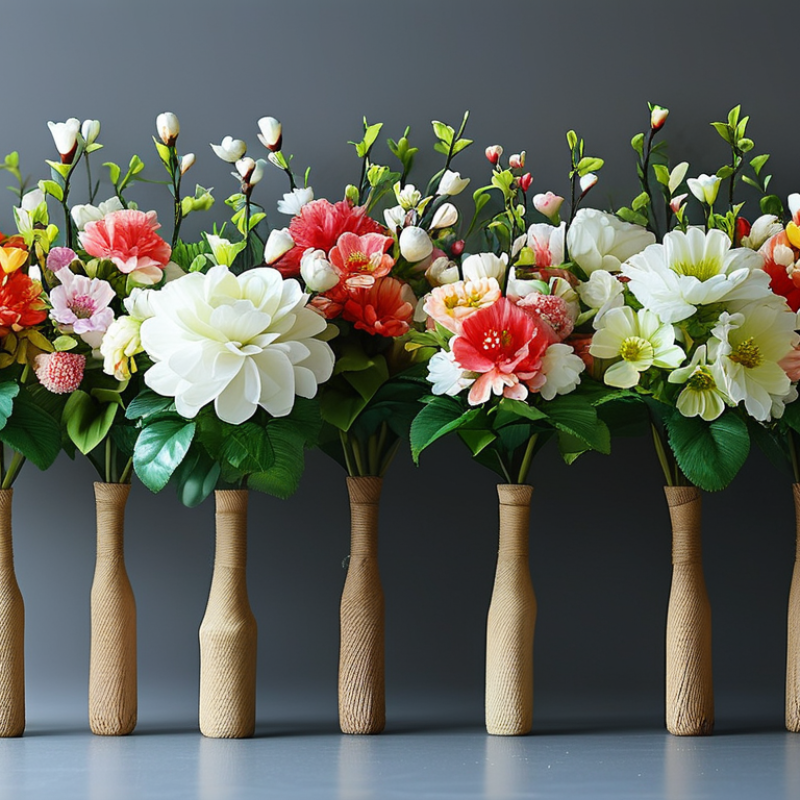
In recent years, the trend of using Artificial Bouquets in China has gained significant popularity. These stunning creations offer beauty and longevity, making them a favorite for various occasions. From weddings to home decor, Artificial Bouquets are versatile and stylish.
Choosing the right design can seem overwhelming. Many options cater to different tastes and themes, highlighting the creativity of local artisans. Each bouquet tells its own story, blending colors, textures, and styles. They also reflect personal preferences, evoking emotions tied to memories.
However, the growing market means not all products are equal. Some lack the quality of craftsmanship, while others may appear too artificial. Buyers need to be discerning and seek trusted vendors. By understanding the top designs, customers can make informed decisions, enhancing their experiences with Artificial Bouquets.
Overview of Artificial Bouquets in China
Artificial bouquets are gaining popularity in China for several reasons. They offer lasting beauty without the need for maintenance. People appreciate their vibrant colors and realistic designs, which make them suitable for various occasions. Additionally, these bouquets are often made from eco-friendly materials, appealing to environmentally conscious consumers.
The artistry in designing artificial bouquets cannot be overlooked. Local artisans use silk, foam, and plastic to create lifelike flowers. This level of craftsmanship requires skill and creativity, ensuring that each piece is unique. However, there is still room for improvement. Some designs lack the intricate details found in real flowers, prompting discussions about enhancing realism.
Many consumers seek to balance aesthetics with sustainability. As interest in artificial bouquets grows, there's a demand for innovative designs that reflect cultural significance. The challenge lies in marrying traditional motifs with modern techniques. This evolving landscape of artificial floristry in China encourages both professionals and hobbyists to explore new possibilities.
Trends in Artificial Flower Design for Different Occasions
The world of artificial flower design is rapidly evolving, especially in China. Recent reports indicate that the market for artificial flowers is expected to grow at a CAGR of 5.5% from 2023 to 2028. This growth is driven by increasing demand for personalized decorations across various occasions.
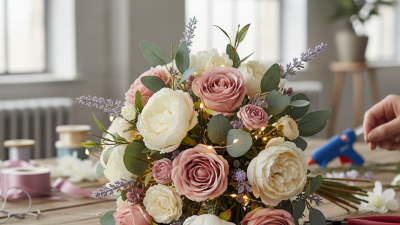
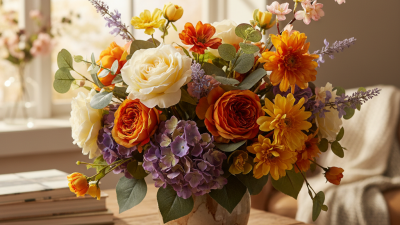
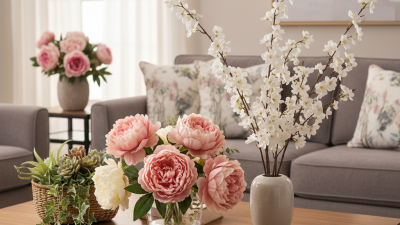
For weddings, bright and vibrant colors dominate the trends. Bridal bouquets often feature peonies and roses crafted from silk. These durable flowers remain beautiful throughout the event. For corporate settings, minimalist designs lead the charge. They incorporate monochrome palettes with clean lines, reflecting professionalism and elegance. Effective use of artificial flowers can enhance office aesthetics without the upkeep associated with real blooms.
Seasonal trends play a vital role too. Spring often showcases pastel shades, while autumn sees deeper, richer tones. However, not all designs resonate with consumers. Some artificial flowers may appear overly synthetic, detracting from their appeal. Striking a balance between realism and artistry is crucial for designers. As preferences shift, embracing imperfections in design can lead to more relatable and unique creations. The journey of artificial flower design is constantly changing, reflecting broader societal shifts in style and practicality.
Popular Materials Used in Chinese Artificial Bouquet Creation
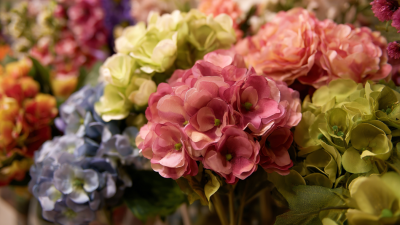
Creating artificial bouquets in China showcases a blend of tradition and innovation. A variety of materials are utilized, each offering unique textures and colors. Silk flowers are among the most popular. They provide a soft and realistic feel. However, the quality can vary. Cheaper options may not last long or look as authentic.
Another common material is plastic. It is lightweight and easy to mold into different shapes. Many artisans use high-quality plastic for durability. Yet, some lower-grade plastic can look cheap and uninspiring. Foam flowers have also gained popularity. They are lightweight and often more affordable. However, they might lack the intricate details that finer artificial flowers boast.
Natural elements play a role too. Dried flowers and grasses are often added for a rustic touch. They can add charm but might not be as long-lasting. Some designers experiment with unconventional materials like recycled items to create unique designs. This can lead to beautiful creations, but quality control may become a challenge. The key is balancing aesthetics with longevity.
Cultural Significance of Artificial Bouquets in Chinese Society
In China, artificial bouquets hold a unique position in cultural expression. Unlike natural flowers, these arrangements are often used for longevity and symbolism. Their permanence represents eternal love, making them popular for weddings and memorial services. Recent reports indicate that the market for artificial flowers grew by approximately 20% annually over the last five years. This growth highlights their increasing acceptance.
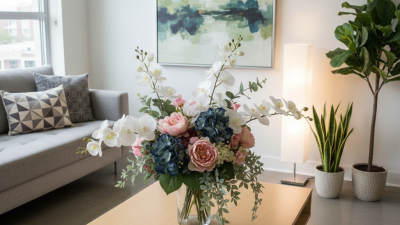
The aesthetic appeal of artificial bouquets also plays a significant role. They require no maintenance, yet can mimic the delicacy of fresh flowers. Trends show that consumers prefer designs that reflect seasonal themes and local customs, revealing a blend of tradition and modernity. For example, red and gold colors are often selected to evoke prosperity and happiness during festivals.
However, the rise of artificial bouquets raises questions about environmental impacts. While they eliminate waste associated with fresh flowers, many are made from non-biodegradable materials. This contradiction calls for thoughtful reflection on sustainability practices within the industry. As consumers become more eco-conscious, the demand for biodegradable options is expected to rise. This shift could redefine how artificial bouquets are designed, balancing tradition with responsibility.
Top 10 Artificial Bouquet Designs in China
Innovative Techniques in Crafting Artificial Flowers in China
Artificial flower crafting in China combines tradition with modern innovation. Artisans use advanced techniques to mimic nature's beauty. One common method involves layering materials to create depth and realism. This approach often requires keen attention to detail. Crafting each petal involves an understanding of texture and light. Skilled artisans experiment with different fabrics, paints, and finishes.
Another exciting technique is the use of 3D printing. This technology allows for intricate designs that were once impossible to achieve by hand. 3D-printed flowers can capture delicate features, making them look lifelike. However, not all designs translate well into physical form. Sometimes, the process reveals flaws that need refinement.
Dye-sublimation is also gaining traction. This technique enables vibrant colors to seep into the fabric, enhancing the flower's overall appearance. Despite its advantages, achieving the right hue can be challenging. The balance between color and material often requires multiple trials. The imperfections in these processes often lead to creative solutions. Each design tells a story of trial and error, reflecting the evolving nature of this art form.