Top 10 Artificial Flowers Leaves for Global Buyers to Consider?
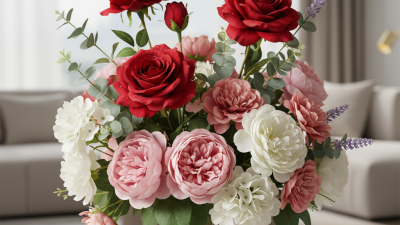
Artificial Flowers Leaves have gained popularity in the home decor market. These lifelike creations offer an endless variety of styles and colors. Buyers can choose from options that mimic nature closely or add a unique artistic flair to their spaces.
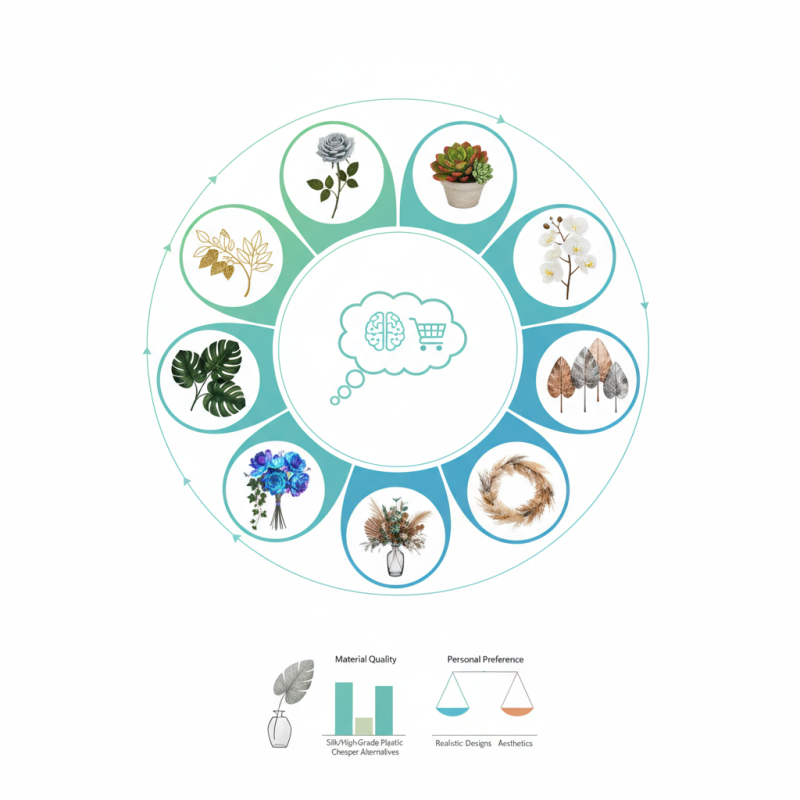
When selecting Artificial Flowers Leaves, consider the material quality. High-grade silk or plastic often outlasts cheaper alternatives. It’s essential to trust reputable suppliers who prioritize craftsmanship. The best products not only look beautiful but also endure everyday wear and tear.
However, it’s important to reflect on personal preferences. Some may prefer realistic designs, while others enjoy abstract aesthetics. Finding the right balance between personal style and product quality takes effort. Exploring different sellers and products can help refine choices.
Understanding the Appeal of Artificial Flowers and Leaves
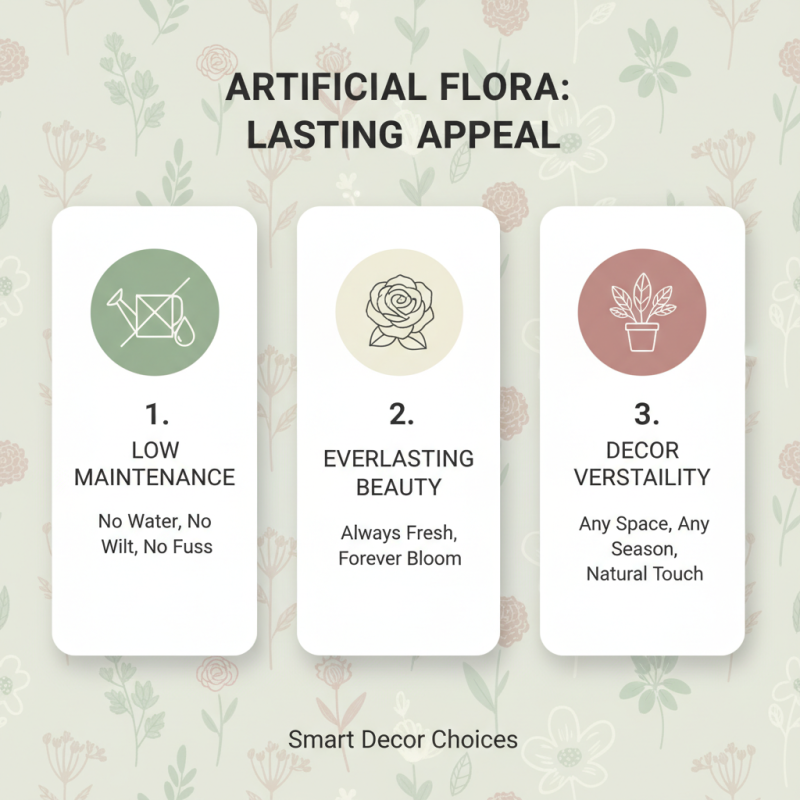
Artificial flowers and leaves have gained popularity due to their low maintenance and lasting beauty. They add a touch of nature without the worry of wilting. Understanding their appeal can help buyers make informed decisions.
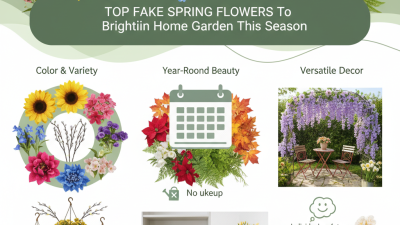
One major advantage is variety. These artificial options come in many colors and styles. Buyers can find something that fits any decor. Yet, some may struggle with the perception that faux plants lack authenticity. It's essential to choose high-quality materials that mimic real plants closely. Look for intricate details, like veining in leaves or lifelike blossoms.
Tips: Always inspect products carefully. Touch and examine the materials used. Consider how the flowers or leaves will fit into your space. Mixing real and artificial plants can also create a more natural look. Be patient when choosing. Finding the perfect piece may take time. Often, the right choice can significantly enhance a room's ambiance.
Key Factors to Consider when Choosing Artificial Floral Products
When choosing artificial floral products, several key factors come into play. The material is crucial. High-quality options resemble real flowers closely. Look for materials like silk or polyester. They offer durability and a lifelike appearance. Consider the color as well. Some shades fade over time, losing their vibrancy. Vibrant colors can brighten a space, but they must be consistent.
Another factor is the arrangement. Pre-made bouquets are convenient, but custom arrangements can better match your vision. Think about your decor style, too. Some designs fit traditional spaces while others shine in modern settings. Pay attention to the size. Artificial flowers that are too large might overwhelm a room. Conversely, small arrangements can get lost in larger spaces.
Lastly, consider maintenance. Artificial flowers require less care than real ones, but they still need occasional dusting. Be aware of potential flaws. Over time, some petals may fray or lose shape. This can make even the best products look cheap. It’s essential to inspect items regularly to maintain their appearance.
Top 10 Artificial Flowers Leaves for Global Buyers
Top 10 Recommended Artificial Flower Leaves for Consumers
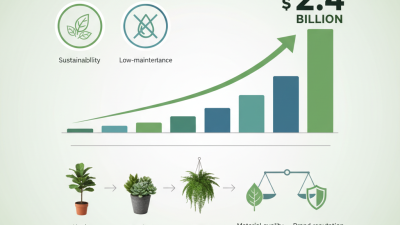
Artificial flowers and leaves are gaining popularity in home décor and event planning. They provide long-lasting beauty without the upkeep of real plants. According to the latest industry report, the global artificial flower market is projected to grow significantly, reaching over $2.8 billion by 2027. This trend reflects a growing preference for sustainable and low-maintenance options.
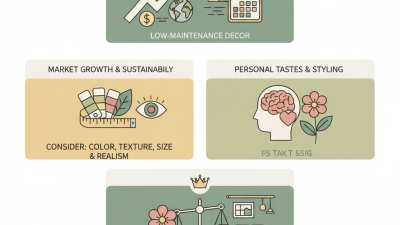
When choosing artificial flower leaves, consider quality and realism. High-quality leaves often use advanced materials that mimic natural textures. Pay attention to color and design for a more lifelike appearance. Statistics show that 75% of consumers prefer products that look authentic. This preference drives manufacturers to innovate in material use and design.
Tips: Always check product reviews before purchasing. Feedback from other consumers can guide you in making better choices. Additionally, evaluate the environment where the flowers will be placed. Some materials may be better suited for indoor use while others can endure outdoor conditions. Reflecting on these details can enhance your selection process for the most effective results.
Comparative Analysis of Materials Used in Artificial Flowers
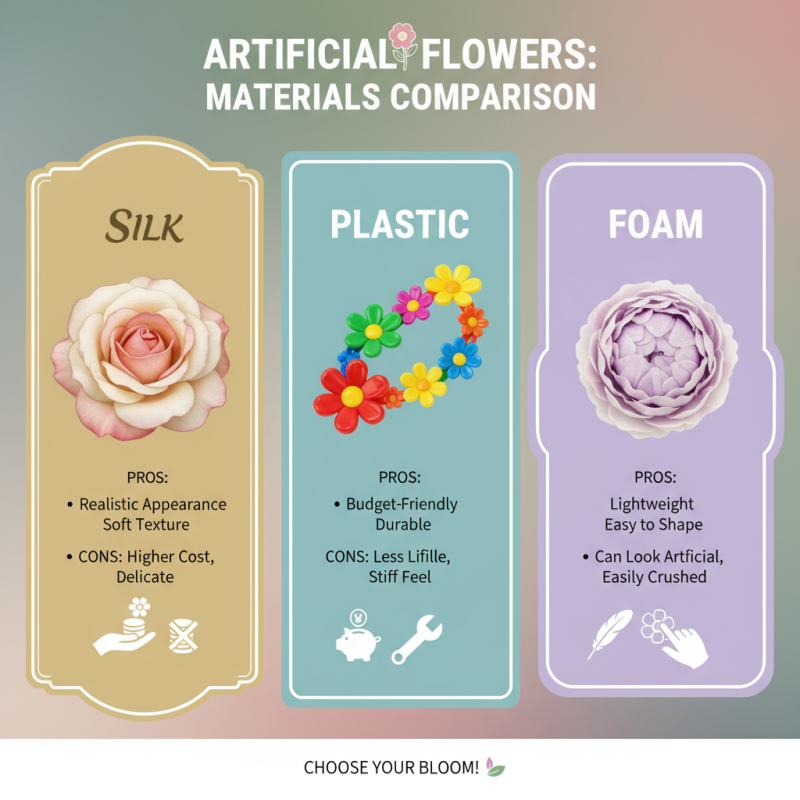
Artificial flowers have gained immense popularity due to their beauty and low maintenance. The materials used in these creations significantly impact their look and durability. Common materials include silk, plastic, and foam, each with its pros and cons. Silk flowers often look the most realistic, but they can be more expensive and require careful handling. Plastic flowers are budget-friendly but may appear less lifelike.
When considering artificial leaves, it's crucial to choose high-quality materials. Foam leaves are lightweight and highly detailed, making them appealing for decorative uses. However, they can wear out faster than other materials. In contrast, PVC leaves are durable and resistant to fading, making them ideal for outdoor settings.
Tips: Always check the texture and finish of the leaves. Realistic details can make a big difference in overall appearance. Don’t shy away from mixing materials; combining different types can enhance visual interest. Evaluate the weight of the flowers as well. Some heavier materials may not hold up well if displayed in certain arrangements. Remember, quality will often provide you with longevity.
Trends in Artificial Flower Design for Global Markets
In recent years, the artificial flower market has seen dramatic transformations. Trends indicate a shift towards more realistic designs. According to a report by Market Research Future, the sector is projected to grow by 6.5% annually until 2025. This growth reflects a rising consumer preference for lifelike artificial arrangements.
Notably, sustainability is becoming a key design element. Manufacturers are increasingly focusing on eco-friendly materials. Many buyers express interest in products made from recycled plastics. This change is critical as awareness of environmental issues increases globally. A survey revealed that 70% of consumers prefer sustainable products.
Color and texture play significant roles in design trends as well. Soft pastels and vibrant hues are popular, catering to diverse tastes. Textures mimicking natural foliage are in demand. However, some industry players struggle to keep up with these evolving preferences. This gap can hinder their competitive edge in this fast-growing market. Identifying and adapting to these trends is crucial for success.