10 Best PU Flowers Suppliers for Global Buyers?
Finding dependable Pu Flowers suppliers requires more than comparing attractive catalogs. Global buyers need consistent quality, clear communication, and reliable export experience. Product photos alone are not enough. A supplier may show realistic petals, yet deliver rigid stems or uneven coloring. This guide introduces ten suppliers worth evaluating for international purchasing needs.
The selection focuses on practical details that affect real orders. These include polyurethane material quality, flower density, stem strength, color consistency, packaging, minimum order quantities, and production capacity. We also consider sample policies, customization support, response speed, and shipping documentation. A dependable supplier should explain specifications clearly and provide recent product samples. Buyers should inspect surface texture, wire support, odor, and color under natural light. Small differences matter in wedding décor, hospitality projects, retail displays, and event styling.
No ranking is perfect. Supplier performance can change with seasons, staffing, and order volume. Buyers should still request samples and confirm terms before making commitments. That extra step can reveal loose petals, crushed packaging, or delayed replies. It may also expose information gaps that online listings hide. Reliable purchasing depends on evidence, not promises. With a careful comparison, international buyers can identify Pu Flowers partners that balance appearance, durability, service, and commercial value. The best choice is not always the cheapest option. It is the supplier that performs consistently when the order becomes large, urgent, and specific.
What Are PU Flowers and Why Are They Popular Worldwide?
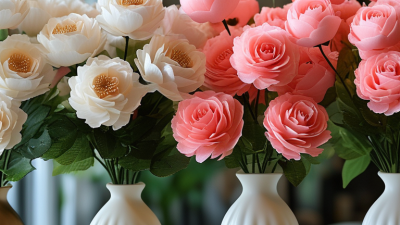
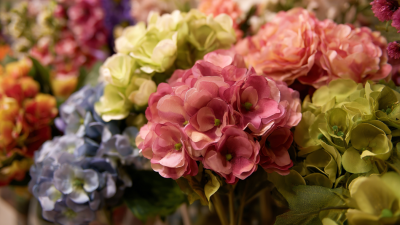
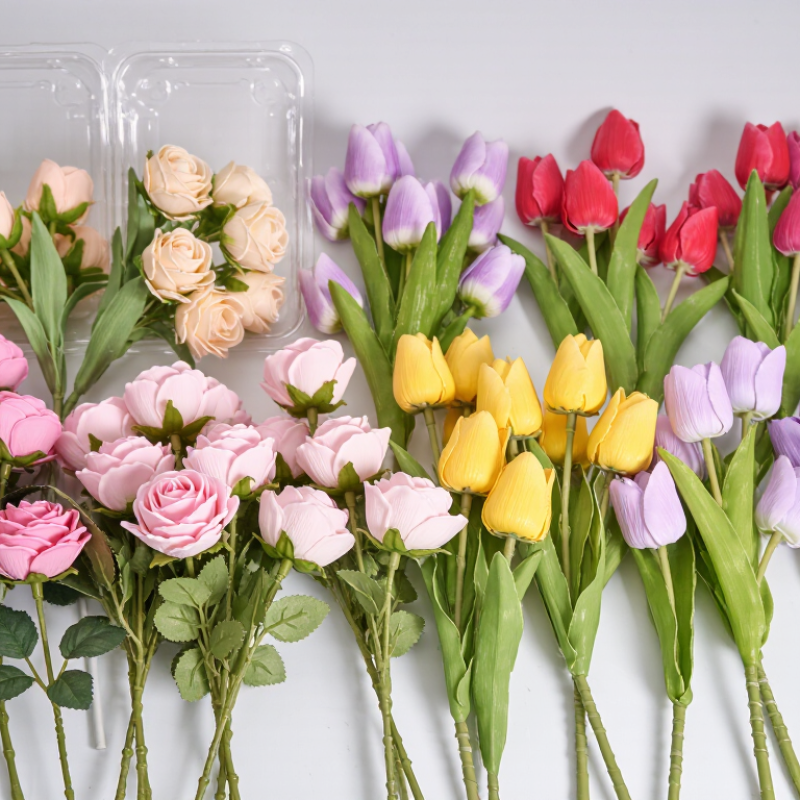
PU flowers are artificial blooms made with polyurethane, a flexible polymer that can be molded into petals, leaves, and stems. The material creates soft edges, realistic folds, and stable colors. It also handles repeated display better than many low-cost plastics.
Global demand reflects this practical value. Grand View Research’s Artificial Flowers Market Size, Share & Trends Analysis Report estimates the market reached about USD 1.55 billion in 2023. It projects growth of nearly 5.9% annually from 2024 to 2030. Fortune Business Insights also forecasts steady expansion, supported by home decoration, hospitality, events, and retail displays. PU flowers need no watering, sunlight, or seasonal replacement. That matters for hotels and international buyers managing large spaces. Still, “maintenance-free” is not completely accurate. Dust collects in petal creases, and strong sunlight may fade some finishes.
Tips:
Ask suppliers for close-up samples, material details, colorfastness testing, and stem-bending videos. Compare one sample after cleaning. It may reveal more than a catalog image. Buyers should also request packaging tests, because crushed petals are a common shipping problem. PU is durable, but disposal can be difficult because recycling depends on its formulation and local facilities. A reliable supplier should explain the material honestly, including its limits, rather than promising permanent perfection.
Key Factors for Choosing a Reliable PU Flower Supplier
For global buyers comparing the 10 best PU flower suppliers, reliability begins beyond catalog photos. Grand View Research’s 2024 report forecasts the artificial flowers market to grow at roughly 5.6% annually through 2030. Growth attracts new factories. It also increases quality risks. Request production samples, not showroom pieces. Check petal edges, stem flexibility, color consistency, odor, and coating adhesion. A dependable supplier should disclose factory capacity, monthly output, lead times, and inspection procedures.
Material knowledge matters. PU flowers can look realistic, but density, foam recovery, pigments, and bonding methods vary considerably. Ask for formulation details and aging-test results. For humid or outdoor markets, request UV and moisture-resistance data. MarketsandMarkets projects continued expansion in polyurethane applications, but broad industry growth does not ensure floral-grade consistency. That difference matters. A supplier may provide impressive paperwork while producing uneven batches. I would verify the documents independently.
Before signing, order a small pilot shipment. Measure carton compression, breakage, color variation, and actual delivery time. Use a written approval sample. Keep tolerance limits visible. Compare defect rates, replacement policies, and corrective-action records. A low quotation can conceal packing or inspection costs. Not always. Still, investigate. Communication deserves a score, too. One missed email can create thousands of mismatched stems. Suppliers who document changes usually create fewer surprises.
10 Best PU Flower Suppliers for Global Buyers: Key Selection Factors
Use this practical scoring framework to compare PU flower suppliers. The percentages represent recommended evaluation weights for international procurement, with product quality and compliance receiving the highest priority.
How to use it: Request samples, quality-control records, material documentation, production capacity details, delivery history, MOQ terms, and export support. Apply the same weights to every supplier for a more consistent comparison.
Global Import Tips for Purchasing PU Flowers Successfully
Buying PU flowers internationally requires more than comparing catalog prices. I have found that material consistency often matters more than a beautiful sample. Ask suppliers for product specifications, including polyurethane type, stem wire, dimensions, weight, and color tolerance. Request recent production photos and a physical sample from the same batch. Samples can mislead. Under strong warehouse lighting, colors may appear warmer or cooler than expected.
Before placing an order, verify the supplier’s manufacturing experience, inspection process, and export documentation. A reliable supplier should explain how petals are molded, painted, packed, and protected against crushing. Use a written purchase agreement with approved sample photos, acceptable defects, carton markings, and delivery terms. Do not assume a low quote is cheaper. Freight volume, import duties, damaged cartons, and replacement delays can change the final cost. Calculate landed cost per stem, not only the factory price.
For global shipments, confirm the destination country’s labeling, packaging, customs, and material compliance requirements with a qualified broker. Ask for safety data or material declarations when requested by local authorities or commercial buyers. Plan a small trial shipment before scaling. It exposes weak packing. My own purchasing reviews have shown that overlooked details, such as uneven stem lengths, create avoidable disputes. Leave room for inspection time and seasonal production delays. Some decisions will need revision. Keep records of approvals, payments, inspections, and claims, so every correction has evidence.