Sourcing Artificial Plants wholesale requires more than comparing catalog prices. A reliable process begins with clear product requirements, realistic budgets, and careful supplier research. Buyers should define plant types, sizes, materials, packaging needs, and expected order volumes before contacting factories or distributors.
Supplier verification matters. Request business details, product specifications, material information, and recent product photographs. Samples can reveal details that online images hide, such as uneven leaves, visible seams, strong odors, or unstable pots. Check whether foliage is made from polyester, plastic, or blended materials. Ask about UV resistance when products will be displayed near windows or outdoors. Confirm packaging methods, carton dimensions, minimum order quantities, lead times, and replacement policies in writing.
Small details matter.
Price alone can mislead. A low quote may exclude inner packaging, shipping preparation, inspection, or customization costs. Comparing landed costs creates a more accurate purchasing picture. Buyers should also review labeling and safety requirements for their target market. These requirements vary by location and product use, so professional advice may be appropriate.
No sourcing method is flawless. A promising supplier can still miss a color match or deliver inconsistent batches. I have found that simple quality checklists reduce avoidable surprises, although they cannot replace physical inspection. This guide explores supplier discovery, sample evaluation, negotiation, order management, and long-term wholesale relationships. The goal is practical judgment, not unrealistic promises. Reliable sourcing takes patience, documentation, and a willingness to question attractive offers.
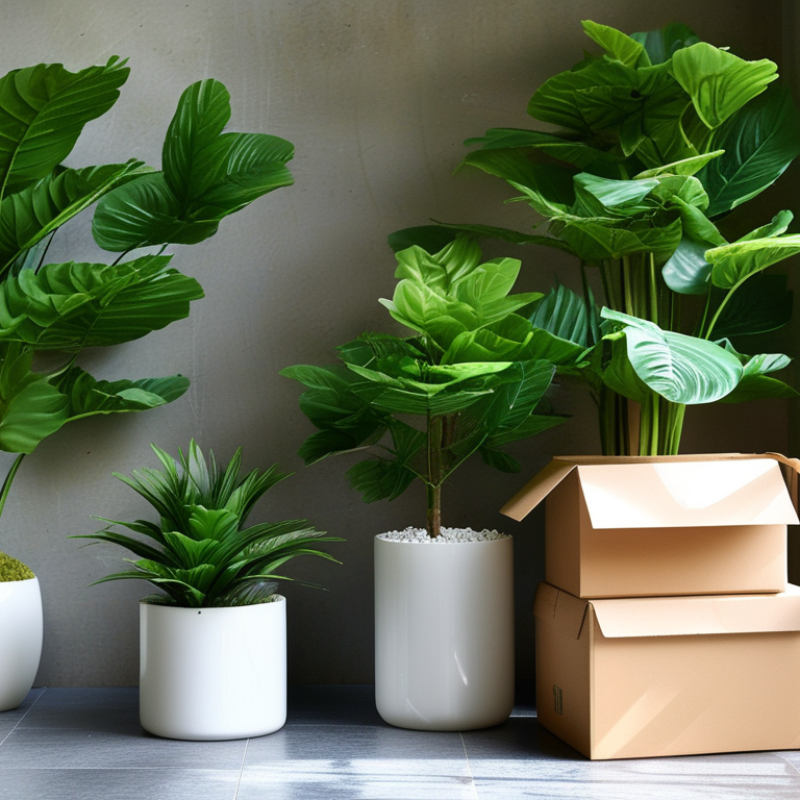
Before contacting an artificial plant wholesaler, define the exact products your business needs. Record plant types, heights, pot sizes, colors, and stem density. A 120-centimeter olive tree needs different packaging from a small desk succulent. Use photos, sketches, or measurements from your retail space.
Set a realistic purchasing plan. Include your target quantity, acceptable minimum order, budget per unit, delivery location, and required arrival date. Ask for sample approval before placing a large order. Inspect leaf texture, trunk stability, pot balance, color consistency, and visible seams. Request material details, care instructions, carton dimensions, and product weight. For public or commercial interiors, confirm any required safety documentation and applicable local standards.
I once underestimated carton volume. The freight charge changed the project. That mistake taught me to calculate landed cost, not unit price alone. Leave room for damaged cartons, seasonal demand, and storage limits. Also define your quality tolerance in writing, such as acceptable leaf variations or minor molding marks. Perfect uniformity may look artificial, but uncontrolled variation can weaken a display. Keep inspection photos and signed specifications for reliable communication. Small details matter.
Researching artificial plant wholesalers starts with a practical question: can this supplier deliver the same quality repeatedly? I request current catalogs, material specifications, minimum order quantities, and sample photos taken in natural light. Photos can hide rough seams. Whenever possible, I order a small sample and inspect leaf density, stem flexibility, pot stability, color consistency, and packaging. One sample is not enough. I ask how products are checked before dispatch, how defects are recorded, and whether replacement terms are written clearly. Vague answers worry me. Still, polished communication does not always mean reliable production.
Comparing suppliers requires a simple spreadsheet, not just a price list. I compare unit cost, sample cost, shipping estimates, production time, carton dimensions, payment terms, and order minimums. A cheaper plant may arrive with crushed leaves or inconsistent pot colors. I also check response speed and whether the sales representative answers specific questions without avoiding them. Ask for recent production images. Read independent trade feedback carefully, because glowing comments cannot prove stable service. If a supplier refuses material details or changes terms during discussion, I pause the order. My comparison process is imperfect; shipping quotes can change, and online images may be outdated. Before committing, I document every agreed detail, including color, dimensions, carton labeling, and inspection timing.
Indicative comparison of anonymous supplier profiles for artificial plant sourcing. Prices are typical wholesale ranges in USD per unit for standard medium-sized products and should be verified through quotations, samples, and shipping calculations.
| Supplier Profile | Typical Production Region | Core Product Range | Typical MOQ | Indicative Unit Price | Sample Cost | Production Lead Time | Common Materials | Customization Options | Quality Documentation | Shipping Terms to Confirm | Best Fit | Key Sourcing Risk | Overall Score |
|---|---|---|---|---|---|---|---|---|---|---|---|---|---|
| Profile A Large-scale factory |
East and Southeast Asia | Artificial trees, palms, hanging plants, preserved-look foliage, decorative planters | 300–1,000 units per style | US$4.50–US$24.00 | US$25–US$80, often refundable after bulk order | 25–45 days after artwork and deposit approval | PE, PVC, polyester fabric, wire stems, cement or plastic pots | Color matching, pot selection, logo packaging, leaf density, custom dimensions | Pre-shipment inspection, material declaration, carton drop-test report on request | FOB, CIF, or DDP depending on destination and order volume | Retailers requiring competitive pricing and repeat production | Higher MOQ and possible variation between production batches | 8.7 |
| Profile B Mid-sized export supplier |
East and Southeast Asia | Small artificial plants, tabletop arrangements, succulents, floral stems, office décor | 100–300 units per style | US$2.20–US$12.00 | US$15–US$50 plus freight | 20–35 days for standard items | PE, latex-coated fabric, polyester, galvanized wire, ceramic or resin containers | Packaging artwork, mixed-color assortments, private labels, minor shape adjustments | Product specification sheet, basic factory inspection, photos before shipment | FOB or EXW; buyer normally arranges main transportation | Online sellers and regional distributors testing several designs | Limited capacity during seasonal demand peaks | 8.4 |
| Profile C Trading and sourcing agent |
Multi-region sourcing network | Mixed artificial foliage, decorative pots, seasonal collections, bundled displays | 50–150 units per style or mixed-carton order | US$3.50–US$18.00 | US$20–US$70 depending on source factory | 30–55 days including supplier coordination | Varies by factory; commonly PE, PVC, fabric, metal wire, resin, and cement | Assortment building, consolidated purchasing, packaging coordination, product sourcing | Inspection arranged through third parties; documentation depends on the selected factory | EXW, FOB, CIF, or consolidated freight service | Buyers needing lower MOQs and multiple product categories | Less direct control over factory quality, pricing, and production schedules | 7.8 |
| Profile D Regional wholesaler |
North America, Europe, and other local distribution hubs | Ready-to-ship floor plants, tabletop plants, pre-potted arrangements, seasonal décor | 12–48 units per item | US$9.00–US$45.00 | Usually no sample charge; one-unit purchase may be available | 2–10 business days if in stock | PE, polyester, plastic pots, natural wood, resin, and cement blends | Limited customization; private labeling may be available for larger accounts | Product dimensions, country-of-origin information, care instructions, commercial invoice | Domestic freight, parcel delivery, or warehouse pickup | Small retailers prioritizing speed and low inventory commitment | Higher unit cost and fewer options for custom designs | 8.1 |
| Profile E Low-cost bulk supplier |
South and Southeast Asia | Basic artificial vines, simple stems, low-cost tabletop plants, event decoration | 500–2,000 units per style | US$1.20–US$8.50 | US$10–US$35 plus international freight | 30–60 days, depending on material availability | PVC, polyester, thin wire, molded plastic, lightweight foam | Basic color changes, carton printing, assortment packing | Commercial invoice, packing list, inspection available at additional cost | FOB or EXW; freight and import compliance handled by buyer | High-volume discount retailers and event-supply businesses | Greater risk of inconsistent color, foliage density, and packaging quality | 7.4 |
| Profile F Premium décor specialist |
Europe and selected Asian production partners | Botanically detailed trees, realistic stems, hospitality décor, commercial interior displays | 25–100 units per style | US$18.00–US$120.00 | US$45–US$150, usually applied to approved orders | 35–70 days for custom or project-based orders | High-density PE, coated fabric, metal frames, natural bark accents, weighted composite pots | Custom height, trunk structure, pot finish, foliage density, project-specific color palettes | Detailed specifications, flame-retardancy documentation where available, inspection reports | DDP, CIF, or project freight with delivery scheduling | Hotels, offices, restaurants, and premium interior-design projects | Higher investment, longer approval cycle, and specialized packaging requirements | 8.9 |
| Profile G Marketplace-based supplier |
Multiple international supplier locations | Trending artificial plants, seasonal items, small décor sets, giftable arrangements | 10–100 units per listing | US$3.00–US$22.00 | Usually available at listed unit price | 7–30 days before dispatch, excluding transit | Varies widely; commonly PVC, PE, fabric, wire, plastic, and resin | Usually limited; some sellers provide packaging or assortment changes | Listing specifications, seller-provided photos, optional third-party inspection | Parcel shipping, consolidated freight, or platform-managed delivery | Market testing and small initial orders | Supplier information, quality consistency, and stock availability can change quickly | 7.6 |
| Profile H Sustainable-material supplier |
Asia, Europe, and certified material supply chains | Recycled-content foliage, reusable displays, low-plastic packaging, commercial greenery | 100–500 units per style | US$7.00–US$42.00 | US$30–US$100 depending on material and construction | 30–60 days after material confirmation | Recycled PE or polyester, metal wire, recycled plastic, wood, paper-based packaging | Material selection, recycled-content targets, packaging reduction, custom labeling | Material declarations, recycled-content evidence, packaging specifications, inspection reports | FOB, CIF, or DDP depending on sustainability documentation and destination | Brands and commercial buyers with environmental purchasing requirements | Higher price and the need to verify environmental claims independently | 8.3 |
Wholesale buyers should evaluate artificial plants through materials, construction, and visual accuracy. Grand View Research estimated the global artificial plants market at about USD 1.4 billion in 2022, with steady growth expected through 2030. That growth attracts inconsistent suppliers. Request close-up photos, material specifications, and production samples before ordering.
Polyethylene leaves usually offer stronger texture and more natural surface variation than simple PVC leaves. Polyester can create soft petals, but thin fabric may fray around the edges. Check stem flexibility, leaf attachment, color consistency, and pot stability. Bend several stems repeatedly. A weak wire core will expose poor workmanship quickly. For outdoor designs, ask for UV-resistance test details rather than accepting vague claims. Design choices also matter: compare leaf density, branch angles, trunk color, pot proportions, and seasonal styles. A dense plant may look impressive online, yet appear crowded in a showroom.
Tips: Build a small comparison sheet for every sample. Record weight, materials, dimensions, finish, packaging damage, and color differences. The National Retail Federation reported that returns represented 14.5% of U.S. retail sales in 2023, showing why accurate product expectations matter. Request one carton for inspection. Even experienced buyers miss subtle color shifts under warehouse lighting. My own practical preference is to judge samples beside natural daylight, not only catalog images. That method is slower, but it prevents attractive photographs from hiding disappointing texture.
Wholesale artificial plants look inexpensive until freight and defects enter the calculation. Grand View Research estimated the global artificial plants market at approximately USD 1.9 billion in 2023, with growth projected through 2030. That expansion attracts more suppliers, but price comparisons remain difficult. A 60-cent plant may use thin plastic leaves, weak stems, and oversized cartons. Request a sample before negotiating volume prices. Measure its packed size, weight, leaf density, and color consistency.
Minimum order quantities often range from 50 to 200 pieces per design, depending on materials and customization. Lower MOQs usually carry higher unit prices. For a trial order, ask for mixed colors or styles within one carton. This reduces dead stock. It is not always accepted. Still, the request exposes how flexible the supplier really is. Build a cost sheet including product price, packaging, inspection, duties, inland transport, and ocean or air freight. A cheap quotation can become expensive after delivery.
Shipping terms deserve careful review. Specify whether the quote is EXW, FOB, CIF, or DDP, and request carton dimensions before signing. The World Bank’s Logistics Performance Index 2023 assessed 139 economies and highlighted major differences in shipment reliability and delivery speed. Ask for a realistic production schedule, port of departure, booking responsibility, and damage-claim process. Include photos of cartons before loading. I would avoid paying the full balance before inspection. That choice may slow the order, but rushed purchasing often creates larger losses.
A sample order should be a field test, not a decoration exercise. Grand View Research estimates the global artificial plants market reached about USD 1.7 billion in 2023. It projects a compound annual growth rate near 5.7% through 2030. Definitions vary across reports, so record each source carefully. Order three to five samples with different sizes, leaf shapes, pot finishes, and packing methods. Place them in real rooms for seven days. Check color under daylight, stem recovery, base stability, odor, dust collection, and carton damage. Photograph every defect.
Use a scorecard before discussing price. Appearance can represent 30%, durability 25%, packaging 20%, and delivery consistency 25%. Ask for material specifications, carton dimensions, unit weight, and inspection photos. A low sample price means little if the leaves arrive crushed. Request a small pilot shipment after approval. Measure breakage, actual dimensions, and unpacking time.
Build reorder rules from evidence. McKinsey’s global supply-chain survey reported that 73% of companies encountered supply-chain problems in 2020. That statistic is not plant-specific, but it supports backup planning. Keep a second qualified source for important shapes or colors. Set a reorder trigger using sales speed, production lead time, and safety stock. My first sample often looks perfect. The second shipment can expose weak cartons or inconsistent foliage. Review those failures honestly, then revise the specification before scaling.
Place a Sample Order and Build a Reliable Supply Plan
A practical wholesale sourcing cycle commonly includes supplier screening, sample production, quality inspection, pilot shipment, and reorder planning. Allowing time for each step helps buyers validate product quality, packaging, color consistency, and delivery performance before committing to larger purchase volumes.