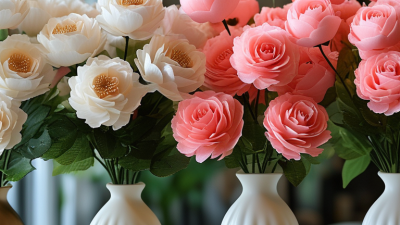
Choosing Plastic Flowers for your business involves more than selecting attractive colors from a catalog. The right products should suit your customers, display environment, budget, and selling channel. A boutique may need delicate peonies with realistic petals, while a hotel lobby may require larger arrangements that remain attractive under strong lighting. Small details matter. Look closely at petal texture, stem flexibility, leaf thickness, and color consistency across multiple pieces.
Practical buying experience shows that samples are essential. Product photos can hide visible seams, excessive shine, or weak wire stems. Request material specifications, care instructions, and supplier information before placing a large order. If the flowers will be used near windows, ask about color stability and expected performance under sunlight. For public venues, review relevant safety guidance and confirm that the products meet applicable local requirements. Independent test reports may provide additional confidence, although they do not replace your own inspection.
This guide will examine appearance, durability, pricing, packaging, and supplier reliability. It will also explain how to compare Plastic Flowers for retail displays, events, hospitality spaces, and online sales. A low purchase price can become expensive when flowers arrive damaged or require frequent replacement. That happens.
However, no checklist can predict every customer response. A realistic design may appeal to one audience and disappoint another. Test a small quantity first, photograph the arrangement in its intended setting, and gather honest feedback. Your first choice may not be perfect. That is useful. Careful revision usually produces a stronger buying decision.
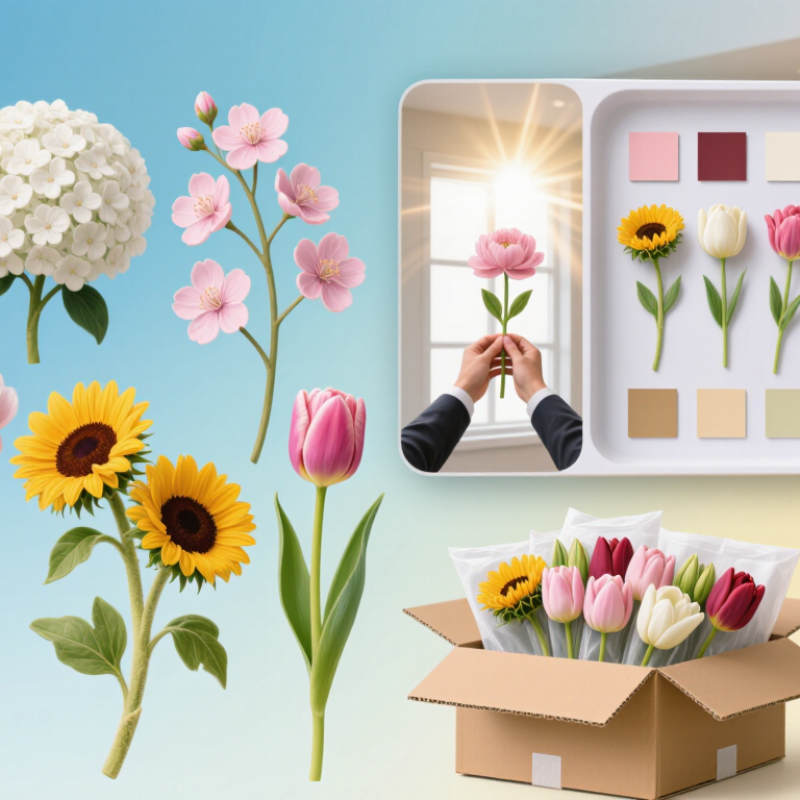
Define your business needs before choosing plastic flowers. A hotel lobby may need tall arrangements that remain attractive under strong air conditioning. A small gift shop may prefer compact stems for easy display and storage. Measure your shelves, tables, and available storage space carefully. Also consider cleaning routines, sunlight exposure, and how often staff will rearrange products.
Your target customers should guide the style, color, and price. Interior designers often value realistic textures and flexible stems. Event planners may need lightweight flowers in several colors for repeated setups. Budget-conscious shoppers may prefer simple bouquets with clear, durable packaging. Observe what customers touch first. Their choices can reveal more than survey answers.
I once underestimated the importance of stem flexibility. Customers liked the colors but rejected flowers that looked difficult to arrange. The first estimate may be wrong.
Tips: Create two or three customer profiles before ordering. Record their age range, buying purpose, preferred colors, and typical budget. Test a small sample beside real products in your shop. Check whether petals look natural under warm and cool lighting. Ask staff to handle the flowers repeatedly. Small flaws become obvious quickly. Avoid selecting only by catalog photos. Some details look convincing online but feel artificial in person. Keep notes on returns and customer comments, even when the feedback seems minor.
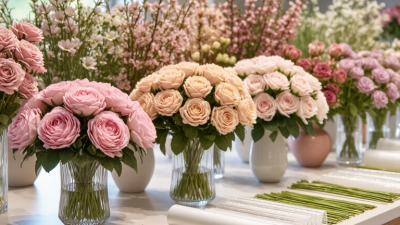
Material affects appearance, durability, and cost. Polyethylene flowers usually feel flexible and resist minor crushing during shipping. PVC petals can hold sharper shapes, but they may feel stiffer. Polyurethane offers a softer touch and detailed textures, although it often costs more. Ask for material specifications, colorfastness information, and production samples before placing a large order. Do not trust photos alone.
Style should match the selling environment. Soft pastel blooms suit wedding displays and boutique interiors. Bold, oversized flowers attract attention in retail windows. Small arrangements work better for hotel tables, gift sets, and compact apartments. Check petal edges, stem thickness, leaf attachment, and color consistency. A realistic flower needs varied tones, not one flat shade. Tiny imperfections can sometimes look natural. Too many look careless.
Quality is more than visual beauty. Bend several stems and inspect whether they return without cracking. Rub a dark petal lightly with a clean white cloth. Test the flower under bright indoor lighting, where cheap color changes become obvious. For outdoor use, request UV-resistance evidence and test one sample for several weeks. I once selected a beautiful batch that faded near a sunny window. That mistake changed my inspection process. Still, no sample predicts every shipment perfectly. Keep written tolerances for color, size, odor, and packaging damage. Reliable suppliers should answer specific questions clearly and replace inconsistent samples without vague promises.
How to Choose Plastic Flowers for Your Business?
Color, size, and seasonal variety shape how customers judge artificial flowers. Start with your selling environment. Soft ivory and muted green suit home décor shops. Bright orange, pink, or yellow attract attention at outdoor markets. Always compare samples under daylight and store lighting. Colors can look surprisingly different.
Choose sizes that match your customers’ projects. Small stems work well for table arrangements, gift boxes, and narrow shelves. Large blooms create impact in displays, but they need stronger packaging. Measure stem length, flower width, and vase depth before ordering. I once selected oversized peonies that looked impressive online. They crowded most customer containers. That mistake reduced practical sales.
Seasonal planning needs both familiar and flexible products. Offer roses and greenery throughout the year. Add pastel flowers for spring, sunflowers for summer, and warm tones for autumn. Winter customers may prefer white arrangements, berries, or frosted foliage. Check color consistency across batches, especially when reordering popular items. Ask suppliers about UV resistance, material safety, and cleaning instructions. These details support reliable product descriptions. They also help staff answer questions accurately.
Avoid buying every seasonal style at once. Demand can change quickly. A small test order reveals more than assumptions. Track which colors sell, which sizes remain untouched, and which displays receive comments. My own planning has been imperfect. Customer taste is rarely as predictable as a spreadsheet.
| Product Option | Common Color Palette | Typical Finished Size | Best Business Use | Seasonal Demand Window | Display and Stocking Notes |
|---|---|---|---|---|---|
| Rose Stems | Red, white, blush, pink, cream | 35–60 cm stem length; 6–10 cm flower head | Gift shops, event décor, wedding arrangements, home displays | Year-round; stronger demand around Valentine’s Day, weddings, and Mother’s Day | Keep classic colors as core stock and add soft pink or blush for romantic collections. |
| Tulip Stems | Yellow, pink, purple, white, mixed pastels | 30–45 cm stem length; 4–6 cm bloom | Spring collections, table arrangements, lifestyle retail | Late winter through spring; useful year-round in pastel assortments | Pastel colors suit spring merchandising, while white and purple can remain in year-round assortments. |
| Hydrangea Heads | White, blue, lavender, green, dusty pink | 15–25 cm head diameter | Large arrangements, wedding décor, hospitality interiors | Spring and summer; white and green remain suitable throughout the year | Large heads create volume quickly, helping businesses reduce the number of stems per arrangement. |
| Sunflower Stems | Golden yellow, amber, brown, green | 45–75 cm stem length; 10–18 cm flower head | Autumn displays, farmhouse décor, seasonal retail collections | Late summer through autumn; limited demand in winter and spring | Use as a focal flower and avoid excessive seasonal inventory after autumn promotions end. |
| Peony-Style Blooms | Blush, coral, white, burgundy, pale pink | 40–60 cm stem length; 8–14 cm flower head | Premium-looking arrangements, bridal décor, gift products | Spring through early summer; popular for weddings year-round | Use fuller blooms in premium displays and combine them with smaller flowers to control arrangement cost. |
| Lavender and Small Filler Stems | Purple, lilac, white, sage green | 25–50 cm stem length; narrow profile | Small bouquets, craft kits, rustic décor, shelf displays | Year-round; especially suitable for spring and rustic themes | Requires little display space and works well as an add-on product near vases and containers. |
| Greenery and Foliage | Natural green, olive, eucalyptus green, variegated green | 30–90 cm stem length; trailing styles vary | Arrangement support, office décor, restaurants, retail window displays | Year-round; demand increases for wedding and event styling | Stock several textures and lengths because greenery supports nearly every flower color and arrangement style. |
| Mini Potted Arrangements | White, pink, yellow, mixed seasonal colors | 10–25 cm total height; compact pot format | Desks, shelves, reception areas, affordable impulse purchases | Year-round; refresh colors for holidays and seasonal campaigns | Compact products are easy to ship and display, but pot stability and dust resistance should be checked. |
| Large Statement Branches | White, cream, green, burgundy, muted seasonal tones | 80–150 cm total height | Hotels, restaurants, showrooms, entrance and window displays | Year-round; color changes can support seasonal visual merchandising | Confirm packaging dimensions, storage capacity, and vase compatibility before ordering large quantities. |
Choosing plastic flowers for a business requires more than attractive product photos. Grand View Research reported that the global artificial flowers market was valued at approximately USD 1.6 billion in 2022. It also forecast steady growth through 2030. This signals strong demand, but quality still separates repeat orders from complaints.
Check suppliers through samples, factory photographs, material specifications, and shipment records. Ask whether stems contain wire, whether petals resist color fading, and how products are packed. Request a written quotation with unit price, packaging cost, tooling fees, freight terms, and expected lead time. Compare landed costs, not only the catalog price. A low quote can hide weak cartons or high replacement rates.
Minimum order quantities deserve careful attention. Large MOQs may reduce unit pricing, but they can trap cash in slow-moving colors. Request mixed-color cartons or a trial order when testing a new collection. Customization may include flower size, stem length, color matching, packaging, and logo printing. Confirm sample fees, revision limits, production tolerance, and approval procedures before payment. The Global Plastic Products Market report by Fortune Business Insights identifies customization and decorative applications as important demand factors, though market estimates differ between research firms. That uncertainty matters. A buyer's checklist is never perfect. Keep written records, inspect pre-shipment samples, and leave room for seasonal demand changes.
How to Choose Plastic Flowers for Your Business?
Durability should match how customers will use the flowers. For busy retail displays, choose petals that resist bending, fading, and surface cracking. Gently flex stems and leaves before ordering samples. Good materials usually recover their shape without white stress marks. Outdoor use needs stronger color stability and better resistance to moisture. Still, no plastic flower stays perfect forever. Sunlight, dust, and repeated handling eventually show wear.
Safety deserves practical inspection, not just attractive photographs. Check whether stems have exposed wires, sharp edges, strong odors, or loose decorative pieces. Rub a white cloth across colored petals to test for transfer. Ask suppliers for material details, production records, and relevant safety test reports. Requirements may differ between markets, so confirm the rules that apply to your sales channel. A sample inspection is more reliable than a written promise.
Packaging affects both appearance and operating costs. Each flower should have enough space to protect delicate petals, but excessive plastic packaging creates waste and storage pressure. Use sturdy cartons, internal dividers, and moisture protection when needed. Store cartons away from direct sunlight, damp floors, and heavy loads. Keep different colors separated to prevent rubbing and staining. Measure carton size before purchasing; a beautiful product can become inconvenient when it consumes too much warehouse space. I once underestimated this issue. The flowers sold well, but the oversized cartons slowed every restocking task.
Assess durability, safety, packaging, and storage requirements before placing a commercial order.
The reference scores represent a practical procurement assessment on a 0–100 scale. Prioritize fade and break resistance for long-term displays, confirm smooth edges and low odor for safety, inspect protective packaging, and compare storage volume before selecting a supplier.