How to Choose Imitation Plants for Your Business?

Choosing Imitation Plants for your business is not simply a matter of picking the most realistic leaves. The right choice depends on where the plants will sit, how customers will see them, and how much upkeep your team can manage. A leafy arrangement beside a bright shop window may fade or look artificial sooner than one placed in a shaded reception area. Details matter.

Start with the setting. Measure shelves, planters, and walkways, then compare those dimensions with product specifications. Check leaf texture, stem flexibility, color variation, and the finish of visible potting materials. Request physical samples when possible. Photos can make foliage appear fuller or more natural than it looks under your own lighting. Small mismatches stand out.

For a hospitality venue, durability and easy cleaning may matter more than botanical accuracy. In an office, restrained shapes and consistent colors may suit the space better. Ask suppliers about materials, care instructions, expected color stability, and available product documentation. Confirm delivery times, minimum order quantities, and replacement options before committing to a large purchase. A low unit price can become less attractive when shipping, assembly, or replacements are included.

There is no perfect checklist. A sample may look convincing at a desk but feel oversized across a showroom. Test a few pieces in the intended location, and ask staff for honest feedback. Their daily experience can reveal practical issues that product descriptions miss. Well-chosen Imitation Plants should fit the space, budget, and brand—not just look good in a catalog.
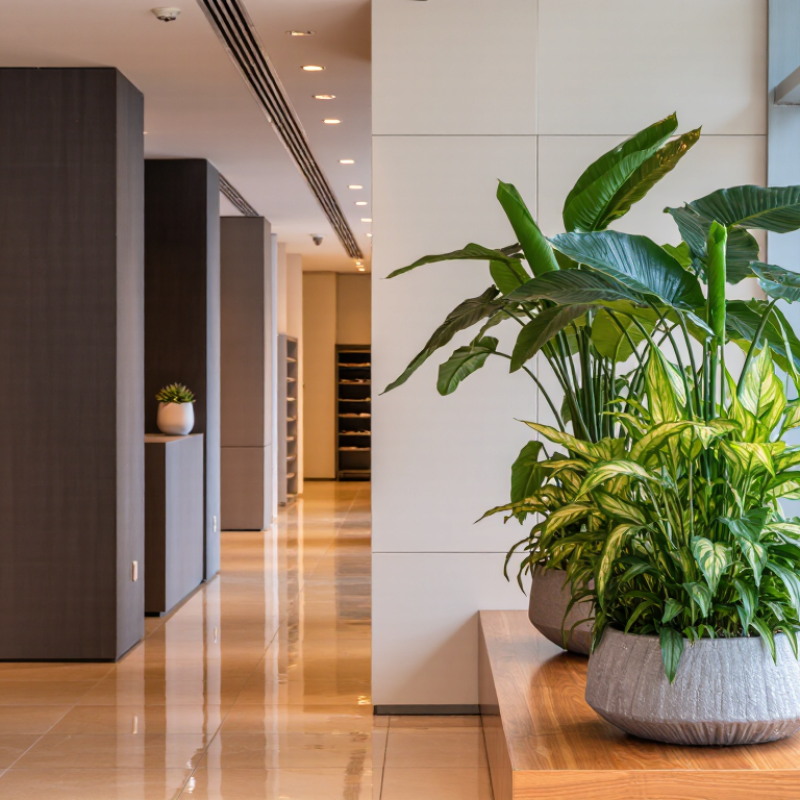
How to Choose Imitation Plants for Your Business?

Identify Your Business Needs and Intended Use

Before choosing imitation plants, decide where they will go and what they need to accomplish. A reception desk may need one compact arrangement, while a large dining area may benefit from several tall plants that soften empty corners. Measure the space, including ceiling height and walkway clearance. A plant that looks balanced online can overwhelm a narrow entrance.

Consider the conditions and daily upkeep. Bright windows can make faded leaves more noticeable, while busy areas collect dust on broad foliage. Choose shapes that staff can wipe quickly, and avoid delicate branches in tight, high-traffic spots. Think about viewing distance, too. Fine leaf details matter near a seating area; larger, simpler forms often read better across a lobby. Keep it practical.

The intended impression matters as much as appearance. A spa might call for calm greens and restrained arrangements, while a shop display may need stronger color or a seasonal focal point. Match pot size and finish to existing furniture, then test one arrangement in the actual space before ordering several. Small samples help. I have seen scale judged poorly from photos alone; even careful planning can miss how a plant blocks a sign or feels beside a real chair. Allow room to adjust.
Compare Imitation Plant Materials and Realism

When comparing imitation plants, inspect the material before judging the color. Polyethylene and polypropylene leaves often hold crisp molded veins and resist everyday handling. Polyester fabric can create softer, layered petals, but frayed edges or shiny surfaces may look less convincing under bright shop lighting. Some products combine materials; ask suppliers for a sample, not just a catalog photo.

Grand View Research estimated the global artificial plants market at about US$1.6 billion in 2023 and projected 4.5% annual growth from 2024 to 2030. That market signal makes material consistency worth checking across repeat orders.

Compare leaf thickness, color variation, stem flexibility, and how surfaces look beside a window. Matte finishes and subtle shifts between leaf tones usually appear more natural than uniform, glossy green. Small details matter.

For outdoor displays, ask for documented UV-resistance testing; indoor suitability does not prove outdoor durability. Bend a wired stem gently and check whether it holds its shape without exposing the wire. Check the underside too. It can reveal rough seams or thin coatings. A close-up may still expose the imitation, and that is worth acknowledging: the goal is believable distance viewing, not a perfect botanical replica.

Choose Plant Types, Sizes, and Display Formats

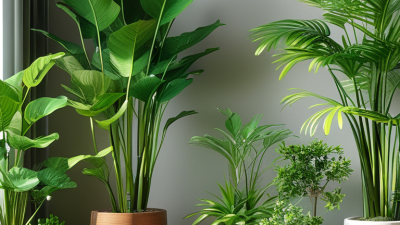
Choose plant types by the conditions they need to suggest, not by appearance alone. Ferns and trailing vines soften shelves, while upright grasses add height beside reception desks. Broad-leaf plants create a strong focal point in a lobby. For a realistic effect, compare leaf shape, surface sheen, and color variation at normal viewing distance. Very glossy leaves can look artificial under bright ceiling lights.

Size should suit both the room and the furniture around it. A tall floor plant can balance a blank corner, but it may crowd a narrow walkway. Small succulents work well on counters and café tables, where low profiles preserve sightlines. Measure twice. Include the planter in the total height, and check whether branches extend into doors or seating areas. Keep the palette calm. Matching every plant exactly can make a display feel staged, though inconsistent greens may also look accidental.

Display format affects upkeep and visual rhythm. Use individual pots when staff need to move plants for cleaning or seasonal changes. Grouped arrangements can fill wide planters, but varied heights help prevent a flat, uniform look. Hanging baskets suit high ceilings; they may feel intrusive in compact rooms. For window displays, check the view from outside as well as inside. One judgment call remains: a sparse arrangement often looks more natural, yet busy retail spaces may need fuller foliage to register from a distance.

How to Choose Imitation Plants for Your Business? - Choose Plant Types, Sizes, and Display Formats

Plant Type Typical Size Range Suitable Display Format Common Business Settings Selection Considerations
Succulents and small cacti 4–10 in. tall Small pots, grouped arrangements, shelf displays Reception desks, retail counters, workstations, café tables Choose compact pots that leave enough usable surface area. Group several shapes or heights for a fuller display.
Small leafy plants 12–24 in. tall Decorative tabletop pots, low planters, shelf arrangements Meeting rooms, hotel rooms, waiting areas, store shelving Check the total height with the pot included, especially when placing plants below shelves or signage.
Medium floor plants 3–5 ft tall Individual floor pots, pairs beside furniture, grouped corner displays Office corners, restaurant seating areas, lobbies, retail entrances Measure available floor and overhead clearance. A wider planter or concealed weighted base can help create a stable display.
Large artificial trees 5–8 ft tall Large floor planter, feature display, entrance or atrium grouping Hotel lobbies, spacious offices, shopping areas, event venues Confirm ceiling height, doorway access, and transport requirements. For tall trees, check the base and manufacturer’s stability guidance.
Trailing and hanging plants 18–36 in. of trailing length Hanging baskets, high shelves, wall-mounted planters Cafés, boutiques, break rooms, hospitality interiors Allow clearance beneath the foliage and keep trailing leaves away from walkways, doorways, and equipment.
Artificial hedge panels Common modular panels are approximately 20 × 20 in.; sizes vary Wall coverage, partitions, backdrop panels, photo areas Retail feature walls, reception backdrops, event spaces, outdoor screening Measure the full coverage area and check how panels connect. For outdoor use, verify that the product is rated for the intended exposure.
Mixed greenery arrangements Varies; often 12–36 in. overall Table centerpiece, long trough planter, multi-pot grouping Conference tables, restaurant counters, reception areas, showroom displays Choose an arrangement proportionate to the furniture and sightlines. Low centerpieces are useful where people need to see across a table.

Planning note: Size ranges are general selection guidelines; dimensions and proportions vary by product. Before ordering, measure the display area and confirm the plant’s overall dimensions, pot size, material, and suitability for indoor or outdoor use.

Evaluate Durability, Safety, and Maintenance Needs

Choose imitation plants by considering their location and daily use. In a sunny shopfront, ultraviolet exposure can fade leaves and make some plastics brittle. In a shaded reception area, dust and frequent handling may matter more. Inspect a sample closely. Look at leaf edges, stem joints, and the base. Loose flocking, exposed wire, or weak joints can create problems during routine cleaning or moving.

Check product documentation for material and fire-performance information, then compare it with your building’s requirements. Do not assume “artificial” means risk-free. Keep arrangements away from heaters and clear of exits, walkways, and sprinkler coverage. For spaces used by children or customers with limited mobility, avoid sharp projections and unstable pots. A heavy, broad base can help prevent tipping, though it may be awkward to reposition.

Maintenance should fit the staff’s actual routine, not an ideal schedule. Ask for clear cleaning instructions before buying. Many plants can be dusted with a soft cloth or brush, but confirm before using water or cleaning products. Dust collects quickly. Check high-touch leaves and joints during regular upkeep, and replace pieces that shed or loosen. One detail is easy to miss: intricate foliage looks convincing, but takes longer to clean. I would weigh that trade-off against the room’s traffic and available staff time.

Review Supplier Quality, Pricing, and Delivery Options

Choosing imitation plants for a business starts with checking what the supplier can consistently deliver. Request physical samples, not just polished photos. Examine leaf color, stem strength, surface finish, and how securely parts are attached. Compare sample dimensions with the product sheet, and ask whether bulk orders use the same materials. If plants will sit near sunny windows, ask about color fading and suitable placement. Small details matter.

Compare the full cost, not only the unit price. Include packaging, minimum order quantities, customization, freight, and potential charges for damaged goods. Request a written quotation with clear product specifications and payment terms. A low quote can be appealing. It can also leave important costs unclear. I would not assume the cheapest option is best without checking what is included.

Delivery plans deserve equal attention. Confirm whether items are in stock or made to order, then ask for estimated dispatch and transit times. Request updates at key stages and clarify how shortages or transit damage are handled. Order a small quantity before committing to a large display, when practical. A sample can look perfect while bulk quality varies; that risk is easy to underestimate. Keep a little schedule flexibility, since delivery estimates are not guarantees.