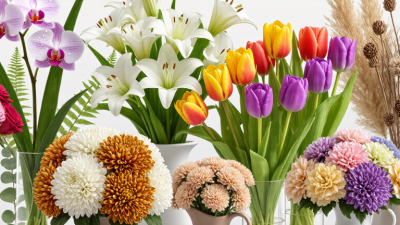
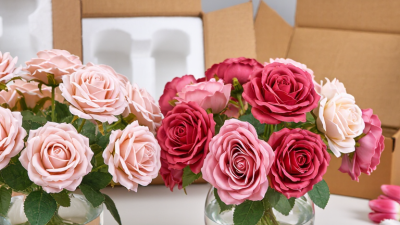
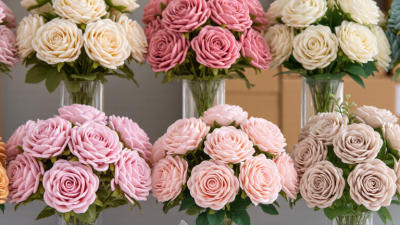
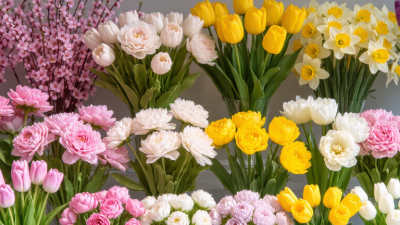
An Imitation Flower is a crafted replica designed to resemble a natural bloom. It may be made from fabric, plastic, paper, foam, or a combination of materials. The petals can mimic the color and shape of a rose, peony, or wildflower, while stems and leaves add detail. Some versions look convincing from across a room but reveal their artificial texture up close. That difference matters.
Imitation flowers offer a practical option when fresh blooms are unavailable, short-lived, or difficult to maintain. They need no watering, and they can keep their shape through changing seasons. A silk arrangement on a hallway table, for example, can provide color without sunlight or daily care. But not every imitation flower is durable or realistic. Materials, construction, and finish vary widely. A thin stem may bend, and glossy petals can look unnatural under bright light.
When choosing one, examine the flower in natural light if possible. Check whether the petals feel sturdy, the colors look balanced, and the stem sits securely in its base. Consider where it will be displayed and how often it may need cleaning. A soft brush or gentle dusting is often enough, depending on the material. No replica is quite the same as a living bloom. Some people may still prefer the scent and subtle variation of fresh flowers, and that is fair. The useful question is not whether imitation flowers are perfect, but whether their appearance and care suit a particular space.
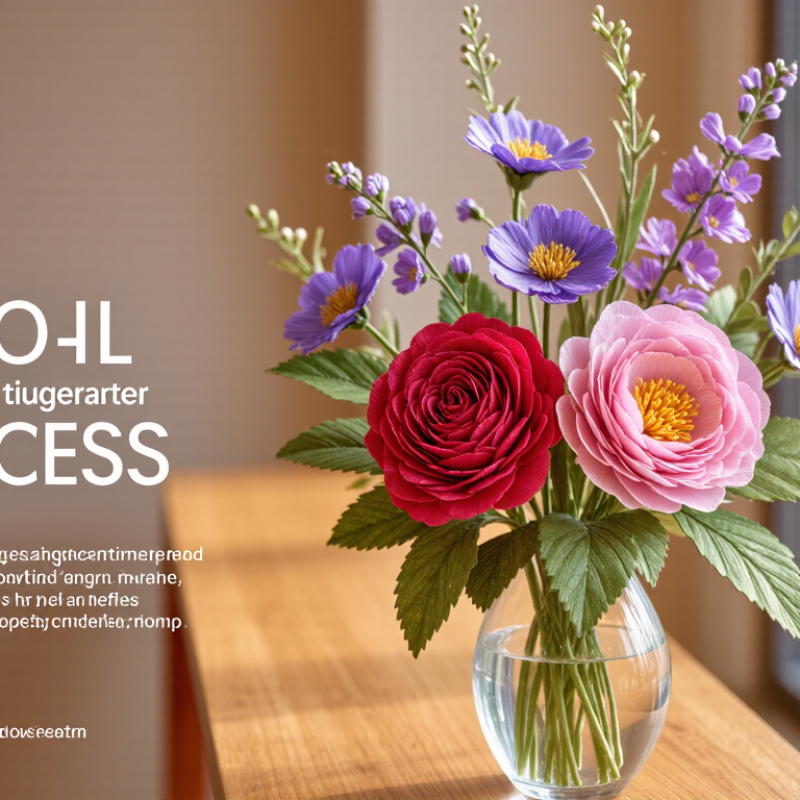
An imitation flower is a manufactured bloom designed to resemble a natural one. It may be made from polyester, plastic, paper, or other materials, depending on its intended use. Some imitate familiar flowers closely; others favor simplified shapes and colors. The term describes a broad category, not one fixed level of quality.
Consistency is one noticeable characteristic. Each bloom in a set often keeps a similar shape and color, which can help create an even-looking arrangement. Unlike fresh flowers, imitation flowers do not need water and will not wilt from lack of it.
They can still collect dust, and prolonged sunlight may fade some materials. Practical does not mean maintenance-free.
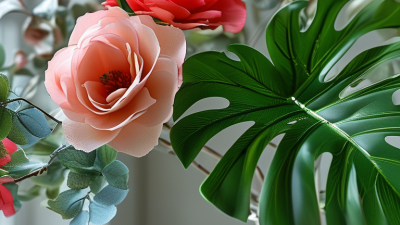
Construction affects how realistic a flower appears. Look closely at the petal edges, color transitions, leaf veins, and the point where the stem meets the bloom. Flexible stems can be repositioned, while firmly attached petals may hold their shape better during handling.
Touch can reveal differences, too: some surfaces feel soft or fabric-like; others feel smooth and distinctly synthetic.
That matters.
No imitation is perfect, and a convincing look from across the room may feel less convincing up close. When choosing one, consider viewing distance, placement, and how much detail the space calls for.
What Is an Imitation Flower?
Materials Used to Make Imitation Flowers
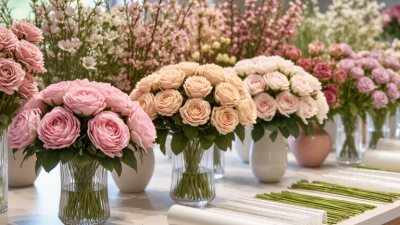
Imitation flowers are made from several materials, each affecting their texture, shape, and care. Polyester is common because it holds color well and can be shaped into soft-looking petals. “Silk flowers” may use polyester or other synthetic fabric rather than real silk, so the label does not always describe the actual fiber. Paper flowers show crisp folds and handmade details, but moisture can quickly damage them. Lightweight, but fragile.
Plastic is often used for stems, leaves, and molded petals. It keeps its shape and wipes clean, though glossy surfaces can look less natural up close. Some flowers use foam or latex-like coatings to create softer, thicker petals. A thin wire inside the stem makes it possible to bend the flower toward a light or arrange it in a narrow vase. That flexibility has a trade-off: repeated bending may weaken the wire or loosen its covering. Material matters. For a display near a sunny window, fading and heat are worth considering; fabric and plastic can both change with prolonged exposure. I’d check the petal edges and stem covering, too—those small details often reveal more than a product photo.
What Is an Imitation Flower?
Common Types and Styles of Imitation Flowers
Imitation flowers are crafted to resemble fresh blooms, using materials such as silk, polyester, paper, or molded plastic. Their styles range from single-stem roses to full seasonal arrangements. A 2024 Grand View Research report estimated the global artificial flowers market at around US$1.5 billion in 2023, reflecting steady demand for decorative options that last beyond a single season. Market figures describe sales, not necessarily quality.
Material affects appearance and care. Silk-like polyester petals often show soft color gradients, while plastic succulents can imitate thick, waxy leaves. Paper flowers bring crisp edges and visible folds; they suit dry indoor displays but handle moisture poorly. There are trade-offs.
Common forms include roses, peonies, orchids, tulips, and wildflower mixes. Real-touch styles use shaped coatings to create a smoother, slightly cool feel, though close inspection may still reveal seams or rigid stems. Traditional, minimalist, and rustic arrangements offer different looks: a tight rose bouquet feels formal, while loose grasses and small blossoms look more natural. Still, “realistic” is subjective. Check petal edges, leaf color, and stem flexibility in person when possible.
| Category | Common Type or Style | Typical Materials | Recognizable Features | Common Uses and Care |
|---|---|---|---|---|
| Flower type | Rose | Polyester fabric, polyurethane (PU), or molded polyethylene (PE) | Layered petals and a rounded bloom; available in many sizes and colors. | Often used in bouquets, table arrangements, and event décor. Dust gently with a soft brush or cloth. |
| Flower type | Peony | Polyester fabric, PU-coated fabric, or PE | Large, full flower head with numerous soft-looking petals. | Common in romantic-style bouquets and centerpieces. Store away from direct sunlight to help reduce fading. |
| Flower type | Orchid | PU, PE, or fabric petals with plastic stems | Distinctive branching stems and sculpted blooms; many designs resemble moth orchids. | Used in interior displays and arrangements. Wipe smooth petals with a slightly damp cloth when needed. |
| Flower type | Hydrangea | Polyester fabric or molded PE | A rounded flower head made up of many small florets. | Useful as a bouquet focal flower or filler. Keep the flower head dry when cleaning fabric versions. |
| Flower type | Tulip | PE, PU, or polyester fabric | Typically has a smooth, cup-shaped bloom and a long, simple stem. | Often arranged in compact bunches or minimalist vases. Gently reshape flexible stems by hand. |
| Flower type | Daisy or sunflower | Polyester fabric, PE, or PVC components | Open flower form with a visible central disk; sunflowers usually have larger heads. | Common in casual, seasonal, or rustic displays. Remove dust regularly to keep the center and petals looking clear. |
| Arrangement style | Mixed hand-tied bouquet | A combination of fabric or molded flowers, plastic stems, and foliage | Combines focal blooms, smaller flowers, and greenery in a gathered shape. | Used for home décor, ceremonies, and long-lasting displays. Fluff individual stems and reposition blooms as needed. |
| Arrangement style | Wreath or garland | Artificial foliage, fabric flowers, plastic stems, and a wire or foam base | Flowers and leaves are arranged around a circular frame or along a flexible length. | Suitable for doors, walls, and event décor. For outdoor use, check that the materials are labeled for outdoor exposure. |
| Arrangement style | Minimalist single-stem display | PE, PU, or fabric flower on a wire-reinforced or plastic stem | Uses one bloom or a small number of stems for a simple, uncluttered look. | Works well in narrow vases and small spaces. Trim or bend stems only if the construction allows it. |
Note: Imitation flowers are manufactured replicas made from materials such as polyester fabric, PE, PU, or PVC. The term “silk flower” is commonly used for artificial flowers, but many are made from synthetic fabric rather than natural silk.
An imitation flower begins with close observation. Designers study a real bloom’s shape, color shifts, and small irregularities. A rose, for example, may have curled outer petals and a darker center. Those details guide the model, though copying nature exactly is rarely the goal. A flower that looks too perfect can feel less convincing.
Makers choose materials according to the look and use of the finished piece. Fabric can be cut or pressed into petal shapes, while molded materials may hold crisp edges. Each petal is colored, shaped, and attached to a stem, often around a small central structure. Leaves and fine veins add depth. The stem may contain wire, so it can bend gently for arranging.
Quality depends on more than realistic color. Petals need to sit at believable angles, and the flower should feel balanced in the hand. Makers inspect joins, trim stray threads, and adjust uneven parts. It takes patience. Still, some variation is useful; handmade details can make a bloom feel less rigid. The compromise is real: extra durability may mean firmer petals, while softer materials can lose their shape over time.
Imitation flowers are manufactured replicas of fresh blooms, commonly made from polyester, silk-like fabric, or molded plastic. They suit dim hallways, reception desks, rental homes, and displays that need to stay in place between events. Grand View Research estimated the global artificial-flower market at about US$1.6 billion in 2023. Its report projected a 5.2% compound annual growth rate through 2030. These figures describe market activity, not the quality or lifespan of every arrangement. A carefully shaped petal can look convincing up close; a shiny stem may not.
Basic care is simple, but not zero-care. Dust is the catch. Lift loose dust with a soft brush or a cool hair dryer on its lowest setting. For washable plastic blooms, wipe gently with a damp cloth, then let them air-dry fully. Keep fabric flowers away from direct sunlight, which can fade their colors, and avoid soaking glued stems. Store arrangements loosely in a box so petals do not crease. Calling them maintenance-free is a little misleading: dust still gathers, and some dyes or finishes may react badly to cleaning. Test an inconspicuous leaf first.
Imitation flowers are artificial blooms made from materials such as fabric, plastic, or silk-like fibers. They can decorate homes, offices, and event spaces without watering. This chart shows a suggested starting schedule: dust weekly, spot-clean monthly, and inspect or deep-clean about every three months. Adjust the schedule for dusty surroundings and follow the care instructions for the specific material.